
Do Ants Hate Lavender? The Science Behind a Natural Repellent

The short answer to the question “Do ants hate lavender?” is a resounding yes. Extensive anecdotal evidence and scientific studies confirm that ants strongly dislike lavender and will actively avoid it. But this simple answer opens the door to a fascinating exploration of why lavender repels ants, how effective it is compared to other methods, and the best ways to use it in your home and garden.
This article delves deep into the relationship between ants and lavender, providing a comprehensive, SEO-optimized guide to using this fragrant herb as a natural pest control solution.
Why Do Ants Hate Lavender? The Science Explained
Ants rely heavily on their sense of smell to communicate, find food, and navigate. They use pheromone trails to mark paths to food sources for other colony members. Lavender disrupts this delicate chemical communication system in several key ways:
- Overpowering Scent: Lavender’s strong, volatile essential oils overwhelm ants’ sensitive antennae, masking pheromone trails and causing disorientation.
- Natural Insecticidal Compounds: The primary components of lavender essential oil—linalool and linalyl acetate—have been scientifically documented to have insect-repellent and insecticidal properties. These compounds can interfere with ants’ nervous systems.
- Disruption of Foraging: By breaking the scent trail, lavender prevents worker ants from recruiting others to a food source, effectively stopping an infestation before it starts.
A study published in the Journal of Economic Entomology found that lavender oil showed significant repellency against certain insect species, supporting its traditional use as a deterrent.
Lavender vs. Common Ant Control Methods: A Comparison
The table below compares lavender-based solutions with other common ant control strategies.
| Method | How It Works | Pros | Cons | Best For |
|---|---|---|---|---|
| Lavender (Essential Oil/Plants) | Repels via scent, disrupts pheromones | Natural, non-toxic, pleasant smell, safe around pets/children when used properly | Needs reapplication, repellent (not always lethal) | Prevention, mild infestations, eco-friendly homes |
| Diatomaceous Earth | Physical abrasion & dehydration | Natural, kills ants mechanically, long-lasting when dry | Messy, harmful if inhaled, loses efficacy when wet | Creating barriers, killing existing trails |
| Borax/Sugar Baits | Poison carried back to colony | Kills colony at source, effective for large infestations | Toxic to pets/children, takes days to work | Severe, established infestations |
| Commercial Sprays | Contact & residual poison | Immediate knock-down effect | Highly toxic, chemical residues, pest resistance | Quick, one-off kills (not colony elimination) |
| Vinegar Solution | Masks & cleans pheromone trails | Non-toxic, cleans surfaces, readily available | Strong smell (to humans), no residual effect, doesn’t kill | Disrupting active trails, cleaning entry points |
How to Use Lavender to Repel Ants: A Practical Guide
1. Lavender Essential Oil Spray
This is the most effective and versatile application.
- Recipe: Mix 10-15 drops of pure lavender essential oil with 1 cup of water and a teaspoon of dish soap (to help the oil blend). Shake well in a spray bottle.
- Application: Spray along windowsills, doorways, baseboards, and any ant trails you observe. Reapply every 2-3 days or after cleaning.
2. Strategic Placement of Dried Lavender
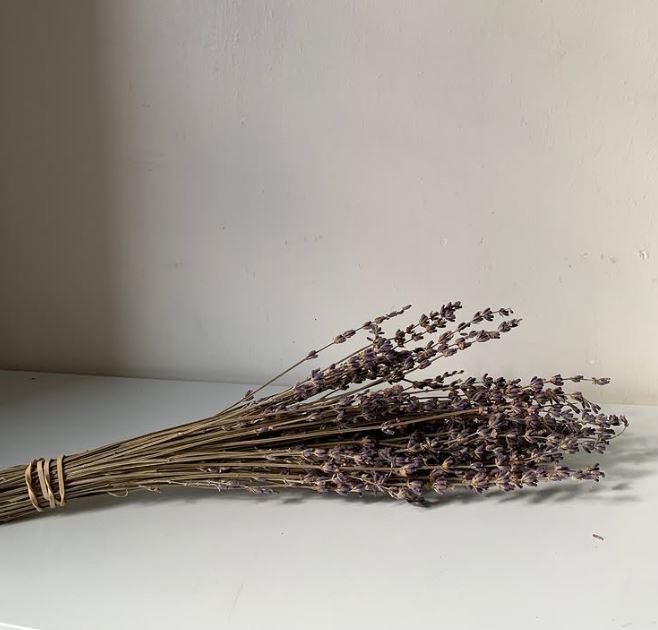
- Place small sachets of dried lavender in cabinets, pantries, drawers, and other problem areas. This provides a long-lasting, passive deterrent.
3. Plant Lavender as a Garden Barrier
- Planting lavender around your home’s perimeter, near patios, or alongside foundations creates a fragrant, living barrier. Ants are less likely to cross it to find entry points. This method is particularly effective against Argentine ants and other common garden varieties.
4. Lavender Vinegar Cleaning Solution
- Steep dried lavender in white vinegar for 1-2 weeks. Strain and use the infused vinegar to clean floors and countertops. This cleans away pheromone trails while leaving a repellent scent.
Limitations and Important Considerations
While lavender is an excellent repellent, it’s crucial to understand its limitations:
- Repellent, Not Eradicator: Lavender deters ants but typically doesn’t kill them or destroy the nest. For a large-scale infestation, you may need to combine it with a colony-killing method like borax bait.
- Application is Key: The scent needs to be potent and fresh. Reapplication is necessary, especially after ventilation or cleaning.
- Essential Oil Safety: Always dilute essential oils. They can be toxic to pets (especially cats) in high concentrations and may irritate skin. Use sachets or plants in areas of pet concern.
- Not All Species React Equally: While most common household ants (odorous house ants, pavement ants) are repelled, its efficacy can vary with species and the sheer pressure of a large colony seeking food and water.
The Verdict: Is Lavender the Ultimate Ant Solution?
Lavender is a powerful, natural, and pleasant-smelling tool for preventing ants and dealing with minor incursions. It is most effective as part of an Integrated Pest Management (IPM) strategy:
- Prevention: Use lavender plants and sachets to deter scouts.
- Sanitation: Keep your home clean of food debris and moisture that attract ants.
- Exclusion: Seal cracks and entry points with caulk.
- Disruption: Use lavender spray to wipe out any pheromone trails you see.
- Eradication (if needed): For serious problems, use a targeted bait placed away from lavender-treated areas to draw ants away from your home and kill the colony.
Conclusion: Harnessing Nature’s Fragrant Defender
So, do ants hate lavender? Absolutely. Their biological aversion to its strong aromatic compounds makes lavender one of the safest and most enjoyable natural ant repellents available. By incorporating lavender essential oil sprays, sachets, or garden plants into your home maintenance routine, you can create an effective, chemical-free first line of defense against these persistent pests.
Embrace the power of this purple-flowered herb. Not only will your home smell like a serene French countryside, but you’ll also enjoy an ant-free environment, proving that sometimes the best solutions come directly from nature’s own pharmacy.