
Fire Ants in Colorado: What You Need to Know

Are There Fire Ants in Colorado?
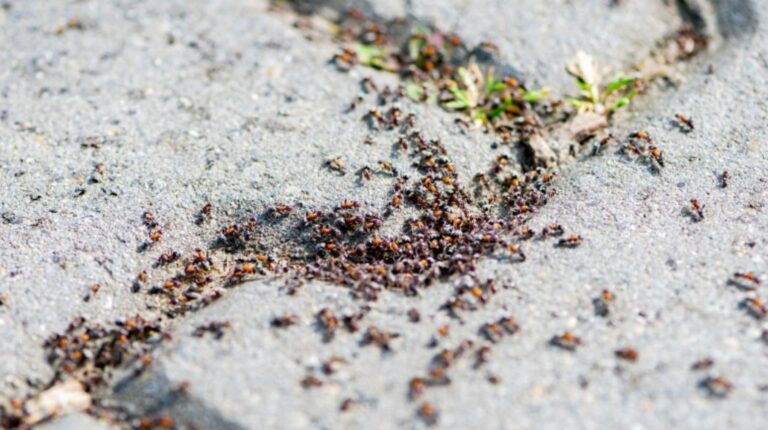
A common question among homeowners, gardeners, and outdoor enthusiasts in the Centennial State is: Are there fire ants in Colorado? The short answer is that Colorado is not currently known to have established populations of the invasive red imported fire ant (Solenopsis invicta). However, native species of ants, including some that can deliver a painful sting, are present and sometimes mistaken for true fire ants.
This guide provides a detailed, SEO-optimized overview of fire ants and their look-alikes in Colorado, helping you identify, understand, and manage stinging ants in your area.
Understanding the Threat: Imported vs. Native Species
The term “fire ant” most often refers to the red imported fire ant (RIFA), a notoriously aggressive, invasive species found primarily in the southeastern United States and parts of California. Its painful sting and large mound-building colonies cause significant ecological and agricultural damage.
Colorado’s climate, particularly its cold winters and low humidity, has so far prevented RIFA from becoming established. The Colorado Department of Agriculture maintains vigilant monitoring to prevent its introduction.
However, several native ant species in Colorado can sting and are frequently confused with imported fire ants.
Comparison of Stinging Ants in Colorado vs. Red Imported Fire Ants
| Feature | Red Imported Fire Ant (Not Established in CO) | Colorado Native Harvester Ants (e.g., Pogonomyrmex) | Velvet Ants (Actually a Wasp) |
|---|---|---|---|
| Scientific Name | Solenopsis invicta | Pogonomyrmex spp. | Mutillidae family |
| Status in CO | Not established. Report any suspected sighting. | Common native species. | Common native insect. |
| Appearance | Reddish-brown, small (1/8 to 1/4 inch), two-segmented pedicel. | Larger (up to 1/2 inch), often reddish-orange, big square head. | Fuzzy, bright orange/red & black females are wingless. |
| Mound | Large, fluffy soil mounds with no central entrance. | Clear central entrance, often surrounded by gravel or plant-free disc. | No mound. Solitary, found on ground. |
| Sting | Very painful, burning sensation. Can sting multiple times. | Extremely painful, rated 3+ on Schmidt Pain Index. Can sting repeatedly. | Excruciatingly painful, “cow killer” nickname. Females can sting. |
| Behavior | Highly aggressive, swarm and sting en masse. | Defensive of nest, less likely to swarm. | Solitary, not aggressive unless handled. |
| Habitat | Lawns, fields, pastures. | Dry, open areas, trails, grasslands. | Dry fields, grasslands. |
Common Stinging Ants Found in Colorado
1. Harvester Ants (Pogonomyrmex species)
These are the most likely culprits when Coloradans report “fire ant” stings. They are large, seed-harvesting ants that build conspicuous mounds in sunny, open areas. Their sting is powerfully painful and can cause localized swelling and lasting discomfort. They are ecologically important and generally avoid unless their nest is disturbed.
2. Velvet Ants (Family Mutillidae)
Despite the name, these are actually solitary, wingless wasps. The females are covered in bright, fuzzy hair and deliver one of the most painful stings of any insect in North America. They are often seen scurrying quickly across the ground in the summer.
3. Field Ants (Formica species)
Some larger Formica species can bite and then spray formic acid into the wound, causing a mild burning sensation. They are not typically aggressive.
What to Do If You’re Stung
- Do Not Disturb the Nest: Quickly and calmly move away from the area.
- Clean the Area: Wash with soap and water to prevent infection.
- Reduce Itching & Discomfort: Apply a cold compress, use hydrocortisone cream, or take an oral antihistamine.
- Avoid Scratching: This can break the skin and lead to bacterial infection.
- Monitor for Allergic Reaction: Seek immediate medical attention if you experience signs of a severe allergic reaction (anaphylaxis), such as difficulty breathing, swelling of the throat or tongue, dizziness, or widespread hives.
Prevention and Control in Colorado
Since true fire ants are not established, control focuses on native ants and general pest management.
- Seal Entry Points: Caulk cracks and crevices around your home’s foundation.
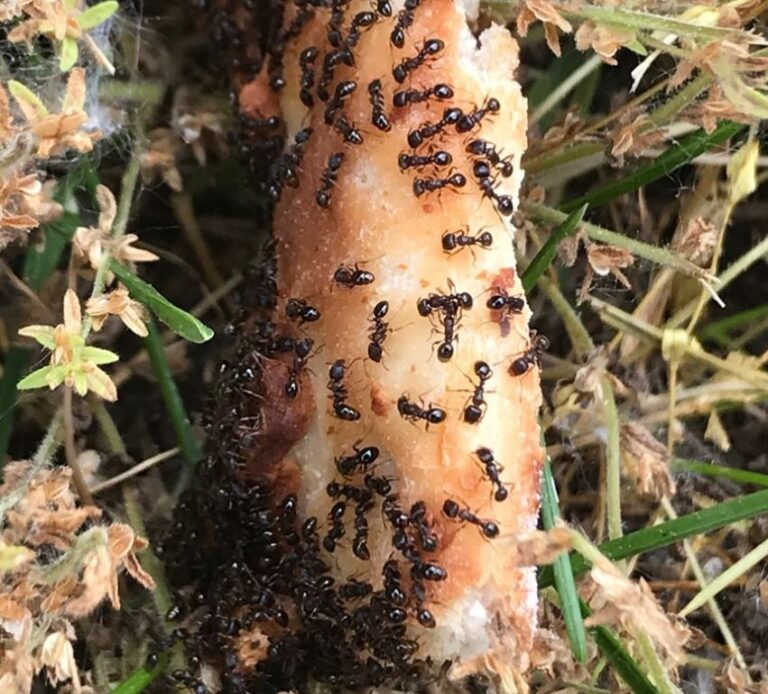
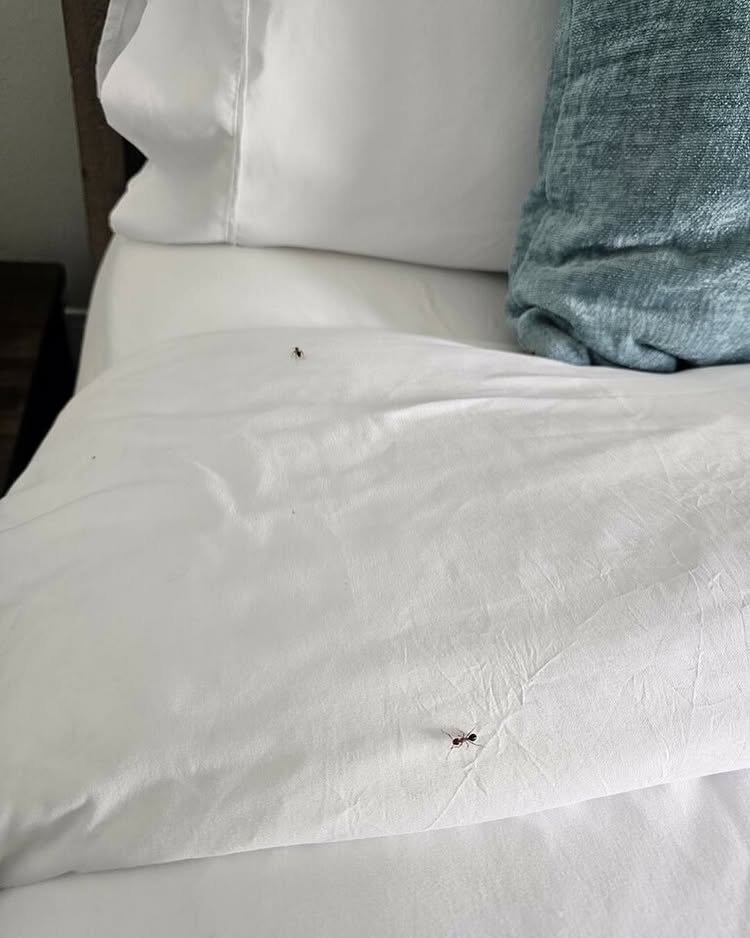
- Remove Attractants: Keep food sealed, clean up spills, and manage trash.
- Landscape Management: Keep grass trimmed, remove debris, and avoid excessive mulch near foundations.
- Professional Identification & Treatment: If you have a problematic stinging ant nest, contact a licensed Colorado pest control professional. They can accurately identify the species and use targeted, environmentally responsible methods. Do not attempt to treat harvester ant mounds with over-the-counter products—this often aggravates the colony and is ineffective.
Key Takeaways: Fire Ants in Colorado
| Question | Answer for Colorado Residents |
|---|---|
| Are red imported fire ants here? | No. No established populations exist. |
| Do we have ants that sting like fire ants? | Yes. Primarily native harvester ants and velvet ants (wingless wasps). |
| Should I report a fire ant sighting? | Yes. If you suspect red imported fire ants, contact the Colorado Department of Agriculture immediately. |
| Are harvester ants dangerous? | Their sting is very painful but rarely medically dangerous unless a person has a severe allergy. |
| What’s the best control method? | Accurate identification first. For native ants, tolerance or professional targeted control. |
Conclusion: Vigilance and Accurate Identification
While Colorado residents can breathe a sigh of relief regarding the invasive red imported fire ant, it is crucial to remain vigilant. The state’s ecosystem hosts native insects with powerful stings that require respect and understanding. Proper identification is the first step to safe and effective management.
If you believe you have discovered a true red imported fire ant colony in Colorado, do not attempt to control it yourself. Note the location, take a photo if safe, and report it to the Colorado Department of Agriculture. This helps protect Colorado’s agriculture, environment, and quality of life from this destructive invader.