
Do Ants Eat Grass? Understanding the Relationship Between Ants and Your Lawn

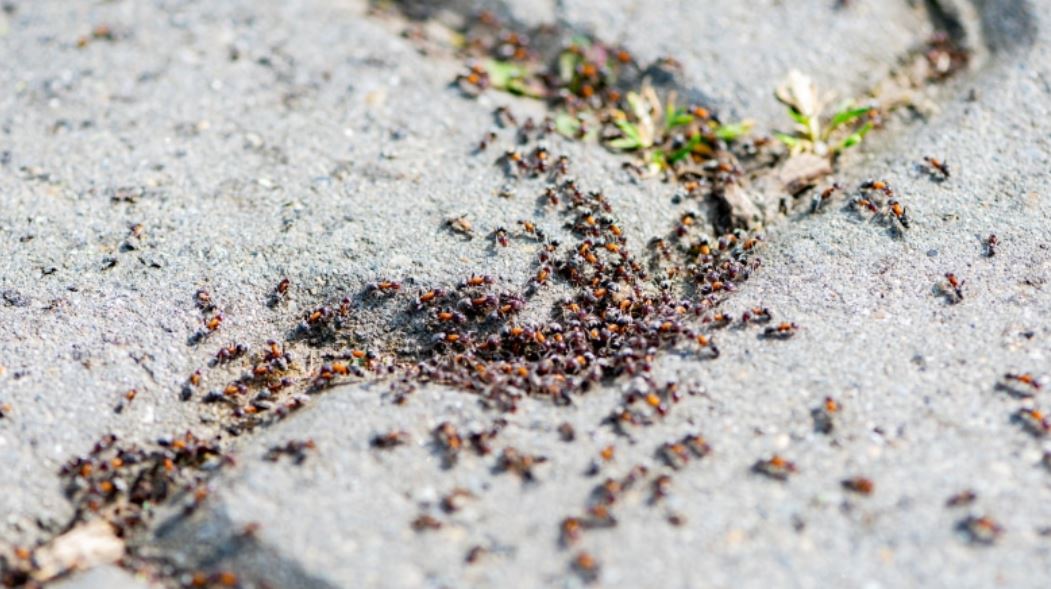
When homeowners notice ants scurrying across their lawns, a common question arises: “Are these insects eating my grass?” While ants are ubiquitous in yards and gardens worldwide, their relationship with grass is more complex than simple consumption. This article explores the dietary habits of ants, their impact on lawn health, and provides practical insights for managing ant populations in your yard.
The Short Answer: Do Ants Actually Eat Grass?
No, ants do not typically eat live, healthy grass blades. Ants are not herbivores that feed directly on grass plants. Instead, they are omnivorous scavengers with dietary preferences that vary by species. Their primary interests in your lawn are not the grass itself, but other resources the lawn environment provides.
What Do Ants Actually Eat? A Dietary Breakdown
Understanding ant feeding habits explains why they’re in your grass without consuming it:
| Food Type | Examples | How Ants Access It |
|---|---|---|
| Proteins | Other insects, insect eggs, dead animals | Hunting and scavenging in soil and thatch |
| Sugars | Honeydew from aphids, nectar, plant secretions | “Farming” aphids on plants, visiting flowers |
| Carbohydrates | Seeds, grains, human food waste | Foraging in lawns and gardens |
| Fats | Oils from seeds, animal remains | Scavenging behavior |
Why Ants Invade Lawns: The Real Reasons
If ants aren’t eating grass, why are they so prevalent in lawns?
- Nesting Opportunities: Lawns provide ideal nesting conditions with loose soil, moisture, and protection.
- Food Sources: Lawns harbor numerous insects, grubs, and organic matter that ants consume.
- Aphid Farming: Some ant species “farm” aphids that feed on grass roots, protecting them in exchange for honeydew.
- Protection: Grass provides cover from predators and environmental extremes.
Ant Species Commonly Found in Lawns
Different ant species have varying impacts on lawn health:
| Ant Species | Primary Diet | Impact on Lawn | Nesting Behavior |
|---|---|---|---|
| Carpenter Ants | Insects, honeydew, human food | Minimal direct damage, may indicate moisture problems | In moist, decaying wood |
| Fire Ants | Insects, seeds, oily foods | Create unsightly mounds, can sting | Build prominent soil mounds |
| Pavement Ants | Almost anything, including insects | Minor soil disruption | Under paving, along edges |
| Odorous House Ants | Sweets, insects, honeydew | Farm aphids on grass roots | Under mulch, in soil |
| Harvester Ants | Primarily seeds | Remove grass seeds, create bare patches | Clear vegetation around nests |
Indirect Effects: How Ants Can Damage Grass
While ants don’t eat grass directly, their activities can cause secondary damage:
- Soil Disruption: Extensive tunneling can dry out grass roots and create uneven surfaces.
- Mound Building: Some species create soil mounds that smother grass and interfere with mowing.
- Aphid Farming: Ants protecting aphids can lead to increased sap-sucking insects damaging grass.
- Increased Predators: Ant activity can attract anteaters, birds, and other animals that dig up lawns.
Benefits of Ants in Your Lawn
Despite potential issues, ants provide several ecological benefits:
- Aeration: Tunnels improve soil aeration and water penetration
- Pest Control: They consume many insect pests and their larvae
- Seed Dispersal: Some species help distribute seeds
- Nutrient Cycling: They break down organic matter and recycle nutrients
When to Be Concerned: Signs of Problematic Infestations
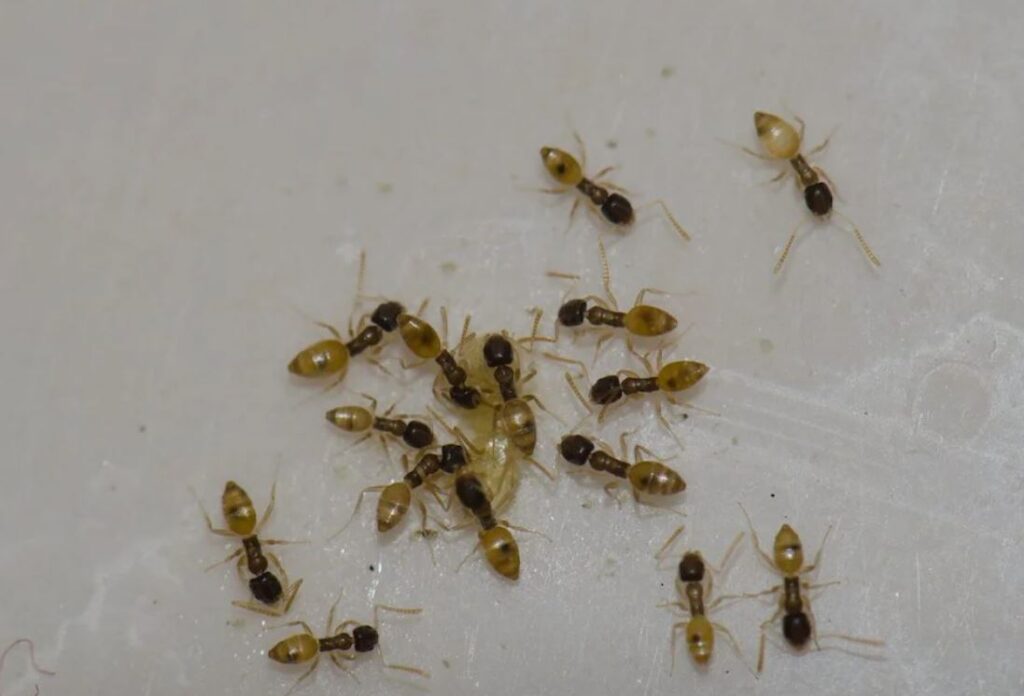
Moderate ant populations are normal, but these signs indicate a problem:
- Large, numerous mounds disrupting lawn uniformity
- Visible increase in aphid or scale insect populations
- Grass dying in circular patches around nest entrances
- Fire ant mounds posing safety hazards to people and pets
- Ants entering your home from the lawn area
Managing Ants in Lawns: Integrated Approaches
| Method | Best For | Pros | Cons |
|---|---|---|---|
| Cultural Control (Proper watering, mowing, aeration) | Prevention, mild infestations | Improves overall lawn health, non-toxic | Slow results, doesn’t eliminate existing colonies |
| Biological Control (Nematodes, beneficial fungi) | Environmentally sensitive areas | Targets specific pests, minimal non-target effects | Variable effectiveness, slower acting |
| Baits & Insect Growth Regulators | Moderate to severe infestations | Targets entire colony, reduced chemical use | Takes days to weeks, requires proper placement |
| Targeted Insecticides | Problem species like fire ants | Fast knockdown, effective for dangerous species | Can harm beneficial insects, temporary solution |
| Professional Pest Control | Widespread or difficult infestations | Expertise, comprehensive approach | Higher cost, may involve more chemicals |
Natural Remedies for Ant Management
For those preferring non-chemical approaches:
- Diatomaceous Earth: Sprinkle food-grade DE around nest entrances
- Boiling Water: Pour directly into fire ant mounds (use with caution)
- Vinegar Solutions: Disrupts trails but may affect grass pH
- Essential Oils: Peppermint, tea tree, or citrus oils can deter ants
- Beneficial Nematodes: Natural parasites that target ant larvae
Preventing Ant Lawns: Proactive Lawn Care Strategies
- Maintain Optimal Soil Health: Well-aerated, properly pH-balanced soil supports healthy grass that’s more resilient.
- Manage Thatch: Excessive thatch provides ideal nesting material—dethatch regularly.
- Proper Watering: Most ants prefer dry conditions—consistent, deep watering discourages them.
- Regular Monitoring: Check for early signs of infestation before colonies expand.
- Border Management: Create gravel or mulch barriers between lawns and foundations.
Conclusion: Coexisting with Lawn Ants
Ants play a complex role in lawn ecosystems. While they don’t eat grass directly, their activities can both benefit and occasionally harm your lawn. The key is balanced management—tolerating beneficial populations while controlling destructive species or excessive numbers. By understanding ant behavior and maintaining a healthy lawn through proper cultural practices, most homeowners can achieve an acceptable balance without resorting to drastic measures.
Remember that complete eradication of ants is neither practical nor desirable, as they contribute to soil health and pest control. Focus instead on creating conditions that favor your grass while making the environment less attractive to problem ant species. With observation and integrated management approaches, you can maintain both a beautiful lawn and a healthy, balanced ecosystem.