

Ants Win New Mexico: How Invasive Species Are Reshaping the Southwest

Introduction: The Silent Conquest
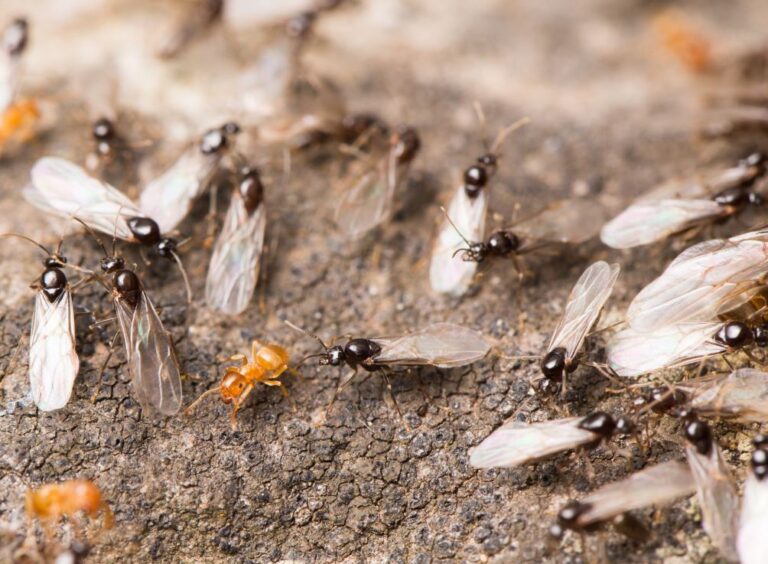
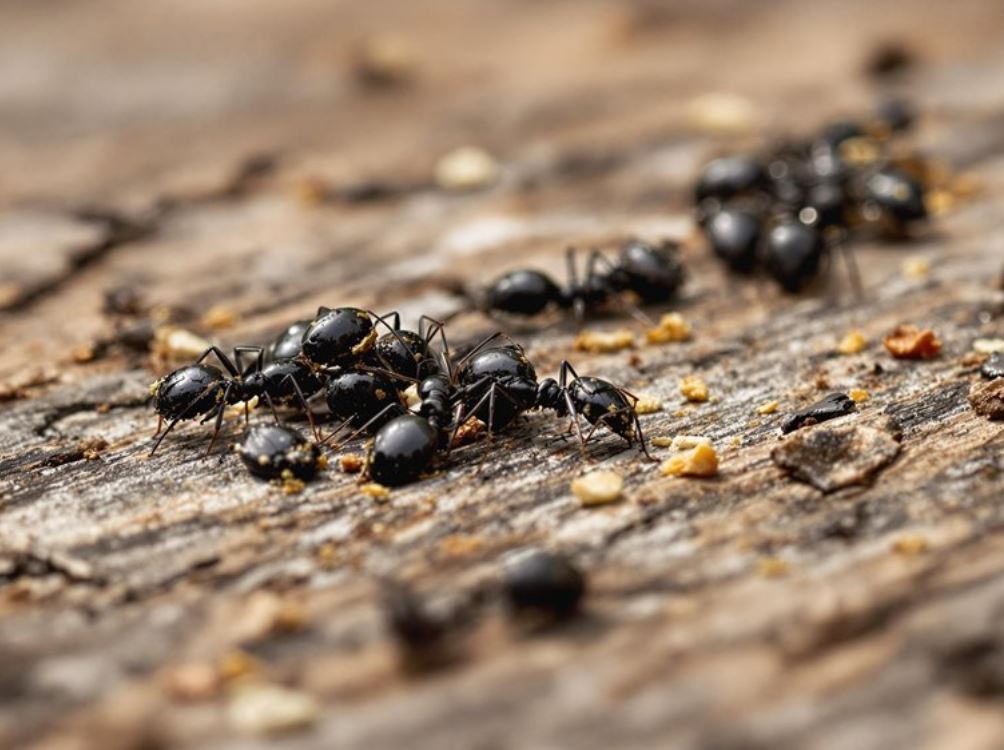
When you think of New Mexico, you might envision stunning deserts, vibrant cultures, and unique Southwestern ecosystems. But beneath the surface—literally—a quiet war is being waged, and the ants are winning. In recent decades, invasive ant species have dramatically altered New Mexico’s ecological balance, outcompeting native species, disrupting agriculture, and even impacting human infrastructure. This article explores how ants are “winning” New Mexico, the species driving this change, and what it means for the state’s future.
The Key Invaders: Meet the Ants Taking Over
New Mexico’s ant invasion is led by several non-native species, each with unique strategies for dominance.
Argentine Ants (Linepithema humile)
Originally from South America, these ants form enormous “supercolonies” that cooperate across vast distances, allowing them to overwhelm native ant populations. They are particularly prevalent in urban and agricultural areas.
Red Imported Fire Ants (Solenopsis invicta)
Perhaps the most notorious invader, fire ants are aggressive, deliver painful stings, and build massive mound nests that damage root systems and equipment. They have been steadily expanding their range into southern New Mexico.
Pavement Ants (Tetramorium immigrans)
Though less aggressive, these Eurasian ants thrive in urban environments, displacing native species in cities and towns.
Table 1: Comparison of Major Invasive Ant Species in New Mexico
| Species | Native Range | Key Strengths | Primary Impact in NM |
|---|---|---|---|
| Argentine Ant | South America | Massive cooperative supercolonies, high reproduction rate | Displaces native ants, protects agricultural pests |
| Red Imported Fire Ant | South America | Aggressive defense, painful sting, large mound nests | Harms wildlife, livestock, damages equipment |
| Pavement Ant | Eurasia | Extreme adaptability to urban environments | Outcompetes natives in urban areas |
| Native Harvester Ant (for contrast) | Southwestern US | Seed dispersal, aerates soil, co-evolved with locals | Declining due to competition and habitat loss |
Why Are Ants Winning? The Perfect Storm
Several factors have converged to make New Mexico particularly vulnerable to ant invasions.
1. Climate Change
Rising temperatures and altered precipitation patterns create more favorable conditions for invasive species, many of which are more drought-tolerant than native ants.
2. Human Activity
Urban development, agriculture, and the movement of goods (like soil, plants, and construction materials) provide unintentional transportation for ant colonies.
3. Ecological Disruption
Overgrazing, deforestation, and water diversion disturb native ecosystems, making them easier for invasive ants to establish a foothold.
4. Lack of Natural Predators
In their new environment, invasive ants face fewer predators and parasites that would normally control their populations.
The Impact: Ecological and Economic Consequences
The victory of invasive ants comes at a steep cost.
Ecological Damage
- Biodiversity Loss: Invasive ants often kill or outcompete native ants, which are crucial for seed dispersal (especially for native plants like wildflowers) and soil aeration.
- Disruption of Food Webs: Native reptiles, birds, and mammals that rely on native ants as a food source suffer. For example, the threatened Horned Lizard primarily eats native harvester ants and struggles to survive on invasive species.
- Honeydew Farming: Argentine ants protect sap-sucking insects (aphids, scale) from predators to harvest their honeydew, leading to plant diseases and damage.
Agricultural and Economic Costs
- Crop Damage: Fire ants can damage crops, irrigation systems, and farm equipment. Their mounds interfere with harvesting machinery.
- Livestock Issues: Fire ants sting and stress livestock, leading to lower weight gain and veterinary costs.
- Infrastructure: Ants infest electrical equipment, causing short circuits and failures—a significant issue in urban areas.
Table 2: Economic Impact of Invasive Ants in New Mexico (Estimated Annual Costs)
| Sector Affected | Primary Ant Species | Type of Cost | Estimated Annual Cost |
|---|---|---|---|
| Agriculture | Red Imported Fire Ant | Crop loss, equipment damage, livestock health | $5 – $10 million |
| Public Health / Control | Red Imported Fire Ant | Pest control services, medical treatments | $2 – $4 million |
| Urban Infrastructure | Argentine & Pavement Ants | Electrical damage, control in public spaces | $1 – $3 million |
| Biodiversity / Conservation | All Invasive Species | Restoration efforts, native species protection | $500K – $2 million |
Can New Mexico Fight Back? Current Strategies and Solutions
All is not lost. Integrated Pest Management (IPM) strategies are being employed to curb the spread.
- Public Education: Teaching residents and farmers to identify and report invasive ant colonies.
- Biological Control: Introducing or encouraging natural enemies (e.g., phorid flies that parasitize fire ants).
- Targeted Chemical Control: Using baits that ants carry back to the colony, eliminating the queen.
- Habitat Restoration: Supporting native plants and animals that create resilient ecosystems less prone to invasion.
The Future: A Coexistence or a Conquest?
The phrase “ants win New Mexico” reflects a current trend, not an inevitable final outcome. The future depends on the actions taken today. Without increased awareness and management, invasive ants will continue to expand their territory, leading to poorer soil health, less biodiversity, and higher economic costs.
However, with concerted effort from state agencies, researchers, and the public, New Mexico can work towards a balance—managing invasive populations while protecting and restoring the native ants that are vital to the Southwestern ecosystem.
Conclusion: A Call to Action
The silent war of the ants in New Mexico is a microcosm of global invasive species challenges. It underscores the interconnectedness of ecosystems and the profound impact of human activity. By understanding which ants are “winning” and why, New Mexicans can take steps to protect their unique environment. From properly disposing of food waste to supporting native habitat conservation, every action counts. The ants may have gained ground, but the final outcome is still to be determined.