
Fire Ants in Indiana: Identification, Risks, and Control

Introduction: Are Fire Ants in Indiana?
A common question among Indiana homeowners, gardeners, and outdoor enthusiasts is: “Do we have fire ants in Indiana?” The short answer is yes, but with important distinctions. While Indiana is not part of the primary infestation zone of the notorious Imported Red Fire Ant, the state does face periodic encounters with related species, and climate change is shifting the risk landscape. This comprehensive guide provides SEO-optimized, factual information to help you identify, understand, and manage fire ant threats in the Hoosier State.
Fire Ant Species Found in Indiana
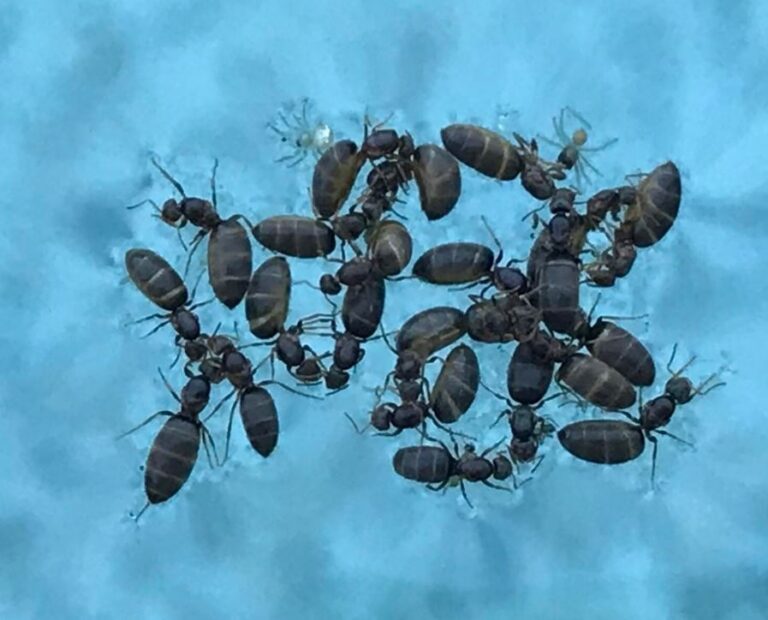
Not all ants that sting are “fire ants.” Here’s a breakdown of species present in Indiana:
| Common Name | Scientific Name | Status in Indiana | Aggression & Sting |
|---|---|---|---|
| Southern Fire Ant | Solenopsis xyloni | Native. Common. | Moderately aggressive. Painful sting. |
| European Fire Ant | Myrmica rubra | Invasive. Established in localized areas. | Very aggressive. Painful, persistent sting. |
| Imported Red Fire Ant (RIFA) | Solenopsis invicta | Not established. Rare, sporadic finds. | Highly aggressive. Potentially dangerous sting. |
| Thief Ant | Solenopsis molesta | Common. | Minimal aggression. Sting is minor. |
Key Takeaway: The European Fire Ant is the most significant “fire ant” problem in Indiana currently, forming supercolonies in moist, shaded areas. The dreaded Imported Red Fire Ant is occasionally transported via nursery stock or freight but cannot survive Indiana winters for now.
Identification: How to Recognize Fire Ants
Correct identification is crucial. Many Hoosiers mistake other ants or insect bites for fire ants.
Physical Characteristics
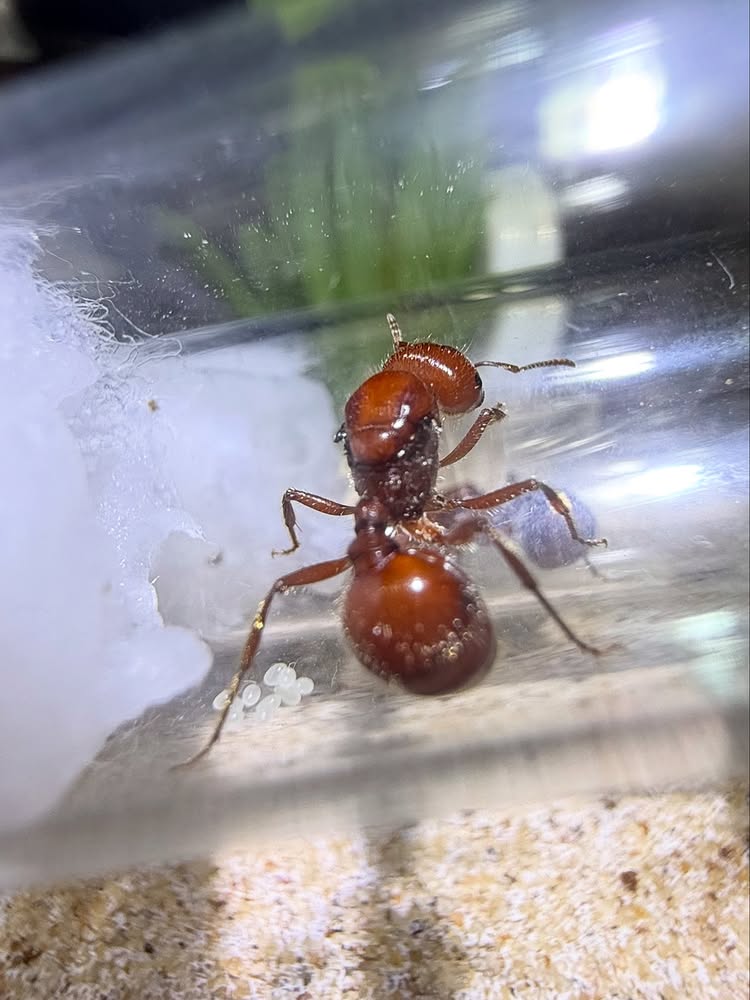
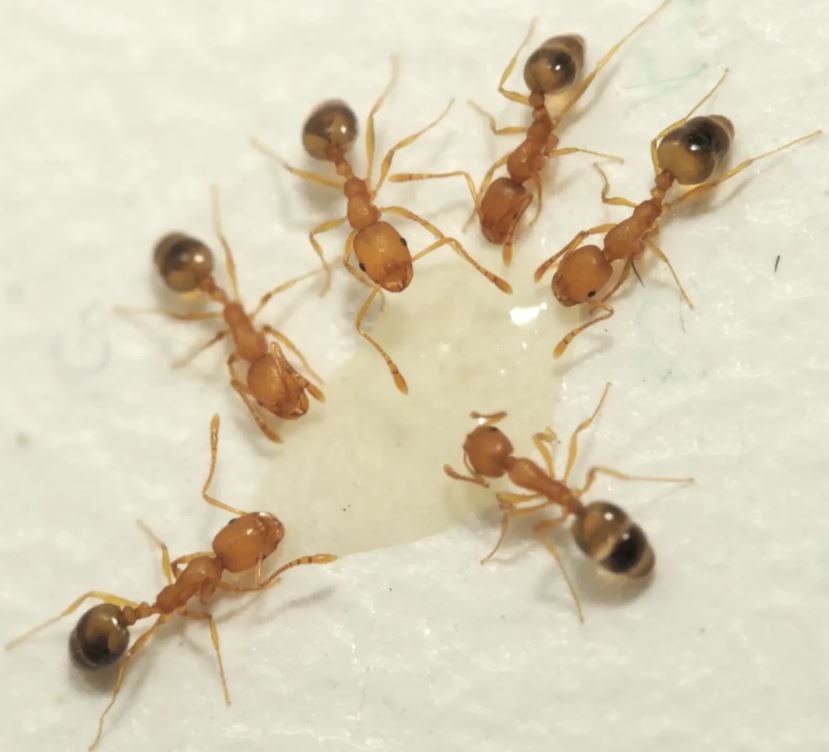
- Size & Color: Workers are small, 1/8 to 1/4 inch, and range from reddish-brown to dark brown.
- Body Structure: Like all ants, they have a distinct head, thorax, and abdomen, with a two-segmented “pedicel” (waist).
- Mound Appearance: European Fire Ants do not build large, visible soil mounds. Nests are often under logs, rocks, or in moist soil and leaf litter.
The Sting Test
Fire ants both bite and sting. They grasp with their jaws and inject venom via a rear stinger.
- Sensation: A sharp, sudden pain, like a burn or sting—hence the name “fire” ant.
- Aftermath: Stings typically form white, fluid-filled pustules within 24 hours.
Common Confusion: The Red Velvet Ant (actually a wingless wasp) has a severe sting but is solitary. Acrobat Ants or Field Ants may bite but lack a potent sting.
Habitat, Seasonality, and Geographic Spread in Indiana
Fire ants in Indiana are not uniformly distributed. Their presence is influenced by microclimates and human activity.
| Factor | Details for Indiana |
|---|---|
| Preferred Habitat | European Fire Ants: Moist environments, lawns, gardens, pastures, under mulch/pavers, near riverbanks. |
| Active Season | Primarily April through October. Most active on warm, sunny days following rain. |
| State Hotspots | European Fire Ants have reported significant nuisance populations in Northern Indiana (especially near the Great Lakes) and in scattered sites statewide. |
| Winter Survival | Colonies overwinter deep in soil. Severe Indiana winters limit but do not eradicate populations. |
Dangers and Health Risks
Fire ant stings are more than a nuisance.
- Local Reaction: Pain, itching, swelling, and pustules are common. Risk of secondary bacterial infection if scratched.
- Allergic Reaction: 1-2% of people can experience a severe, life-threatening allergic reaction (anaphylaxis). Symptoms include difficulty breathing, swelling of the throat, dizziness.
- Agricultural & Ecological Impact: Can disrupt native ecosystems, reduce ground-nesting wildlife, and become a pest in gardens and orchards.
Control and Eradication Methods
Do not attempt to control suspected Imported Red Fire Ants yourself. Contact the Indiana Department of Natural Resources (DNR) immediately.
For established European or Southern Fire Ant populations:
Comparison of Control Strategies
| Method | Pros | Cons | Best For |
|---|---|---|---|
| Boiling Water | Immediate, non-chemical. | Kills only if poured directly on queen. Can harm plants. | Small, isolated mounds. |
| Diatomaceous Earth | Organic, physical barrier. | Only effective when dry. Harmful to beneficial insects. | Perimeter treatment. |
| Insecticide Baits (Spinosaad, Hydramethylnon) | Carried to queen, destroys colony. | Slow-acting (2-4 weeks). Temperature sensitive. | Larger infestations, lawns. |
| Direct Mound Drenches (Liquid insecticides) | Fast knockdown. | Chemical exposure risk. Often misses queen. | Individual mound treatment. |
| Professional Pest Control | Expertise, guaranteed results. | Higher cost. | Widespread or persistent infestations. |
Integrated Pest Management (IPM) Recommendation:
- Confirm ID with your county Extension office.
- Use insecticide baits in late spring/early fall when ants are actively foraging.
- Spot-treat remaining mounds with labeled insecticides.
- Modify habitat: Reduce moisture, clear leaf litter, and seal entry points to structures.
What to Do If You’re Stung
- Wash the area with soap and cool water.
- Apply a cold compress to reduce swelling.
- Avoid breaking pustules to prevent infection.
- Use hydrocortisone cream or oral antihistamine for itching.
- Seek immediate medical attention if signs of severe allergic reaction occur.
Conclusion: Vigilance is Key for Indiana Residents
While Indiana is not under the widespread assault seen in the Gulf Coast states, fire ants are a present and potentially growing concern. The combination of native species and invasive European Fire Ants means Hoosiers should be able to identify and respond appropriately. Stay informed through the Purdue University Extension Entomology program and the Indiana Department of Natural Resources, the best sources for up-to-date information on fire ant spread in Indiana.