
Black Flying Ants That Sting: Identification, Risks, and Removal

Introduction: Understanding Black Flying Ants That Sting
When people search for “black flying ants that sting,” they are often describing an encounter with winged insects that are not true ants, but rather winged wasps or reproductive ants during swarming season. True flying ants rarely sting aggressively, but their lookalikes certainly can. This confusion can lead to misidentification and improper handling. This comprehensive guide will help you identify these insects, understand their behavior, and take appropriate action.
What Are These Black Flying Insects?
The term “black flying ants” typically refers to one of two insects:
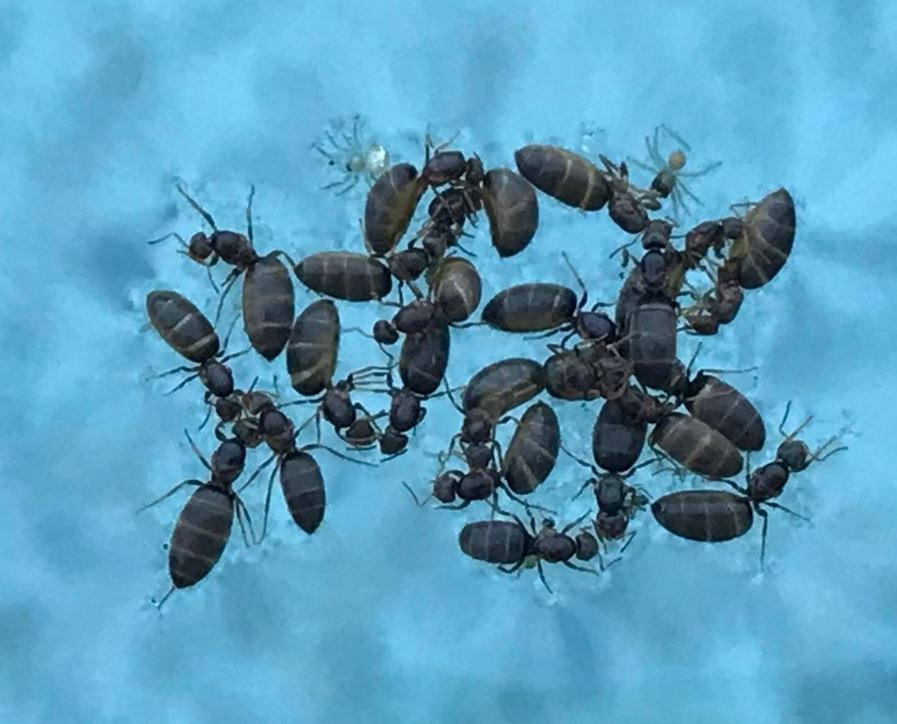
- Reproductive Carpenter Ants: These are actual ants with wings (alates) that swarm to mate and establish new colonies. They are generally not aggressive and males lack stingers entirely, but larger female queens can bite if handled.
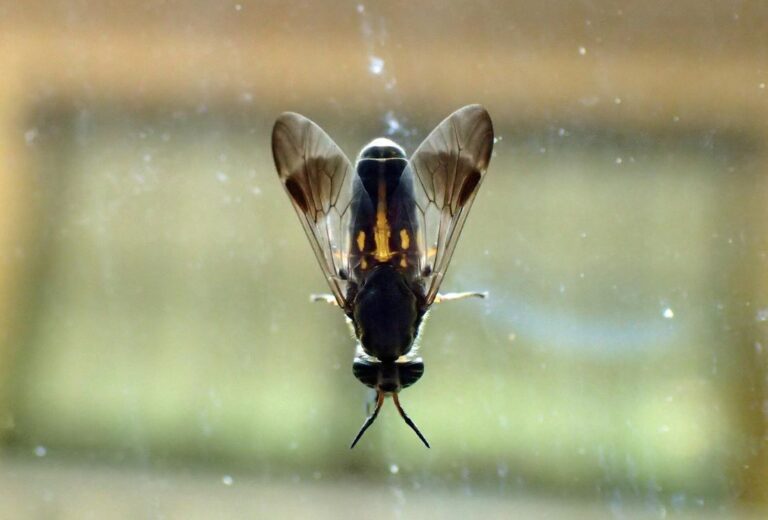
- Black Wasps or Flying Ant Mimics: Many wasp species, like the great black wasp or carpenter bees, are mistaken for ants due to their color and size. These insects can and do sting, often painfully.
The key difference lies in anatomy: ants have elbowed antennae and pinched waists, while wasps typically have smoother antennae and a more defined, narrow waist.
Comparative Identification Table
| Feature | Reproductive Carpenter Ant (Flying Ant) | Great Black Wasp (Common Mimic) | Termite Swarmer (Common Confusion) |
|---|---|---|---|
| Body Shape | Pinched waist (three distinct segments) | Thread-like waist (very narrow) | Rectangular body (no pinched waist) |
| Antennae | Elbowed (bent) | Straight and smooth | Straight and beaded |
| Wings | Two pair, front wings longer than hind | Two pair, equal size | Two pair, equal size, very long |
| Primary Color | Black, sometimes with reddish hues | Glossy black | Black with pale, translucent wings |
| Stinging Ability | Queens can bite; minor sting at best | Yes, females can sting | No |
| Behavior | Swarms in humid weather, not aggressive | Solitary, nests in ground, can be aggressive if provoked | Swarms to found new colonies, not aggressive |
Do Flying Ants Actually Sting?
This is the core of the confusion. Let’s clarify:
- True Flying Ants (Alates): The primary purpose of these winged reproductives is to mate and start a new colony. Males die after mating and have no stingers. Female queens can bite and, in some species, may administer a mild formic acid spray or a minor sting, but it is extremely rare and not a defensive behavior like a wasp’s. They are focused on finding a nesting site.
- What Stings You: If you are stung by a black, ant-like flying insect, it is almost certainly a wasp or bee mimic. For example, the female great black wasp is a solitary hunter that can deliver a painful sting if threatened, though it is generally non-aggressive.
Risks and Concerns: Stings and Property Damage
Even if the insect is a true flying ant, an indoor swarm signals a problem.
| Risk Type | Flying Ant (Carpenter Ant Swarm) | Black Wasp (or Mimic) |
|---|---|---|
| Health Risk | Low. Possible minor bite or formic acid irritation. | Moderate to High. Painful sting; risk of allergic reaction/anaphylaxis. |
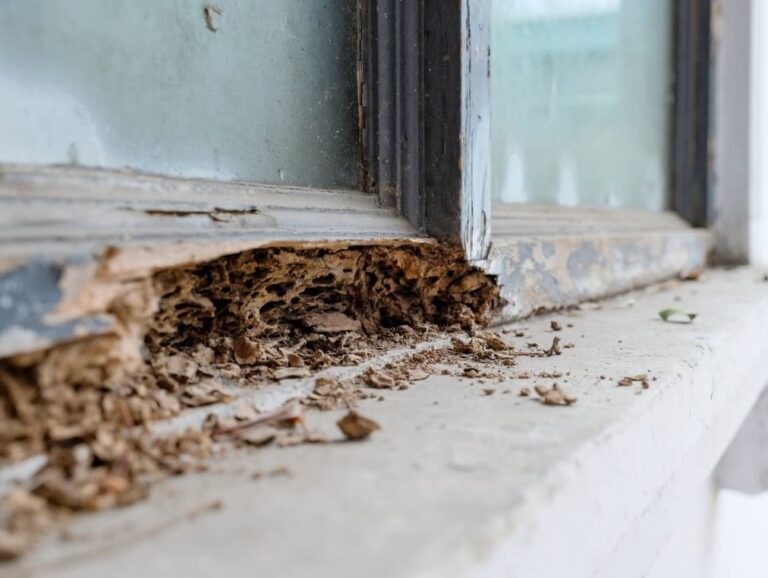
| Property Risk | High. Indicates a mature carpenter ant colony, which excavates wood to nest, causing structural damage. | Low to Moderate. Solitary ground nesters (like great black wasps) or wood-borers (like carpenter bees) can cause minor damage. |
| Nuisance Factor | High during swarms; large numbers are alarming. | Moderate. Usually solitary, but presence can be frightening. |
If stung and you experience difficulty breathing, swelling of the throat, or dizziness, seek emergency medical attention immediately, as these are signs of a severe allergic reaction.
How to Get Rid of Black Flying Insects That Sting
Your response should be based on proper identification.
1. For Flying Ant Swarms (Carpenter Ants):
- Locate the Nest: Follow worker ants. The parent nest is often in moist, decaying wood (stumps, logs), but the satellite nest indoors is in dry wood (often near a moisture source).
- Destroy the Colony: Swatting swarmers is temporary. Use bait stations or non-repellent insecticides. The colony must be eliminated to stop damage.
- Call a Professional: For large or persistent infestations, professional pest control is recommended, as they can locate the main nest and provide targeted treatments.
2. For Solitary Wasps or Bees:
- Practice Tolerance: Many are beneficial pollinators and pest controllers. If the nest is out of the way, leave it alone.
- Physical Removal: At night, when the insect is less active, you can carefully cover and remove a ground nest.
- Use Insecticide: For aggressive species or dangerous locations, a wasp-specific aerosol spray can be used from a safe distance.
- Seal Entry Points: Caulk cracks and crevices in your home’s exterior to prevent entry.
Prevention Checklist Table
| Area of Focus | Action Items |
|---|---|
| Moisture Control | Fix leaky pipes, roofs, and gutters. Ensure proper drainage around foundation. Use dehumidifiers in damp basements/crawlspaces. |
| Wood Maintenance | Replace water-damaged or rotting wood. Store firewood away from the house and elevated off the ground. |
| Seal Entry Points | Caulk cracks around windows, doors, and utility lines. Install fine mesh screens over vents and chimneys. |
| Yard Management | Trim tree branches and shrubs away from the house. Remove old stumps, logs, and dense vegetation near the foundation. |
| Sanitation | Keep food sealed and clean up crumbs/spills promptly. Manage outdoor trash bins with tight-fitting lids. |
Conclusion: Knowledge is Your Best Defense
Encountering a swarm of black flying insects can be alarming, especially if you fear being stung. Remember, true flying ants are a property threat, not a major health threat. The painful sting likely comes from a wasp mimic. Correct identification using the guides above is the first step to a safe and effective solution.
For large-scale infestations, potential structural damage, or if you are allergic to stings, always consult a licensed pest control professional. They can provide accurate identification, eliminate the colony, and help safeguard your home from future invasions.