
Small Black Ants in Florida: Identification, Risks, and Control Guide

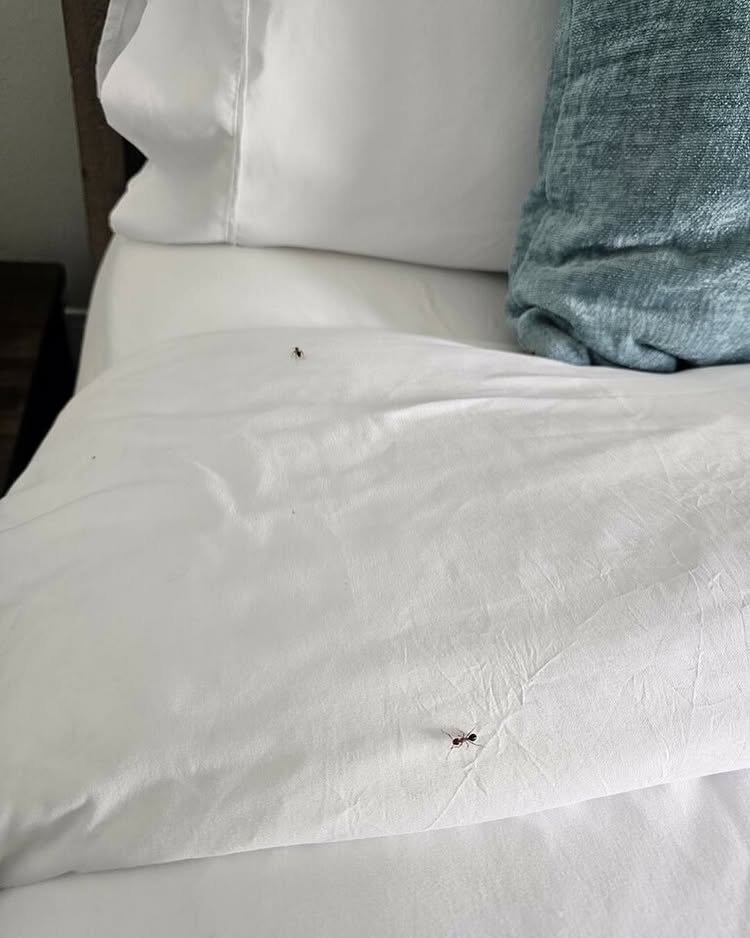
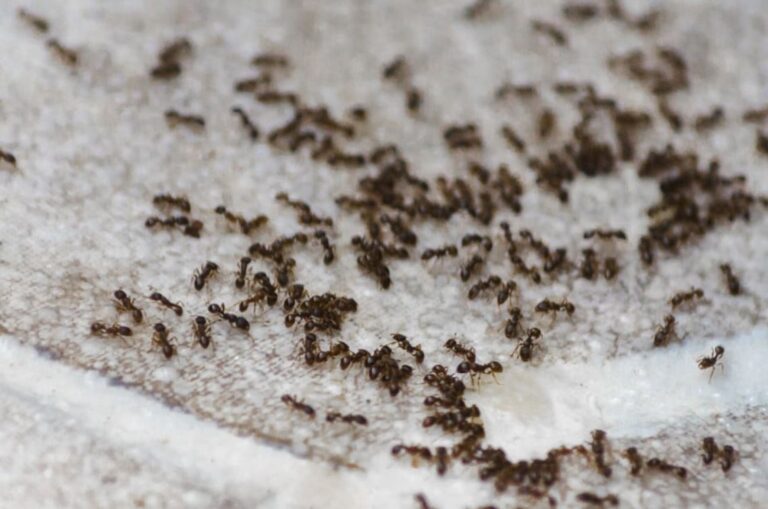
Florida’s warm, humid climate creates an ideal habitat for a variety of ant species, but few are as ubiquitous as the small black ant. Found in homes, gardens, and urban areas statewide, these tiny insects are more than just a nuisance—they can contaminate food, damage property, and indicate larger ecological shifts. For Florida residents, understanding these common ants is the first step in effective management and coexistence.
Dr. Eleanor Reed, an entomologist with the University of Florida IFAS Extension, notes: “What most Floridians call ‘small black ants’ are often one of several species. Accurate identification is crucial, as their nesting habits, food preferences, and control methods can differ significantly.”
Identifying Small Black Ants in Florida: Key Species
Not all small black ants are the same. Here are the most common species found in the Sunshine State:
- Little Black Ant (Monomorium minimum)
- Size: 1/16 inch (very small).
- Key Trait: Uniformly dark brown to black; found in large colonies.
- Common Habitat: Nests in soil, under stones, in rotting wood, and within wall voids.
- Ghost Ant (Tapinoma melanocephalum)
- Size: 1/16 inch.
- Key Trait: Distinctive dark head and pale, almost translucent legs and abdomen.
- Common Habitat: Prefers indoors; nests in wall voids, behind baseboards, and in potted plants.
- Acrobat Ant (Crematogaster spp.)
- Size: 1/8 inch.
- Key Trait: Heart-shaped abdomen they raise when disturbed.
- Common Habitat: Nests in moist wood, often where decay has started.
- Crazy Ant (Paratrechina longicornis)
- Size: 1/8 inch.
- Key Trait: Long legs and antennae; moves in erratic, “crazy” patterns.
- Common Habitat: Loves electrical equipment; nests under mulch, logs, and debris.
Comparison Table: Common Small Black Ants in Florida
| Feature | Little Black Ant | Ghost Ant | Acrobat Ant | Crazy Ant |
|---|---|---|---|---|
| Color | Shiny black | Dark head, pale abdomen & legs | Dark brown/black | Dark brown/black |
| Size | 1/16″ | 1/16″ | 1/8″ | 1/8″ |
| Key Identifier | Tiny, uniform color | Bicolored, “ghostly” appearance | Heart-shaped abdomen raised when threatened | Erratic movement, long limbs |
| Preferred Diet | Sweets, proteins, insects | Sweets (honeydew, sugary foods) | Sweets and insects | Omnivorous (sweets, proteins, insects) |
| Nesting Site | Soil, wood, masonry cracks | Indoors: wall voids, potted plants | Moist, decaying wood | Under objects, in mulch, electrical boxes |
| Potential for Damage | Low (nuisance) | Low (nuisance, contamination) | Moderate (can nest in wet wood) | High (electrical damage, huge colonies) |
Why Are They in My Florida Home? (The Attraction Factors)
Florida’s environment often pushes these ants indoors, especially during the rainy summer months or following droughts. Primary attractants include:
- Moisture: Leaky pipes, poor drainage, and high humidity provide essential water sources.
- Food: Unsealed pantry items, pet food, and kitchen spills offer easy meals.
- Shelter: Cracks in foundations, gaps around windows, and dense vegetation touching the house provide entry points and nesting sites.
Risks and Nuisances: More Than Just a Trail
While most small black ants do not pose direct health risks like stinging or structural damage (with exceptions like Acrobat and Crazy ants), they are significant contaminators of food. They can also facilitate the spread of aphids and scale insects in gardens by protecting them for their honeydew.
Integrated Pest Management (IPM) for Florida Homes
Effective control requires a strategy beyond just spraying visible ants.
1. Prevention is Key:
- Sanitation: Wipe up spills immediately, store food in airtight containers, and manage trash.
- Exclusion: Seal cracks and crevices with caulk, install weather stripping, and trim vegetation away from the house.
- Moisture Control: Fix leaks, ensure downspouts direct water away from the foundation, and improve ventilation in crawl spaces.
2. Targeted Treatment:
- Use Bait Stations: Ant baits are highly effective. Worker ants take the bait back to the colony, eliminating the queen. Use sweet baits for Ghost and Little Black ants, protein-based baits for Crazy ants.
- Non-Toxic Deterrents: Diatomaceous earth, vinegar washes, and essential oils like peppermint can provide temporary relief at entry points.
3. Know When to Call a Professional:
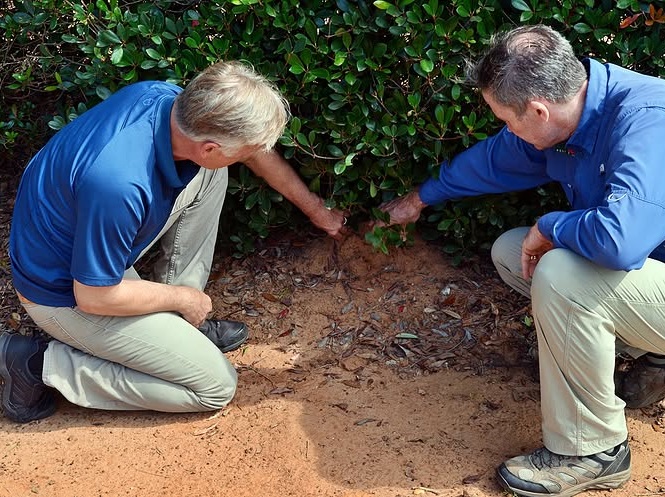
For large infestations, recurring problems, or if you suspect destructive species like Acrobat Ants, contact a licensed Florida pest control operator. They have access to advanced tools and can locate hidden nests.
Carlos Mendez, a licensed pest control operator in Tampa, advises: “The ant you see is just the tip of the iceberg. DIY sprays often just kill the scouts, causing the colony to splinter and creating multiple new problems. Professional identification and targeted baiting systems solve the problem at its source.”
Conclusion: Living Ant-Free in Florida
Small black ants are a perennial part of Florida’s ecosystem, but they don’t have to be a permanent fixture in your home. By identifying the specific species, implementing rigorous prevention habits, and using targeted control methods like baits, you can protect your property from these persistent invaders. Stay vigilant, address issues early, and enjoy a more comfortable, ant-free home in the Sunshine State.