
Do Ants Hibernate in Winter? The Truth About Ant Survival

Introduction
As temperatures drop and winter approaches, many animals enter hibernation to survive the cold. But what about ants? Do these tiny, industrious insects hibernate, or do they have other strategies for weathering the winter months? This is a common question among homeowners, gardeners, and nature enthusiasts. In this comprehensive guide, we’ll explore the fascinating winter survival tactics of ants, dispel common myths, and provide a clear, science-backed answer that will help you understand these remarkable insects better.
What is Hibernation?
Before we delve into ant behavior, let’s clarify what hibernation means. True hibernation is a state of deep dormancy in which an animal’s metabolic rate, heart rate, and body temperature drop significantly to conserve energy during periods of scarce food and cold temperatures. Bears, bats, and ground squirrels are classic examples. Insects, however, enter a different state called diapause—a period of suspended development and reduced activity triggered by environmental cues like temperature and daylight.
Do Ants Hibernate? The Short Answer
No, ants do not hibernate in the traditional mammalian sense. Instead, they enter a state of reduced activity and dormancy known as diapause, often within the depths of their nests. Their survival strategy is more about seeking refuge and slowing down rather than true hibernation.
How Ants Survive Winter: A Colony-Winter Strategy
Ant colonies are superorganisms, and their winter survival is a collective effort. Here’s a breakdown of their process:
- Preparing for Winter: In late fall, ants sense the changing climate. Worker ants forage intensely to build up food stores. The colony also reduces brood (egg, larva, pupa) production.
- Seeking Deep Shelter: As soil temperatures drop, ants move deeper into their nests, often below the frost line where temperatures remain stable (usually 1-2 feet or more underground).
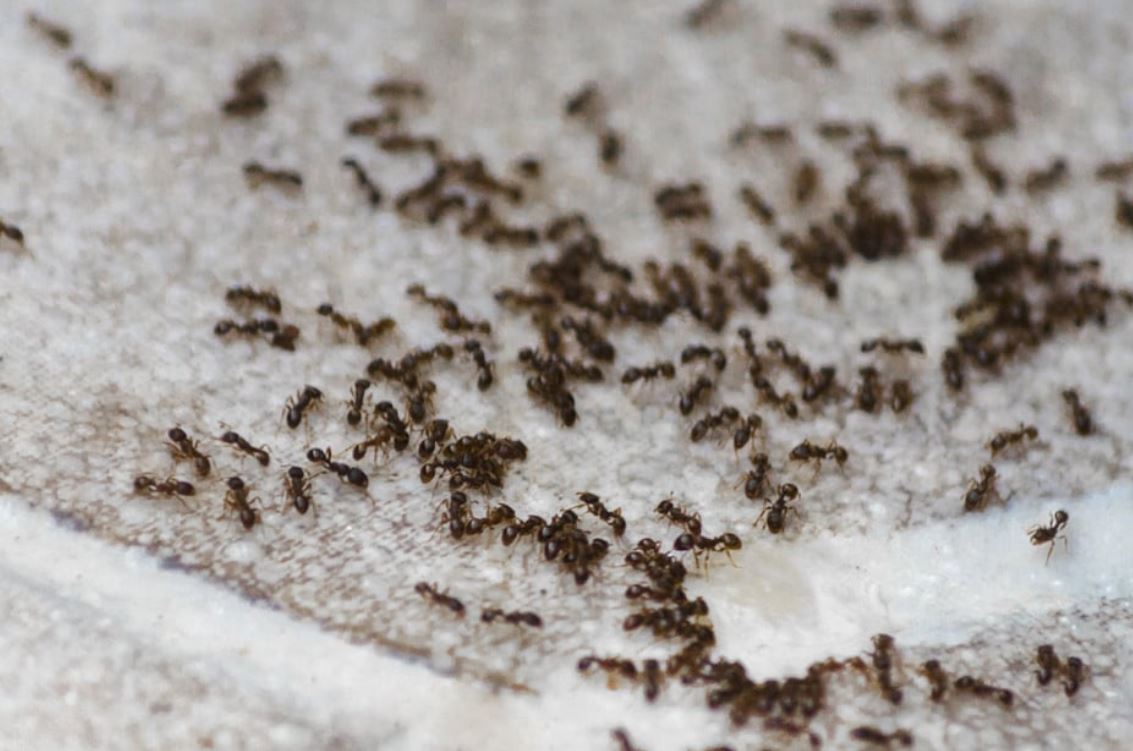
- Entering Diapause: In their deep chambers, ants cluster together. Their metabolism slows, and they become largely inactive. They live off their stored body fats and gathered food reserves.
- The Role of the Queen: The queen’s fertility drops, and she stops laying eggs, conserving energy for the colony’s core survival.
- Reawakening in Spring: When soil warms in spring, ants become active again. The queen resumes laying eggs, and workers venture out to forage.
Factors Influencing Ant Winter Behavior
Not all ants experience winter the same way. Their strategy depends on:
- Species: Carpenter ants and pavement ants have different tolerances.
- Climate: Arctic species have extreme adaptations compared to temperate ones.
- Nest Location: Soil nests, under rocks, or within wood offer different insulation.
- Food Availability: Colonies with ample reserves fare better.
Comparison Table: Hibernation vs. Ant Winter Dormancy
| Feature | True Hibernation (Mammals) | Ant Winter Dormancy (Diapause) |
|---|---|---|
| State | Deep, continuous sleep | Light dormancy; can be active on warm days |
| Metabolism | Drastically reduced | Slowed, but not as extreme |
| Body Temperature | Drops to near ambient | Follows ambient temperature (they are cold-blooded) |
| Arousal | Difficult and slow | Relatively quick with temperature rise |
| Primary Goal | Conserve energy during food scarcity | Avoid freezing, survive until spring |
| Typical Examples | Bears, groundhogs, bats | Almost all ant species in temperate zones |
Common Winter Ant Species and Their Behaviors
| Ant Species | Typical Nest Location | Winter Behavior | Note for Homeowners |
|---|---|---|---|
| Carpenter Ants | Moist, decaying wood (often in structures) | Cluster in wall voids, attics, or deep in tree nests. Can become active indoors during warm spells. | May cause indoor sightings in winter, indicating a likely indoor nest. |
| Pavement Ants | Under sidewalks, driveways, foundations | Move deep below the frost line under pavements. | Rarely seen in winter unless disturbed. |
| Odorous House Ants | In soil, under debris, within wall insulation | Seek deep refuge in soil or migrate into walls for warmth. | A common indoor winter pest seeking warmth and food. |
| Argentine Ants | Shallow soil, under boards, in mulch | In colder areas, they seek deep shelter; in warmer climates, may remain somewhat active. | Known for forming massive “supercolonies.” |
Can You See Ants in Winter?
Yes, but it’s situational:
- Outdoors: Very unlikely, unless on an unusually warm day.
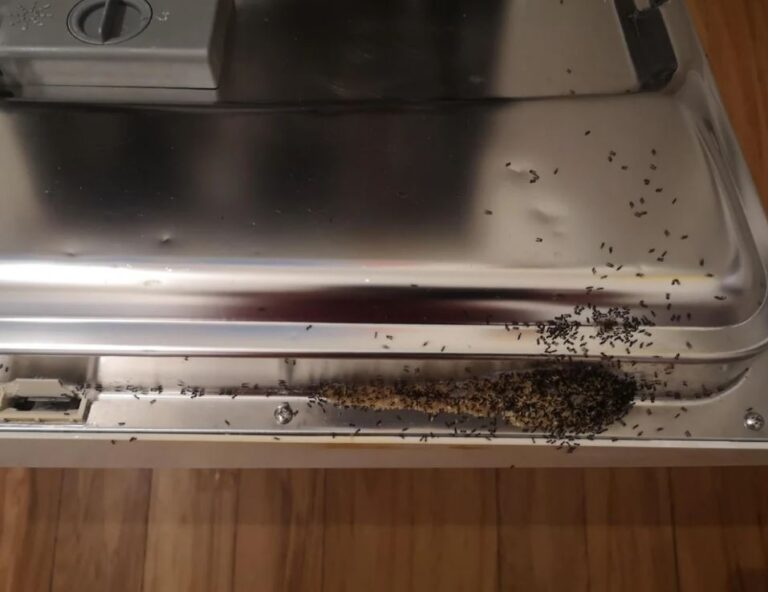
- Indoors: This is a key sign of an indoor infestation. If you see ants in your home during winter, it means a colony has nested within your structure (walls, under floors, in insulation). They are not coming from outside; they are already inside and may become active due to your home’s consistent warmth.
Preventing Winter Ant Invasions
To avoid finding active ants in your house during the cold months:
- Seal Entry Points: Caulk cracks in foundations, around windows, and utility pipes.
- Eliminate Moisture: Fix leaks, as ants (especially carpenter ants) seek damp wood.
- Store Food Securely: Keep pantry items in sealed containers and clean up spills.
- Manage Yard Debris: Keep firewood, mulch, and leaf litter away from your home’s foundation.
- Consider Pre-Winter Pest Control: A fall inspection and barrier treatment by a professional can prevent indoor nesting.
Conclusion
So, do ants hibernate? While they don’t hibernate, ants are masters of winter survival through dormancy and colony cohesion. They strategically retreat to the depths of their nests, slow down their biology, and wait for spring’s return. Understanding this behavior not only satisfies curiosity but also helps explain why seeing ants in your home during winter is a red flag for an indoor nest. By appreciating their complex survival tactics and taking proactive prevention steps, you can coexist with these incredible insects while protecting your home from unwanted invasions.