
Carpenter Ants vs Fire Ants: Understanding the Key Differences

Two of the most common and troublesome ant species encountered by homeowners and outdoor enthusiasts are carpenter ants and fire ants. While both can become significant nuisances, they pose very different threats and require distinct management strategies. This comprehensive guide will help you identify, understand, and effectively deal with these two ant species, ensuring you can protect your property and family.
What Are Carpenter Ants?
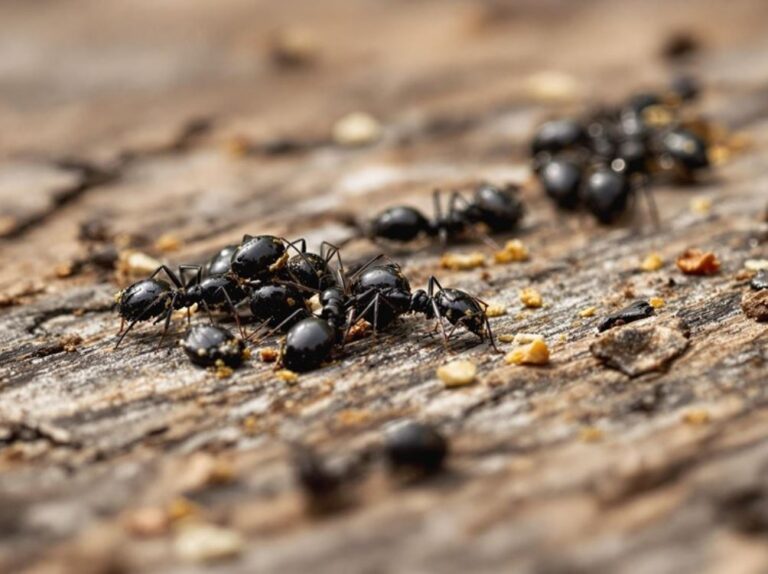
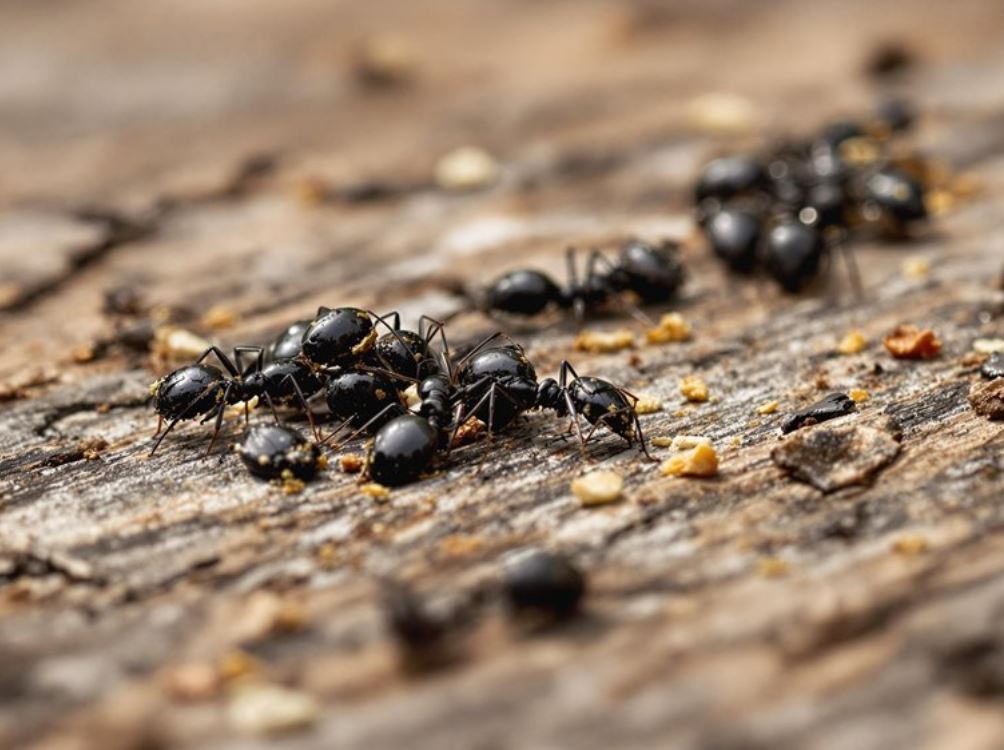
Carpenter ants (Camponotus spp.) are large, primarily black ants known for their habit of excavating wood to build their nests. Unlike termites, they do not consume wood but remove it to create smooth, clean galleries for their colonies. They are among the largest ant species, with workers ranging from ¼ to ½ inch in length. Carpenter ants are typically nocturnal and are often seen foraging for food at night.
What Are Fire Ants?
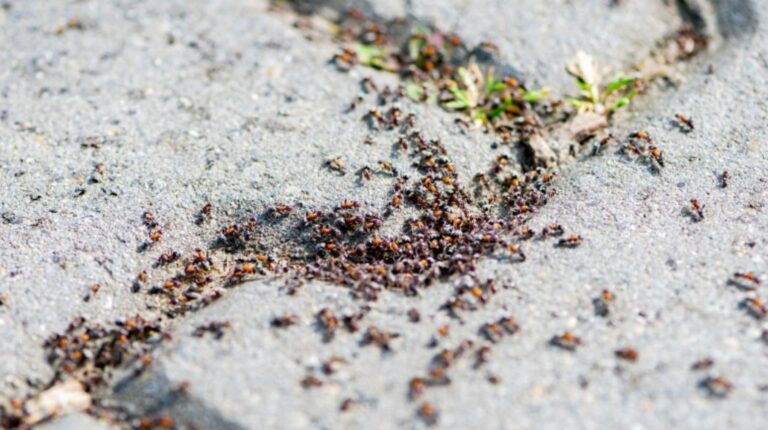
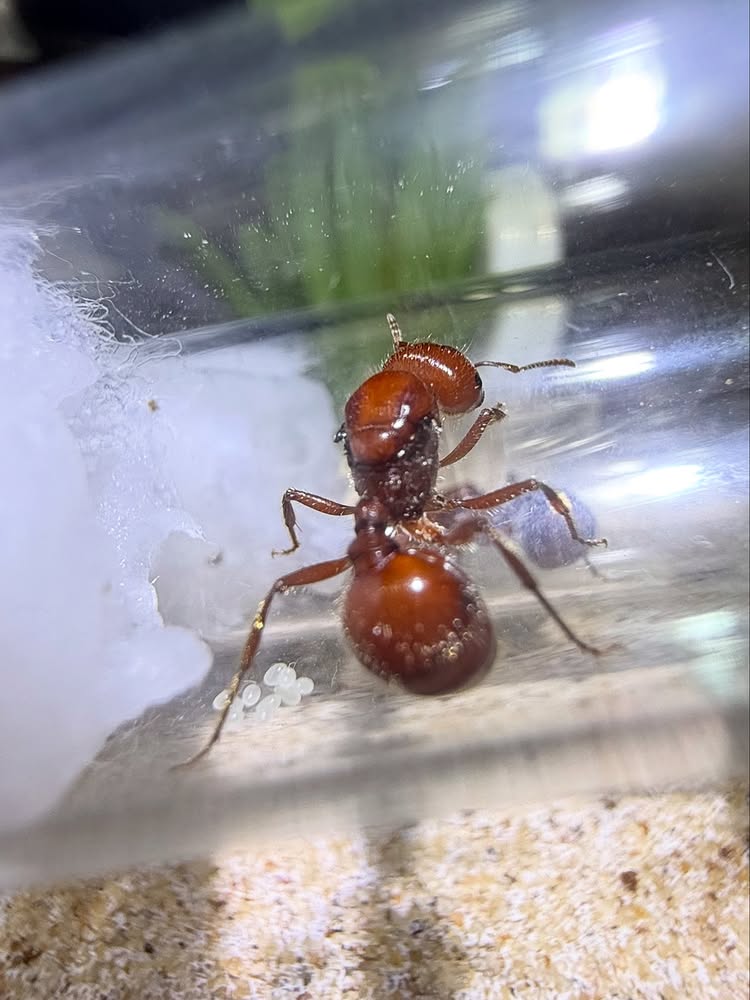
Fire ants (Solenopsis invicta), most notably the red imported fire ant (RIFA), are smaller, reddish-brown to black ants infamous for their aggressive behavior and painful sting. They build large, visible soil mounds in open areas and can deliver multiple stings when their nest is disturbed. Fire ants are highly territorial and can dominate ecosystems, outcompeting native ant species.
Key Differences: At a Glance
| Feature | Carpenter Ants | Fire Ants |
|---|---|---|
| Primary Color | Black, sometimes with reddish-brown hues | Reddish-brown to reddish-black |
| Size | Large (¼ to ½ inch workers) | Smaller (⅛ to ¼ inch workers) |
| Nest Location | Inside moist, decaying, or sound wood (hollow trees, stumps, structural lumber) | In soil, creating dome-shaped mounds in open, sunny areas |
| Nest Appearance | No visible soil mound; frass (sawdust-like material) near nest openings | Visible, loose soil mounds without a central entrance hole |
| Diet | Primarily insects, honeydew from aphids, sweets, proteins | Omnivorous: insects, seeds, grease, sweets |
| Behavior | Forage alone or in small trails, mostly nocturnal | Aggressive, swarm when disturbed, active day and night |
| Primary Threat | Structural damage to wood in buildings | Painful, venomous stings; can harm pets and people |
| Sting/Bite | Can bite and spray formic acid, but not typically aggressive | Venomous sting causing burning sensation, pustules, possible allergic reactions |
In-Depth Comparison
Physical Identification
Carpenter Ants:
- Polymorphic workers (different sizes).
- Single node (pedicel) between thorax and abdomen.
- Heart-shaped head with large mandibles.
- Smooth, curved thorax when viewed from the side.
Fire Ants:
- Workers are uniform in size.
- Two nodes (pedicels) between thorax and abdomen.
- 10-segmented antennae with a 2-segmented club.
- A sting present at the tip of the abdomen (visible under magnification).
Habitat and Nesting
Carpenter Ants are “hollowers.” They seek out wood softened by moisture, fungus, or decay. Indoors, they are often found in wall voids, under insulation, in roof eaves, and around window frames. A parent colony (containing the queen) may be outdoors in a stump, while satellite colonies (with workers and brood) can occupy parts of a structure.
Fire Ants are master earth-movers. Their mounds can reach over 18 inches in height and house hundreds of thousands of ants. They prefer open, sunny areas like lawns, pastures, and parks. The mounds have no central opening; ants enter and exit through underground tunnels.
Impact and Damage
| Impact Type | Carpenter Ants | Fire Ants |
|---|---|---|
| Property Damage | Significant structural damage over time by hollowing out support beams, window frames, etc. | Minor; mounds can damage lawn equipment and disfigure landscapes. |
| Health Risk | Low risk. Bites are rare and non-venomous. | High risk. Stings are painful, cause white pustules, and can trigger severe allergic reactions (anaphylaxis). |
| Ecological Impact | Beneficial decomposers in forests by breaking down dead wood. | Invasive pests that reduce biodiversity, attack ground-nesting animals, and damage crops. |
Control and Prevention Strategies
For Carpenter Ants:
- Moisture Control: Fix leaky roofs, pipes, and ensure proper drainage. This is the single most important step.
- Remove Attractants: Store firewood away from the house, trim tree branches touching the structure, and seal cracks.
- Locate the Nest: Follow foraging trails at night. Look for frass (sawdust mixed with insect parts).
- Professional Treatment: Often requires insecticide dusts or baits applied directly into nest galleries. DIY can be difficult if the main nest is not found.
For Fire Ants:
- Mound Treatment: Use fast-acting contact insecticides (dusts or liquids) for individual mound elimination.
- Area-Wide Baiting: Use slow-acting insecticide baits. Workers carry the bait to the queen, eliminating the colony over several weeks. Most effective for large infestations.
- Long-Term Prevention: Maintain a healthy, dense lawn. Apply broadcast insect growth regulator (IGR) granules in spring and fall to prevent colony establishment.
- Caution: Never disturb a mound. Wear protective clothing when treating.
When to Call a Professional Pest Control Service
Consider professional help if:
- You have a persistent carpenter ant infestation inside your home, indicating a likely indoor nest.
- You see large numbers of winged “swarmer” ants indoors (a sign of an established colony).
- Fire ant mounds are numerous in your yard, especially near play areas or if family members have allergies.
- DIY methods have failed to control the population after several weeks.
Professionals have the tools, expertise, and access to more potent products to safely and effectively eradicate these pests.
Conclusion
Understanding the fundamental differences between carpenter ants and fire ants is crucial for proper identification and effective control. Carpenter ants are silent destroyers of property, posing a long-term threat to the structural integrity of your home. Fire ants are aggressive public health nuisances, causing immediate pain and potential allergic reactions.
By correctly identifying the ant species, implementing targeted prevention methods, and knowing when to seek professional assistance, you can protect your home, health, and yard from these two common but distinct pest invaders. Regular inspections and prompt action are your best defenses against both.