
Big Headed Ants in Florida: Identification, Risks, and Control Guide

Introduction: Why Big Headed Ants Are a Major Concern in Florida
Big headed ants (Pheidole spp.) have become one of the most significant invasive ant species in Florida, causing ecological disruption and property damage. These ants, easily recognized by the disproportionately large heads of their soldier caste, thrive in Florida’s warm, humid climate. As they displace native ant species and invade homes, understanding how to identify, manage, and prevent infestations is crucial for homeowners and environmental stewards alike. This comprehensive guide provides SEO-optimized, expert information to help you tackle this pervasive pest.
Identification: How to Recognize Big Headed Ants
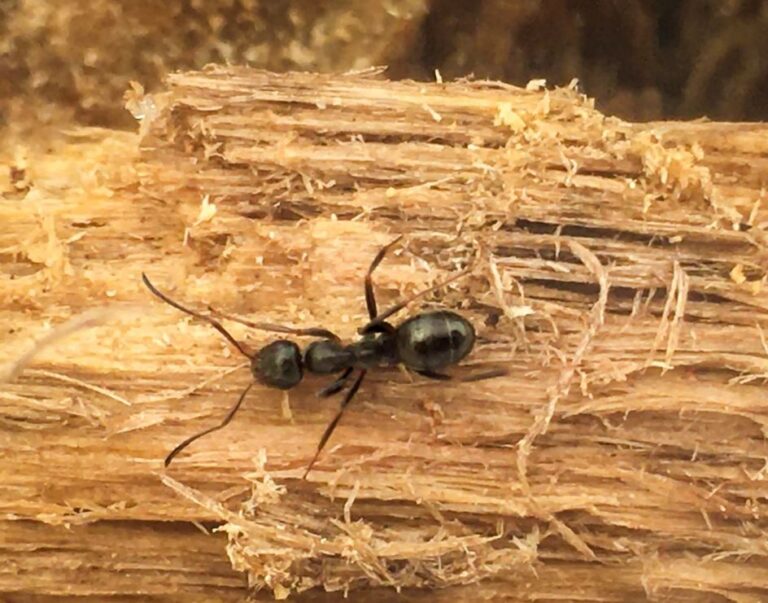
Accurate identification is the first step in effective control. Big headed ants are often confused with other species, but key characteristics set them apart.
Key Physical Traits:
- Polymorphic Colonies: Contain minor workers (1.5-2mm) and major workers or “soldiers” (3-4mm) with very large, square heads.
- Color: Typically reddish-brown to dark brown.
- Antenna: 12-segmented with a 3-segmented club.
- Thorax: Has a noticeable dip or “notch” when viewed from the side.
- Nodes: Two nodes on the petiole (the connecting segment between thorax and abdomen).
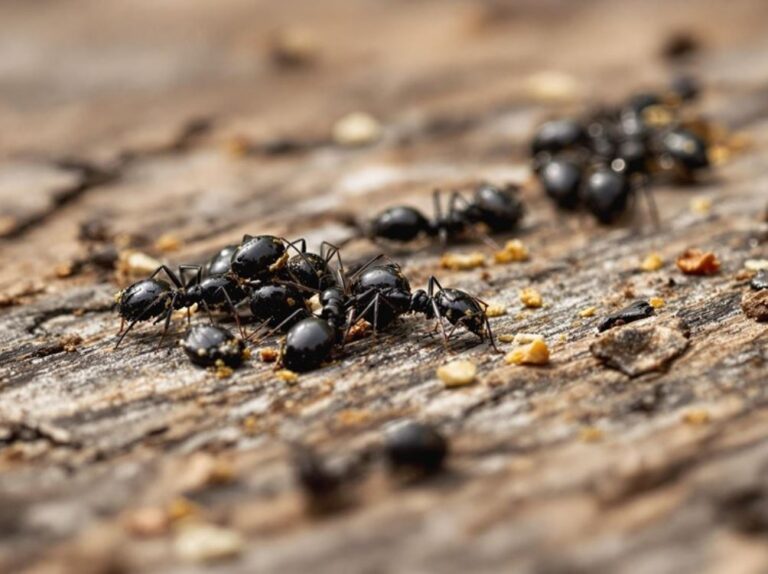
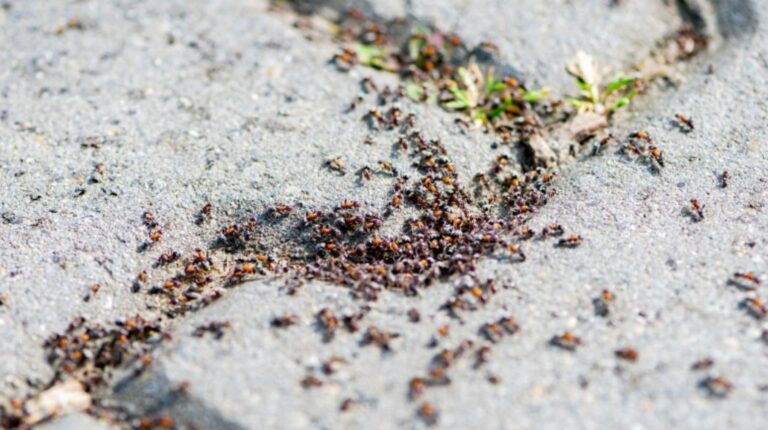
A common sign of infestation is the movement of soil and sand, creating visible “highways” of displaced grit along sidewalks, foundations, and patios.
Comparison Table: Big Headed Ant vs. Common Florida Ants
| Feature | Big Headed Ant | Fire Ant | Carpenter Ant | Ghost Ant |
|---|---|---|---|---|
| Primary Color | Reddish-brown | Reddish-brown | Black/Dark Brown | Head/Thorax dark; Abdomen pale |
| Size (Worker) | 1.5 – 4mm (two sizes) | 2 – 6mm | 6 – 13mm | 1.3 – 1.5mm |
| Key Identifier | Major workers have enormous heads | Aggressive, painful sting | Single node, heart-shaped head | Translucent, pale abdomen |
| Nest Location | Soil, under objects, in mulch | Mound nests in soil | Moist wood (indoors/outdoors) | Wall voids, potted plants |
| Trail Pattern | Clearly defined soil/sand trails | Radial foraging from mound | Erratic, often nocturnal | Follow edges, faint trails |
The Ecological and Structural Impact in Florida
Big headed ants are more than a nuisance; they are ecosystem engineers and property pests.
Ecological Disruption:
They are highly aggressive competitors, often outcompeting and eliminating native ant fauna. This disrupts local food webs, as ants are key seed dispersers and soil aerators. Their foraging also protects harmful pests like aphids and scale insects to harvest honeydew, which can damage landscaping.
Property Damage:
Unlike carpenter ants, they don’t eat wood. However, their nesting behavior can undermine pavement, walkways, and foundations. They excavate soil from under these structures, causing settling and cracks. Indoors, they are attracted to moisture and can colonize wall voids near leaks.
Life Cycle and Habitats: Why Florida is Perfect for Them
Understanding their biology explains their success in the Sunshine State.
Life Cycle: Complete metamorphosis (egg > larva > pupa > adult). Colonies can grow rapidly, containing thousands of workers and multiple queens (polygyny), allowing them to spread via “budding” — where a queen and workers break off to form a new nest nearby.
Preferred Habitats in Florida:
- Outdoors: Flower beds, mulch piles, under stones, pavers, and landscape timbers. They love the moist, protected environments common in Florida yards.
- Indoors: They enter homes seeking moisture and food, often found in kitchens, bathrooms, and around HVAC units.
DIY Control and Prevention Strategies
For small infestations, homeowners can take proactive measures.
1. Sanitation and Exclusion:
- Seal cracks and entry points with silicone caulk.
- Eliminate standing moisture; fix leaks.
- Keep kitchen surfaces clean, store food in sealed containers.
- Maintain a 12-18 inch “clean zone” of bare soil or gravel around your home’s foundation, avoiding mulch or vegetation contact.
2. Baiting (The Most Effective DIY Method):
Big headed ants have a sweet tooth but also need protein. Use a combination of baits.
| Bait Type | Active Ingredient | Best For | Placement Tip |
|---|---|---|---|
| Sugar/Gel Baits | Indoxacarb, Thiamethoxam | Killing workers & colony via trophallaxis | Near trails, non-competitive with food sources |
| Protein/Granular Baits | Fipronil, Hydramethylnon | Targeting the brood and queens | Near nest entrances if visible |
Important: Do not spray insecticides on visible trails! This will scatter the colony (budding) and worsen the problem. Baiting allows workers to take poison back to the nest.
When to Call a Professional Exterminator
Due to their multiple-queen structure and budding behavior, big headed ant colonies can be vast and interconnected, making them notoriously difficult to eradicate. Call a professional if:
- The infestation is widespread indoors.
- DIY baiting efforts fail after 2-3 weeks.
- You notice damage to walkways or foundations.
- The colony is located in a hard-to-reach area (like under a slab).
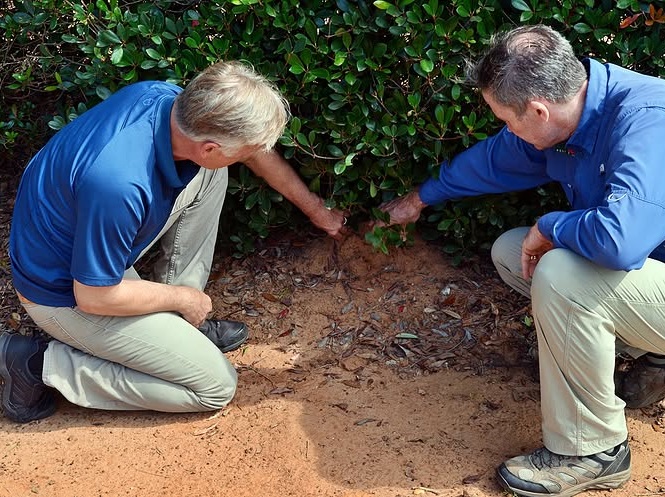
Licensed professionals have access to advanced baiting systems and perimeter treatments designed to target the entire supercolony.
Conclusion: Vigilance is Key in Florida
Big headed ants are a persistent and damaging invasive species firmly established in Florida. Successful management relies on proper identification, an understanding of their biology, and the consistent use of baiting strategies over spraying. By maintaining a dry, clean perimeter around your home and acting quickly at the first signs of workers, you can protect your property and help curb the spread of this ecologically damaging insect.