
The Fascinating Reason Why Ants Carry Their Dead

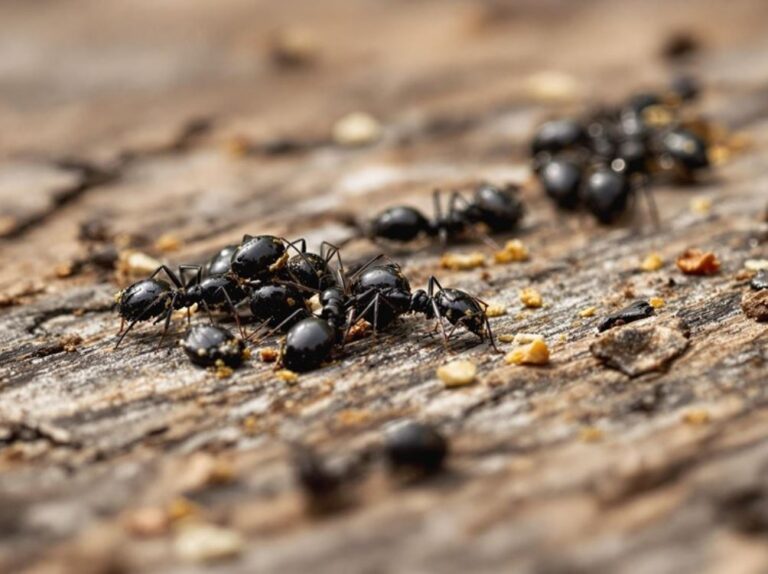
Have you ever noticed a trail of ants carrying their deceased companions and wondered about this mysterious behavior? This macabre procession is one of the most intriguing sights in the insect world, revealing a complex social structure and sophisticated survival strategies. Far from being random, this behavior serves critical purposes in ant colonies, from disease prevention to chemical communication. Let’s explore the science behind why ants act as their own undertakers.
The Science of Necrophoresis: A Matter of Life and Death
Ants carrying dead ants is a behavior scientifically known as necrophoresis (from Greek: nekros meaning “dead body” and phoresis meaning “carrying”). This is a vital form of colony hygiene practiced by social insects.
Dr. Eleanor Spicer Rice, entomologist and author, explains: “Ants are the ultimate clean freaks. A dead ant left in the nest is a biohazard, a ticking time bomb of pathogens. Removing the dead is as essential to an ant colony as taking out the trash is to our homes.”
When an ant dies inside or near the nest, its body begins to decompose, releasing oleic acid and other fatty acids. For ants, these chemicals act as a powerful “death signal.” Live ants have a living scent profile (a hydrocarbon coat) that constantly identifies them as colony members. Upon death, this profile decays, and the oleic acid signal triggers a genetically programmed response in worker ants: remove the source.
Key Reasons Why Ants Perform Necropsy
| Primary Reason | How It Works | Benefit to Colony |
|---|---|---|
| Disease Prevention | Removes potential sources of fungi, bacteria, and parasites from the densely populated nest. | Protects the queen, brood, and entire colony from epidemics. |
| Chemical Signal Response | Oleic acid from the dead ant triggers a “remove” behavior in workers. | Maintains clean living environment and efficient chemical communication. |
| Resource Management | Dead ants are sometimes taken to a designated “cemetery” or midden pile outside the nest. | Keeps nest tunnels clear and organized for movement and resource storage. |
| Nutritional Recycling | In some species, dead ants are consumed or fed to larvae as a source of protein. | Reduces waste and recycles nutrients within the colony. |
| Social Cohesion | Ritualized behavior reinforces colony identity and division of labor. | Strengthens the cooperative social structure essential for survival. |
The Process: How Ants Detect and Remove the Dead
The undertaking process is methodical:
- Detection: A worker ant encounters a deceased nestmate and detects the death chemicals (primarily oleic acid).
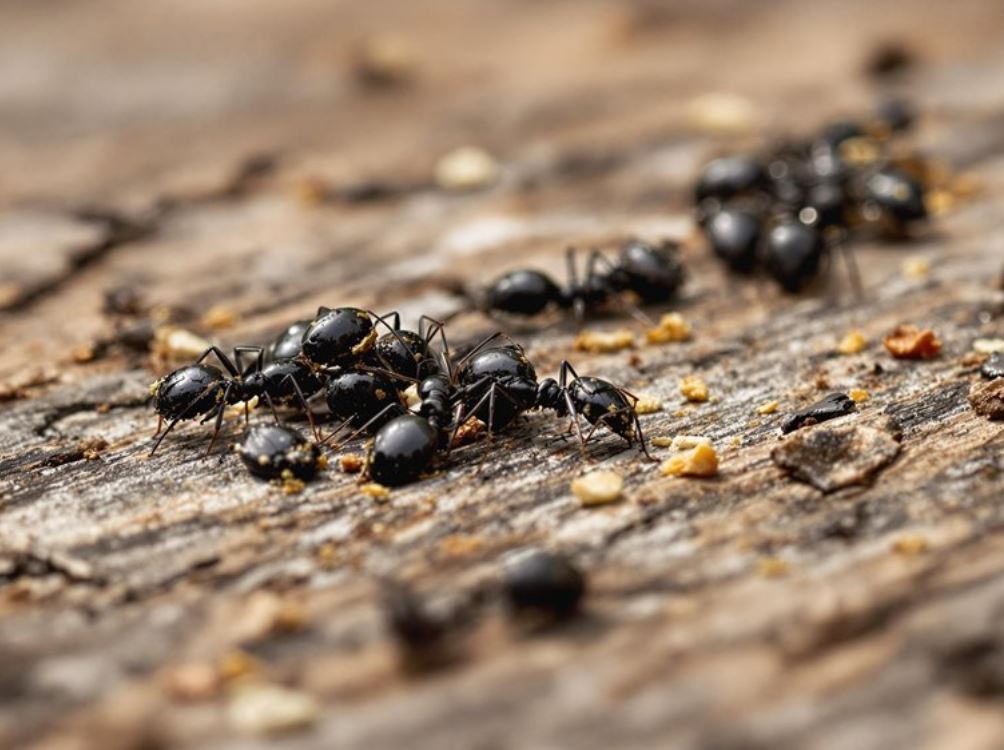
- Grasping: The worker uses its mandibles to grasp the dead ant.
- Transportation: It carries the body, often traveling a significant distance relative to its size.
- Disposal: The body is deposited in a “ant cemetery”—a designated refuse pile often located downwind from the nest entrance to minimize contamination risk.
Interestingly, if a live ant is experimentally dabbed with oleic acid, its nestmates will treat it as dead and attempt to carry it away, despite its protests. This demonstrates the powerful, instinctual nature of the response.
Comparison: Ant Undertaking vs. Human Funeral Practices
| Aspect | Ant Necrophoresis | Human Funeral Practices |
|---|---|---|
| Primary Driver | Instinct & chemical triggers | Culture, religion, and emotion |
| Purpose | Hygiene and colony survival | Closure, respect, ritual |
| Method | Carrying to midden pile | Burial, cremation, etc. |
| Consciousness | Pre-programmed behavior | Conscious, intentional activity |
| Variation | Species-specific | Vast cultural and individual variation |
E.O. Wilson, the celebrated biologist, noted: “The ant colony is a factory assembly line tuned for survival. Every behavior, even the disposal of the dead, is an optimized step in the machinery of reproductive success.”
Exceptions and Variations
Not all ant species handle their dead identically:
- Fire Ants: Form dense clusters of living ants around debris (including dead ants) and literally float them out of the nest during floods.
- Leafcutter Ants: Have specialized waste-worker castes that manage dedicated underground waste chambers.
- Army Ants: Often abandon their dead along with the bivouac (temporary nest) when they migrate.
SEO-Optimized FAQ Section
Q1: Why do ants carry dead ants away?
A: Ants carry dead ants to prevent disease spread, remove chemical death signals, and maintain nest hygiene—a behavior critical for colony survival.
Q2: Where do ants take dead ants?
A: Ants typically transport dead nestmates to a designated refuse pile called a “midden” or ant cemetery, located a safe distance from the nest.
Q3: Do ants bury their dead?
A: Most ants don’t bury individuals but deposit them in communal refuse piles. Some species, like leafcutters, use specialized waste chambers.
Q4: Do ants feel grief or emotion when carrying dead ants?
A: No, ants operate on instinct and chemical triggers. The behavior is a sterile, evolutionary adaptation for survival, not an emotional response.
Q5: What happens if ants don’t remove their dead?
A: Decomposing corpses can foster mold, bacteria, and parasites, potentially leading to colony collapse due to disease.
Conclusion: More Than Just Insect Housekeeping
The sight of ants carrying their dead is a powerful testament to the evolutionary ingenuity of social insects. What might seem like a simple, morbid task is, in reality, a complex biohazard management system refined over millions of years. This behavior ensures the health of the superorganism that is the ant colony, allowing these remarkable insects to thrive in virtually every terrestrial ecosystem on Earth.
Next time you witness this tiny funeral procession, you’ll appreciate it as a sophisticated survival strategy—nature’s perfect balance between life, death, and cleanliness, written in the language of chemistry and instinct.