
Ants Coming from Baseboards: Causes, Risks, and Effective Solutions

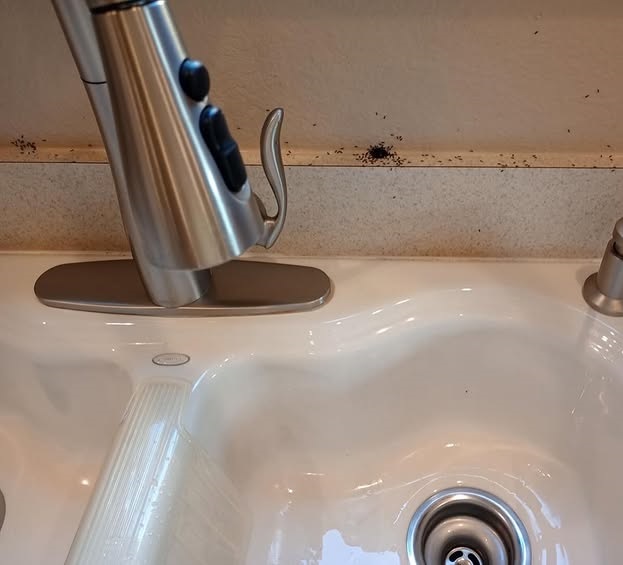
Discovering a trail of ants emerging from your baseboards can be unsettling. These tiny invaders often use the narrow gaps between walls and flooring as hidden highways into your home. Beyond being a nuisance, ants entering through baseboards can indicate larger issues, from hidden colonies to underlying moisture problems. This comprehensive guide will help you understand why ants are using your baseboards, how to identify them, and the most effective strategies to eliminate and prevent infestations.
Why Are Ants Coming from My Baseboards?
Baseboards provide ideal entry points for ants due to their architectural design. The small gaps and cracks where the baseboard meets the wall or floor are often invisible to homeowners but are perfect access routes for foraging ants.
Primary Reasons:
- Sheltered Pathways: Baseboards offer dark, protected travel routes from nests to food sources.
- Hidden Nest Sites: Sometimes, colonies establish satellite nests within walls or under flooring, with baseboards acting as direct exits.
- Moisture: Carpenter ants are attracted to moisture-damaged wood behind or under baseboards.
- Food Trails: Scent trails from previous foragers lead new ants to the same entry point.
Identifying the Ant Species: A Crucial Step
Effective treatment depends on correctly identifying the ant species. Below is a comparison table of common household ants found near baseboards.
Common Ant Species Found in Baseboards
| Species | Size & Color | Key Characteristics | Primary Attraction | Potential Risk |
|---|---|---|---|---|
| Odorous House Ant | Small, 1/8”, Brown/Black | Strong rotten coconut smell when crushed; prefers sweets. | Sugar, honey, spilled foods. | Nuisance contaminator of food. |
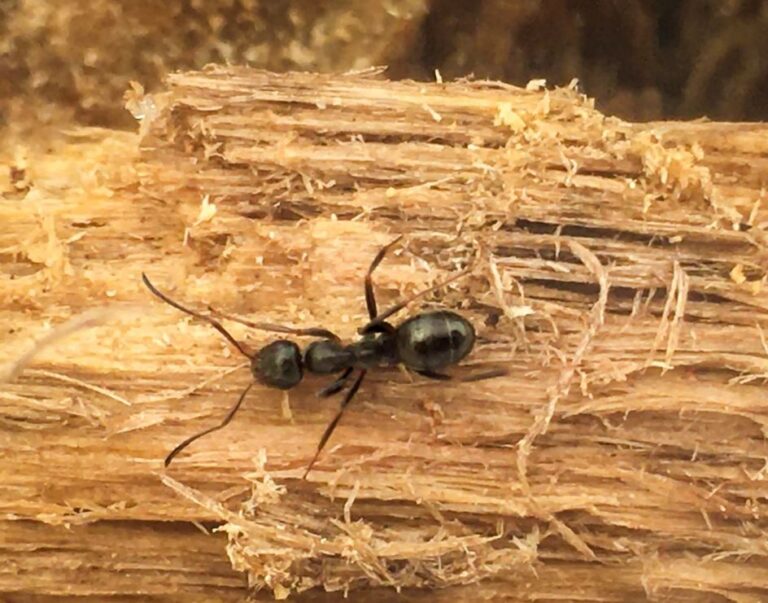
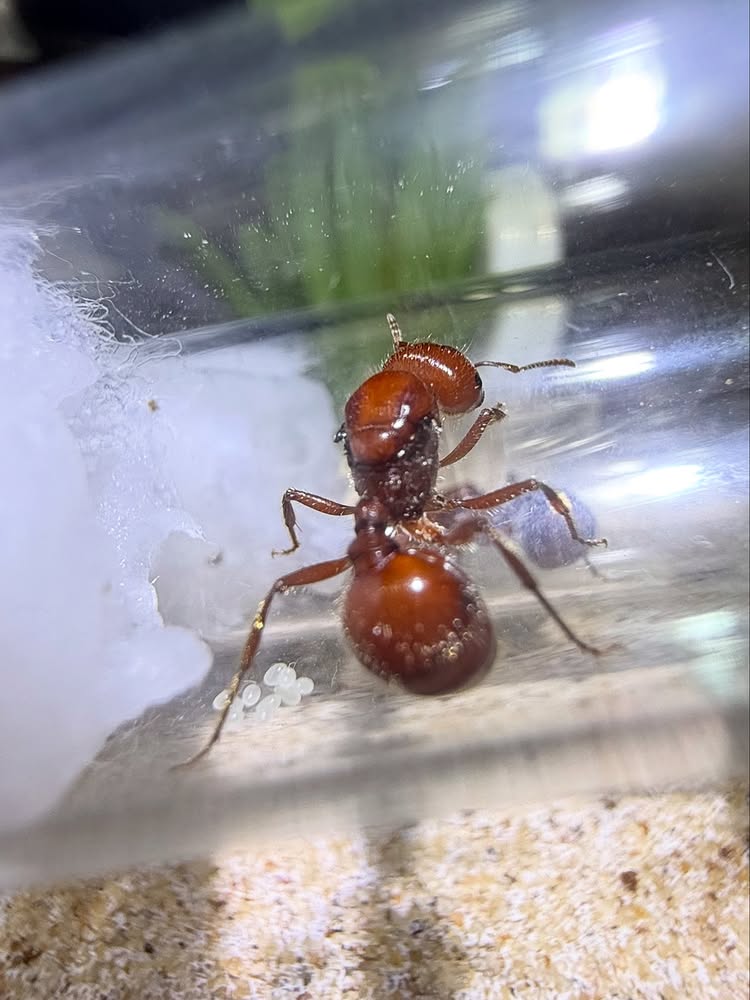
| Carpenter Ant | Large, 1/4” – 1/2”, Red/Black | No waist; large mandibles; frass (sawdust) near baseboards. | Moisture, wood damage, proteins/sweets. | Can cause structural wood damage. |
| Pavement Ant | Small, 1/8”, Brown/Black | Parallel grooves on head/thorax; often nest under slabs. | Greasy foods, proteins, sweets. | Nuisance; can create dirt mounds. |
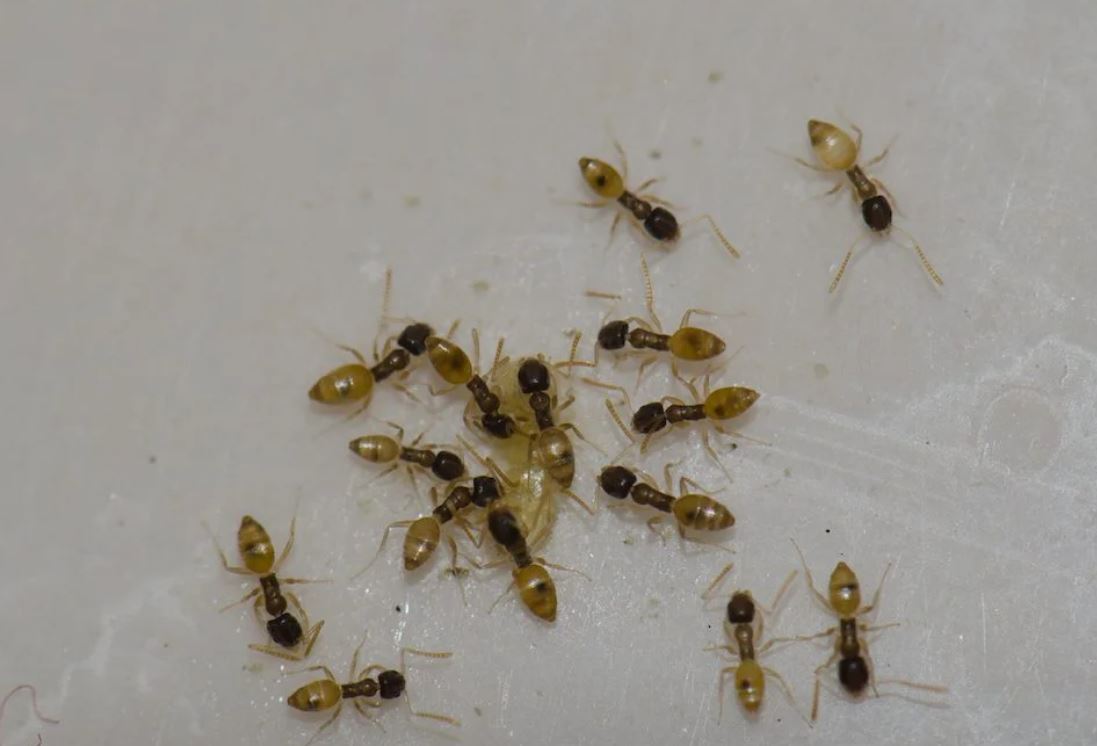
| Pharaoh Ant | Tiny, 1/16”, Light Yellow | 2-segmented club antennae; notorious indoor nester. | Fats, proteins, sweets; common in hospitals/homes. | Difficult to eradicate; can spread pathogens. |
| Argentine Ant | Small, 1/8”, Light/Dark Brown | Massive colony networks; aggressive towards other ants. | Sweets, oils, moisture. | Nuisance; forms extensive supercolonies. |
Immediate Action: What to Do When You See Ants at Baseboards
- Don’t Panic or Just Spray: Indiscriminate spraying can scatter colonies, making the problem worse.
- Clean Thoroughly: Wipe up the trail with soapy water to disrupt the pheromone scent path.
- Identify the Trail: Follow the ants to see if they lead to a food source indoors or back to an entry point.
- Seal Immediate Entry Points: Use caulk to seal the crack along the baseboard where ants are emerging.
- Set Baits: Place commercial ant baits (gel or station) near, but not directly on, the trail. Worker ants will carry the poison back to the colony.
Long-Term Elimination and Prevention Strategies
A reactive approach isn’t enough. A multi-step strategy is required for lasting control.
Step-by-Step Eradication Plan
| Step | Action | Purpose |
|---|---|---|
| 1. Inspection | Check baseboards, under carpets, behind appliances, for moisture, and in crawl spaces. | Locate nest(s), food sources, and moisture issues. |
| 2. Sanitation | Store food in sealed containers, clean crumbs/spills immediately, manage trash. | Remove the ant attractants that draw them inside. |
| 3. Exclusion | Caulk gaps along baseboards, walls, and foundations. Install door sweeps. | Seal physical entry points to block ant access. |
| 4. Baiting | Use appropriate bait for the species (sugar-based for sweets lovers, protein/grease-based for others). | Target the entire colony, including the hidden queen(s). |
| 5. Direct Treatment (if needed) | Apply insecticide dusts (like diatomaceous earth) into wall voids via drilled holes. | Eliminate nests within walls; best done by professionals. |
| 6. Moisture Control | Fix leaks, improve ventilation, use dehumidifiers in damp areas like basements. | Deter moisture-loving ants like Carpenter ants. |
When to Call a Professional Pest Control Service
Consider professional help if:
- You identify Carpenter Ants (potential for structural damage).
- The infestation is large or recurrent, suggesting a major nest within walls.
- You are dealing with Pharaoh Ants, which require specialized baiting strategies.
- DIY methods have failed after several weeks.
Conclusion
Ants coming from baseboards are a common household issue signaling that your home has become attractive to these persistent pests. Success lies in correct identification, strategic baiting, meticulous sealing of entry points, and eliminating attractants. By taking a structured, informed approach, you can not only clear the current trail but also fortify your home against future invasions. Remember, consistency is key—ant control is an ongoing process of vigilance and maintenance.