
The Ultimate Guide: How to Get Rid of Ghost Ants in Florida

Introduction: The Phantom Invaders of the Sunshine State
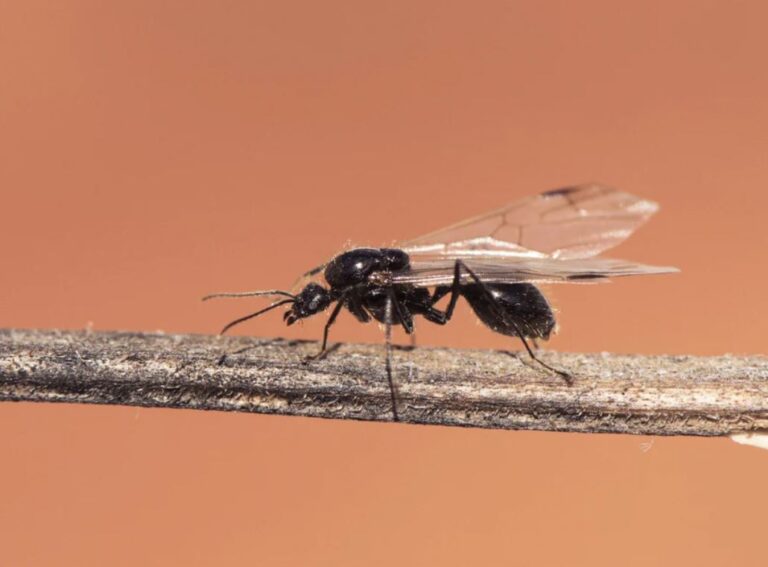
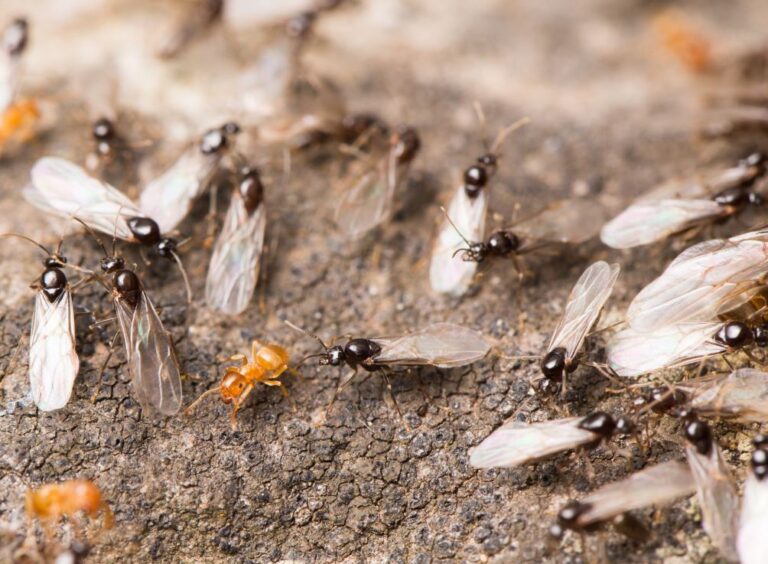
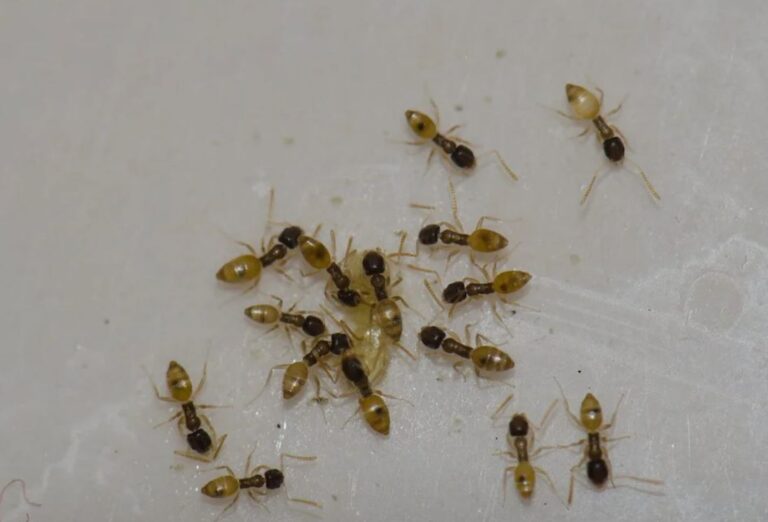
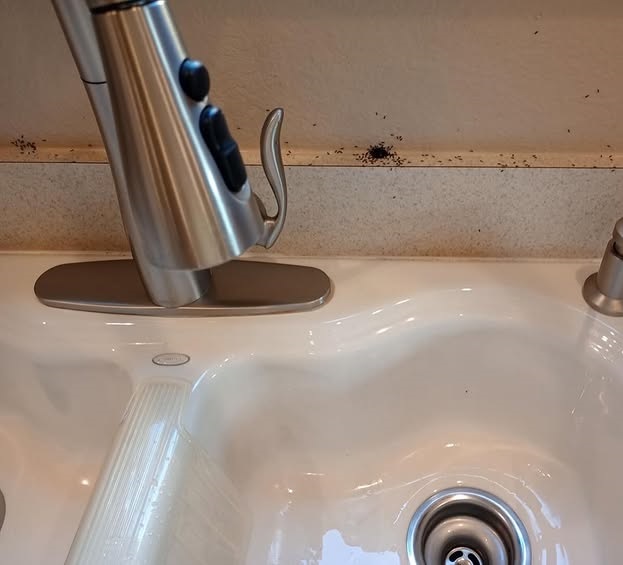
If you’ve spotted tiny, pale ants with dark heads scurrying across your kitchen counters or along bathroom sinks, you’ve likely encountered one of Florida’s most persistent household pests: the ghost ant (Tapinoma melanocephalum). Named for their elusive, almost translucent appearance, ghost ants have become a widespread nuisance in Florida due to the state’s warm, humid climate—a perfect breeding ground for these tropical insects. This comprehensive guide will provide you with proven, effective strategies to eliminate ghost ant infestations and prevent their return, tailored specifically for Florida homeowners.
Understanding Your Enemy: Ghost Ant Biology and Behavior
To effectively combat ghost ants, you must first understand what makes them unique. Unlike some ant species, ghost ants are highly adaptable and have specific characteristics that make them challenging to control.
Key Identification Features:
- Size: Extremely small, 1.3 to 1.5 mm long (about the thickness of a dime)
- Color: Head and thorax are dark brown to black; legs and abdomen are milky white to pale yellow, giving them a “ghostly” appearance
- Behavior: Move erratically and quickly; prefer sweet foods but are omnivorous
- Nesting: Prefer moist areas; colonies are often split across multiple sites (satellite colonies)
Ghost ants thrive in Florida’s environment. They commonly nest outdoors in:
- Leaf litter, potted plants, under mulch, under loose bark, in tree cavities, and in cardboard boxes.
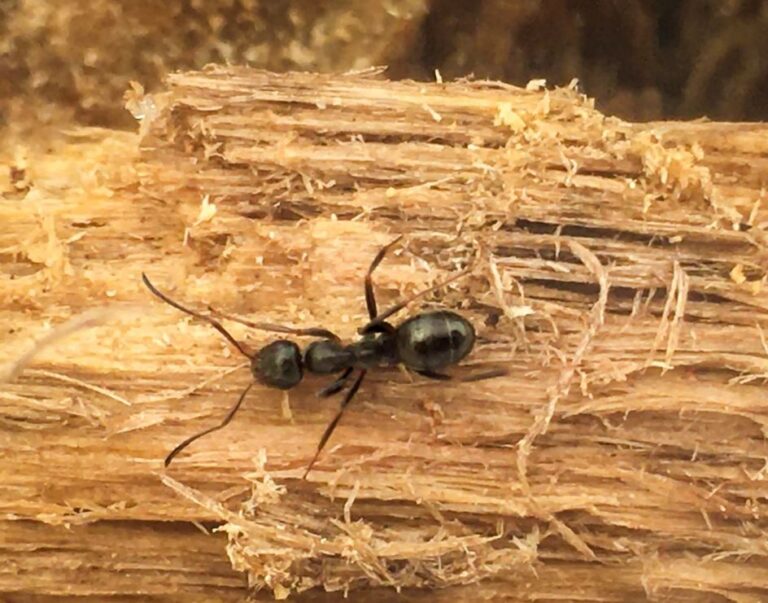
- Once inside, they seek moisture and food, nesting in wall voids, behind baseboards, in crevices, and around sinks and plumbing.
Why Traditional Ant Baits Often Fail with Ghost Ants
Many homeowners make the mistake of using standard ant control methods for ghost ants, only to see the problem worsen. Here’s why:
Multiple Queens & Satellite Colonies: A single ghost ant colony can have multiple queens and numerous satellite nests. Killing one segment often causes the colony to fragment and spread, a process called “budding.”
Trophallaxis & Food Preferences: Ghost ants share food through a process called trophallaxis. They have a strong preference for sweets but will switch to protein-based foods if needed. Using the wrong bait type can render your efforts useless.
Step-by-Step Elimination Strategy: The Integrated Pest Management (IPM) Approach
Effective ghost ant control requires a multi-pronged strategy. Follow these steps in order for maximum effectiveness.
Step 1: Thorough Inspection and Identification
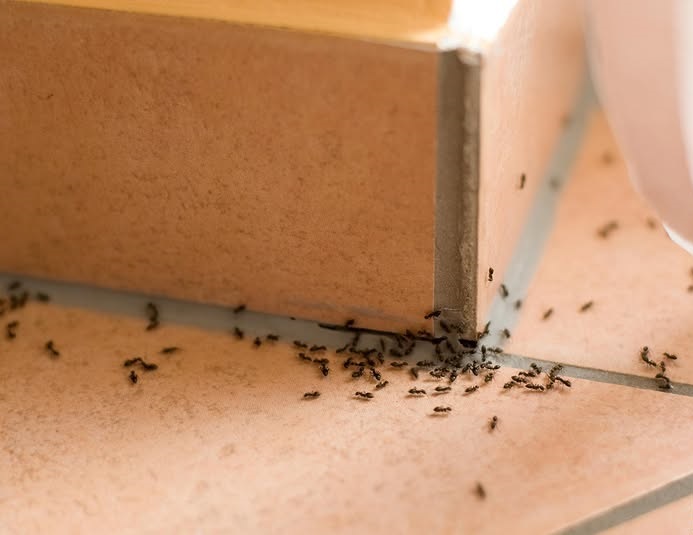
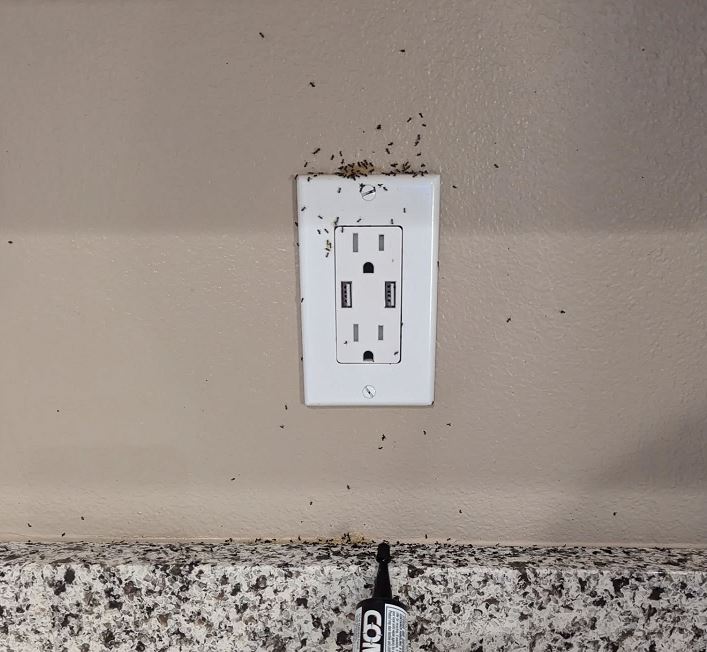
Track the ants to find their trails. Look for them in kitchens and bathrooms, especially near water sources. Use a flashlight to examine seams, edges, and potential entry points. Note where you see the most activity—this will guide your treatment.
Step 2: Sanitation and Exclusion (Critical First Defense)
Remove the attractions that draw ants inside.
- Eliminate Food Sources: Store sweets (honey, syrup, sugar), fruits, and pet food in airtight containers. Wipe down counters, sweep floors, and clean up spills immediately.
- Reduce Moisture: Fix leaky faucets and pipes. Use dehumidifiers in damp areas. Ensure proper drainage around your home’s foundation.
- Seal Entry Points: Use caulk to seal cracks and crevices around windows, doors, pipes, and utility lines. Repair damaged screens.
Step 3: Baiting – The Most Crucial Step
Baiting is the cornerstone of ghost ant elimination. The workers carry the toxic bait back to the nest, sharing it with the queens and brood, eventually destroying the entire colony.
Bait Selection Table for Ghost Ants:
| Bait Type | Active Ingredient Examples | Best For | Placement Tips |
|---|---|---|---|
| Sugar/Gel Baits | Indoxacarb, Thiamethoxam | Initial control when ants are seeking sweets. | Place small dabs near trails in corners, under appliances. |
| Protein/Fat Baits | Fipronil, Abamectin | Rotating bait if sugar baits are ignored; often effective in summer. | Place near suspected nest areas or trails. |
| Dual-Function Baits | Combination of attractants | When ant food preference is unknown. | Use as a broad-spectrum option. |
Pro Tips for Baiting:
- DO NOT SPRAY INSECTICIDES ON TRAILS. This will disrupt the foraging and prevent the ants from taking the bait back to the nest.
- Use multiple bait stations in different areas.
- Be patient. It can take several days to two weeks to see a significant reduction.
- If one bait isn’t working, try a different formulation.
Step 4: Targeted Outdoor Treatment
After baiting indoors, address the outdoor population to prevent re-invasion.
- Locate Outdoor Nests: Check potted plants, mulch beds, under stones, and in leaf litter.
- Use a Non-Repellent Insecticide: Products containing Fipronil or Imidacloprid are effective. These are transferable insecticides that workers pick up and share within the colony.
- Create a Protective Barrier: Apply a residual insecticide spray (following label instructions carefully) around the home’s perimeter, focusing on the foundation, door thresholds, and around utility penetrations.
Step 5: Natural and DIY Remedies (For Minor Infestations)
For those who prefer a less chemical-intensive approach, these methods can help with small problems or as a supplement.
- Diatomaceous Earth (DE): Food-grade DE can be lightly dusted in dry areas where ants travel. It causes dehydration but loses effectiveness when wet.
- Vinegar Solution: A 50/50 mix of vinegar and water can disrupt scent trails when used to clean surfaces. It is a repellent, not a control method.
- Essential Oils: Peppermint, tea tree, or lemon oil mixed with water in a spray bottle can act as a temporary deterrent. Reapply frequently.
Important Note: DIY methods rarely eliminate an entire colony and are best for prevention or very minor issues.
Prevention: Keeping Ghost Ants Out for Good
In Florida, prevention is an ongoing battle. Make these practices part of your routine:
- Landscape Management: Keep mulch, pine straw, and leaf litter at least 6 inches away from your home’s foundation. Trim tree branches and shrubs so they don’t touch the house.
- Manage Outdoor Water: Ensure downspouts direct water away from the foundation. Avoid overwatering plants close to the house.
- Regular Home Maintenance: Re-caulk windows and doors annually. Inspect and seal cracks in the foundation.
- Monitor with Bait: Place ant bait stations in problem areas (like the garage or patio) at the first sign of activity, typically in spring and summer.
When to Call a Professional Pest Control Service in Florida
Sometimes, an infestation is too widespread, persistent, or located in inaccessible areas (like inside wall voids or under slabs). Consider hiring a licensed Florida pest control professional if:
- The infestation returns repeatedly after your treatments.
- You suspect a large satellite colony inside your walls.
- You are dealing with a severe, widespread problem.
- You prefer a guaranteed, hands-off solution.
Professionals have access to stronger, specialized products and the expertise to perform crack-and-crevice injections and other advanced treatments.
Conclusion: Winning the War Against Ghost Ants
Eradicating ghost ants in Florida requires a strategic, patient, and persistent approach. The key is to combine meticulous sanitation, intelligent baiting, careful outdoor treatment, and diligent prevention. Remember, the most common mistake is using repellent sprays that scatter the colony. Start with bait, be thorough with exclusion, and maintain your defenses. By following this guide, you can reclaim your Florida home from these tiny phantom invaders and enjoy a pest-free environment.