
The Ultimate Guide to Sugar Ants in Texas: Identification, Prevention, and Control

Introduction: Why Sugar Ants Are a Texas-Sized Problem
In the diverse ecosystems of Texas, from the humid Gulf Coast to the arid deserts of the west, one tiny pest unites homeowners in frustration: the sugar ant. Known for their relentless pursuit of sweets and carbohydrates, sugar ants are a year-round nuisance in the Lone Star State. This comprehensive guide will arm you with the knowledge to identify, prevent, and eliminate sugar ant infestations, using SEO-optimized content to answer the most pressing questions Texas residents have about these persistent insects.
What Are “Sugar Ants”? Clarifying a Common Misnomer
First, it’s important to clarify that “sugar ant” is a colloquial term used to describe several species of small ants attracted to sweet substances. In Texas, the term most commonly refers to:
- Odorous House Ants (Tapinoma sessile)
- Pavement Ants (Tetramorium immigrans)
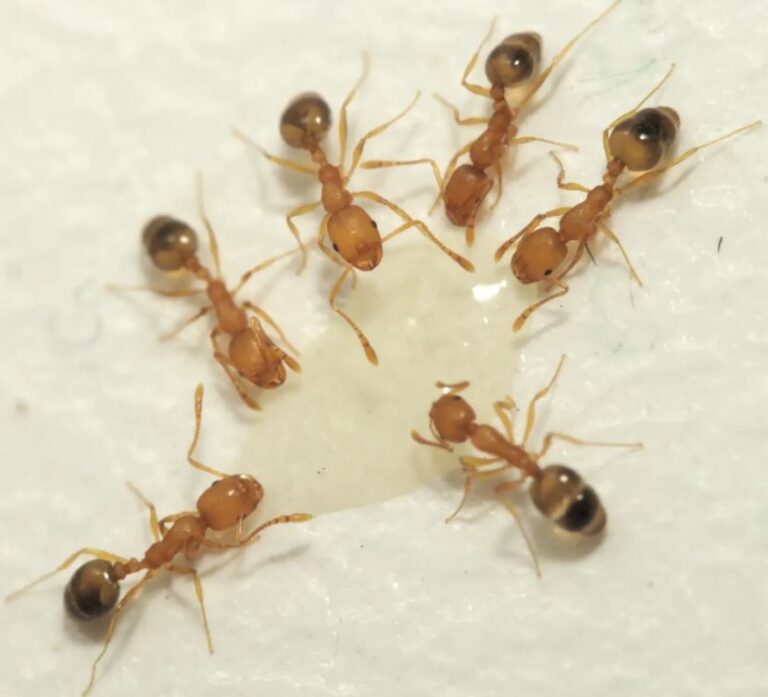
- Pharaoh Ants (Monomorium pharaonis)
- Acrobat Ants (Crematogaster spp.)
- Native Texas “Sugar Ants” (Camponotus spp. in part)
The true “sugar ant” (Camponotus consobrinus) is actually native to Australia, but Texans have adopted the term for any small, sweet-seeking ant invading their homes.
Identifying Sugar Ants in Texas: A Comparative Guide
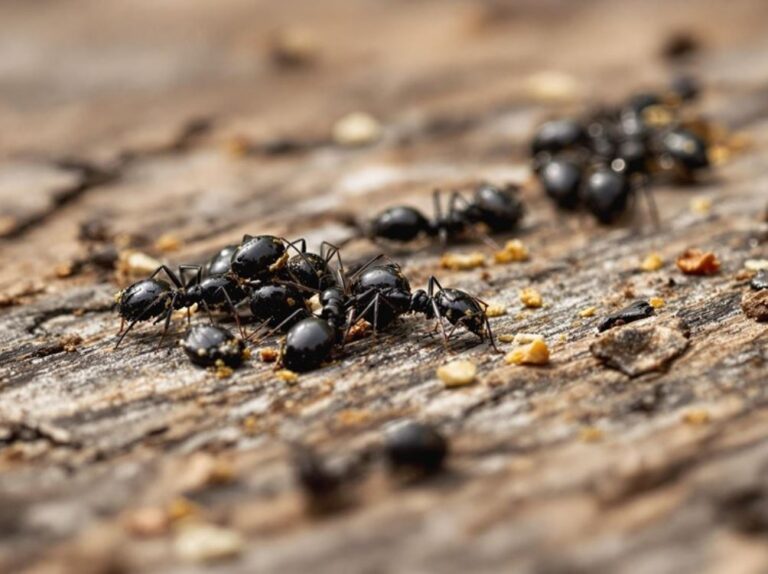
Use this table to identify which type of ant you’re dealing with:
| Species | Size | Color | Key Identifying Features | Common Texas Locations |
|---|---|---|---|---|
| Odorous House Ant | 1/16″ – 1/8″ | Dark brown to black | Emits rotten coconut smell when crushed; uneven thorax | Throughout Texas, especially urban areas |
| Pavement Ant | 1/8″ | Dark brown to black | Parallel grooves on head/thorax; nests under pavement | Urban areas across Texas |
| Pharaoh Ant | 1/16″ | Yellow to light brown | Two-segmented petiole; extremely small | Indoor infestations, common in hospitals |
| Acrobat Ant | 1/8″ – 3/16″ | Light brown to black | Heart-shaped abdomen raised when disturbed | Wooded areas, sometimes in walls |
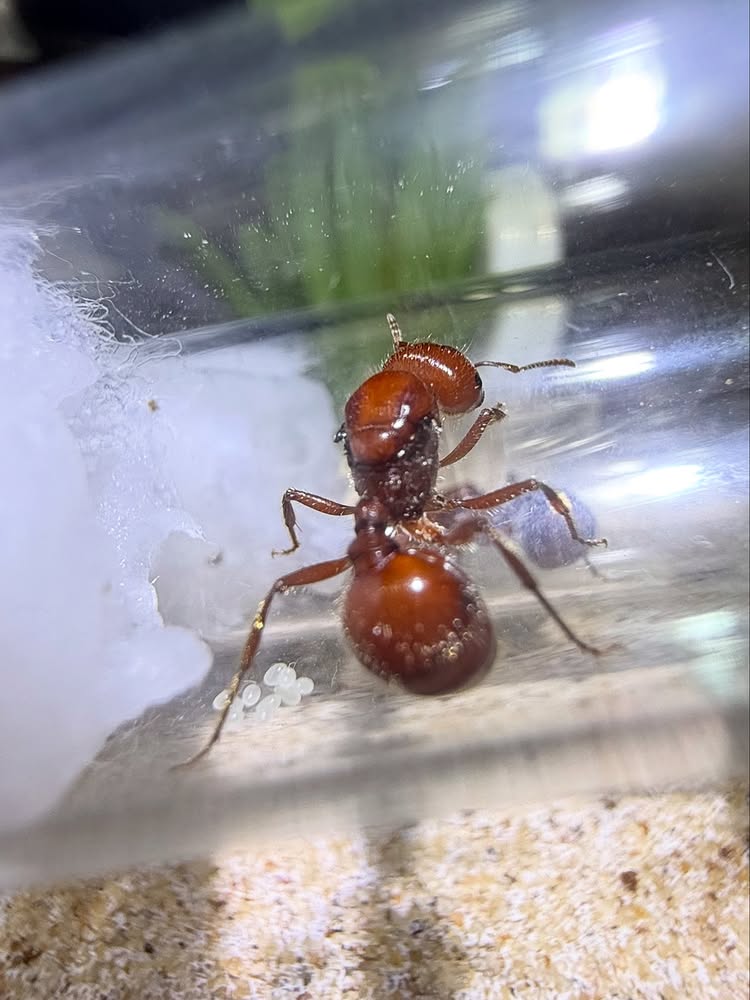
| Carpenter Ant (often mistaken) | 1/4″ – 1/2″ | Black, red, or combination | Large size; polymorphic workers; no waist constriction | East Texas forests, urban trees |
Visual identification tip: Use a magnifying glass and compare against high-quality images from Texas A&M AgriLife Extension resources.
The Texas Sugar Ant Lifecycle: Why They’re So Persistent
Understanding the lifecycle explains why sugar ants are such formidable opponents:
- Colony Foundation (Spring): Mated queens establish new colonies after spring rains, often in soil, under rocks, or within wall voids.
- Rapid Expansion (Summer): Colonies grow exponentially, with worker numbers reaching thousands. Summer heat drives them indoors for water and food.
- Foraging Intensity (Fall): As natural food sources diminish, ants aggressively seek indoor resources, creating visible trails along scent pathways.
- Overwintering (Winter): In milder Texas winters, colonies remain active indoors. In colder regions, they become dormant but don’t die off.
A single colony can contain 100,000+ workers and multiple queens, making elimination challenging without professional strategies.
Why Texas Homes Are Particularly Vulnerable
Several factors make Texas properties prime targets for sugar ant infestations:
- Climate Diversity: From humidity to aridity, Texas hosts ant species adapted to various conditions
- Urban Sprawl: Development disturbs natural habitats, forcing ants into human dwellings
- Agricultural Connections: Nearby farms and gardens provide food sources that lead ants to structures
- Construction Styles: Slab foundations and siding materials often provide ideal nesting sites
- Seasonal Extremes: Summer heat and occasional freezes drive ants indoors
Health and Property Risks: More Than Just a Nuisance
While Texas sugar ants don’t typically sting or cause structural damage like carpenter ants, they pose several risks:
- Food Contamination: Can carry bacteria like E. coli and Salmonella onto food surfaces
- Electrical Damage: Some species chew through wiring insulation
- Allergic Reactions: Rare but possible reactions to ant proteins
- Secondary Pests: Ant trails can attract spiders and other predators
- Psychological Distress: Persistent infestations cause significant homeowner stress
Prevention Strategies: Texas-Specific Solutions
Outdoor Prevention Table
| Area of Home | Prevention Strategy | Texas-Specific Tips |
|---|---|---|
| Foundation | Seal cracks > 1/16″ | Use silicone-based caulk (withstands Texas temperature swings) |
| Landscaping | Keep vegetation trimmed | Maintain 12″ clearance from structure; use native, less attractive plants |
| Moisture Control | Fix leaks, improve drainage | Install French drains in clay soil areas; use gutter extensions |
| Waste Management | Secure trash/recycling | Use containers with locking lids (raccoon and ant-proof) |
| Firewood | Store away from home | Elevate 18″ off ground and 2′ from structure |
Indoor Prevention Checklist
- Store sweets, honey, and syrups in airtight containers
- Clean countertops with vinegar solution (disrupts scent trails)
- Fix dripping faucets and leaking pipes promptly
- Pet food: Don’t leave out overnight; use moats in bowls
- Regularly empty indoor trash cans, especially in kitchens
DIY Elimination Methods: What Works in Texas
Comparison of Common DIY Approaches
| Method | Effectiveness | Texas Considerations | Best For |
|---|---|---|---|
| Borax/Sugar Baits | High (if proper ratio) | May be less effective in humid areas | Odorous house ants, pavement ants |
| Diatomaceous Earth | Moderate | Apply in dry conditions; reapply after rain | Outdoor barrier treatment |
| Vinegar Solutions | Low (repellent only) | Temporary trail disruption | Immediate trail elimination |
| Essential Oils | Low to Moderate | Peppermint and citrus oils work best | Small, emerging problems |
| Store-Bought Baits | Variable | Look for Texas-specific recommendations | Pharaoh ants (gel baits work best) |
Pro Texas Tip: The most effective DIY bait ratio is 1 part borax to 3 parts sweet attractant (honey, syrup, or apple jelly). Place near trails but out of reach of pets and children.
When to Call a Texas Pest Control Professional
Consider professional help when:
- Infestation persists after multiple DIY attempts
- You find multiple nests or satellite colonies
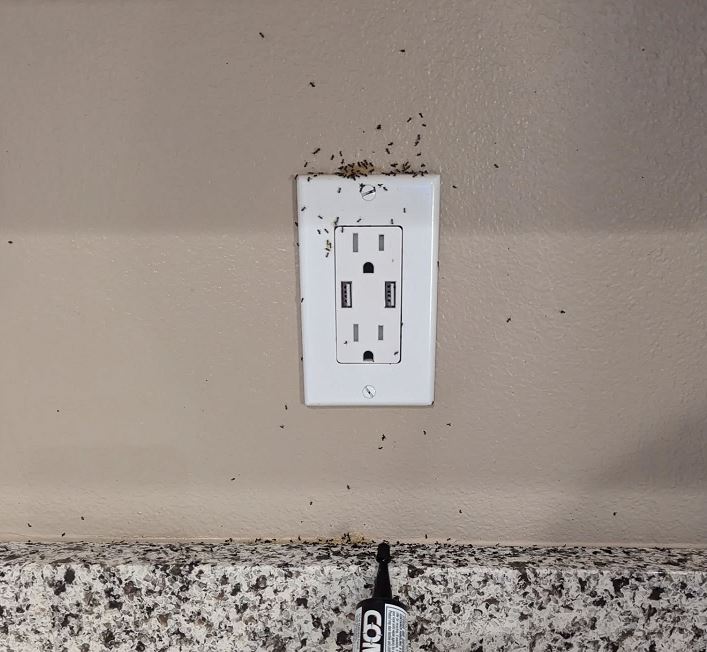
- Ants are in electrical outlets or wall voids
- You’re dealing with pharaoh ants (require special baits)
- The infestation covers multiple areas of your home
Texas pest control companies have access to professional-grade products and understand local ant behaviors and seasonal patterns.
Seasonal Guide: Sugar Ant Activity in Texas
| Season | Ant Behavior | Homeowner Action |
|---|---|---|
| Winter (Dec-Feb) | Reduced outdoor activity; indoor foraging continues | Focus on indoor prevention; monitor for trails |
| Spring (Mar-May) | Mating flights; new colony formation | Exterior perimeter treatments; seal entry points |
| Summer (Jun-Aug) | Peak foraging; seeking water sources | Eliminate moisture; maintain baits; trim vegetation |
| Fall (Sep-Nov) | Preparing for winter; aggressive foraging | Final exterior treatment; stock up on bait supplies |
Natural Predators: Texas Wildlife That Help Control Ants
Encourage these native Texas species in your yard:
- Texas horned lizard: Consumes hundreds of ants daily
- Spider wasps (especially Pepsis spp.): Parasitize ant colonies
- Antlions: Create pit traps in sandy soil
- Some bird species: Roadrunners, woodpeckers, and sparrows
Long-Term Management: Integrated Pest Management (IPM) for Texas Homes
The most effective approach combines multiple strategies:
- Inspection: Monthly checks of foundation, windows, and doors
- Identification: Know which species you’re dealing with
- Prevention: Ongoing maintenance to make your home less attractive
- Treatment: Targeted interventions when needed
- Monitoring: Continuously assess effectiveness
Conclusion: Winning the War Against Texas Sugar Ants
Sugar ants in Texas are a persistent but manageable problem. Through proper identification, consistent prevention, and strategic treatment, homeowners can protect their properties from these tiny invaders. Remember that complete eradication is often unrealistic, but effective control is absolutely achievable.
Final Texas-Specific Recommendations:
- Work with neighbors on community-wide prevention
- Consult Texas A&M AgriLife Extension for localized advice (https://agrilifeextension.tamu.edu/)
- Adapt your strategies to your specific Texas ecoregion
- Be patient and persistent—ant control is an ongoing process
By implementing the strategies outlined in this guide, you’ll be well-equipped to handle sugar ant challenges and enjoy a sweeter, ant-free Texas home.