
The Most Common Ants in Arkansas: A Complete Identification Guide

Arkansas’s diverse ecosystems, from the Ozark Mountains to the Delta wetlands, create ideal habitats for numerous ant species. Whether you’re a homeowner dealing with an invasion, a gardener noticing crop damage, or a nature enthusiast curious about local insects, understanding Arkansas’s most common ants is essential. This comprehensive guide will help you identify, understand, and manage the ant species you’re most likely to encounter in The Natural State.
Why Ant Identification Matters in Arkansas
Proper ant identification is the first step toward effective management. Different species pose different problems—some are merely nuisance pests, others can damage property, and a few can deliver painful stings. Additionally, correct identification helps avoid unnecessary pesticide use, protecting both your family and Arkansas’s rich biodiversity.
The 10 Most Common Ant Species in Arkansas
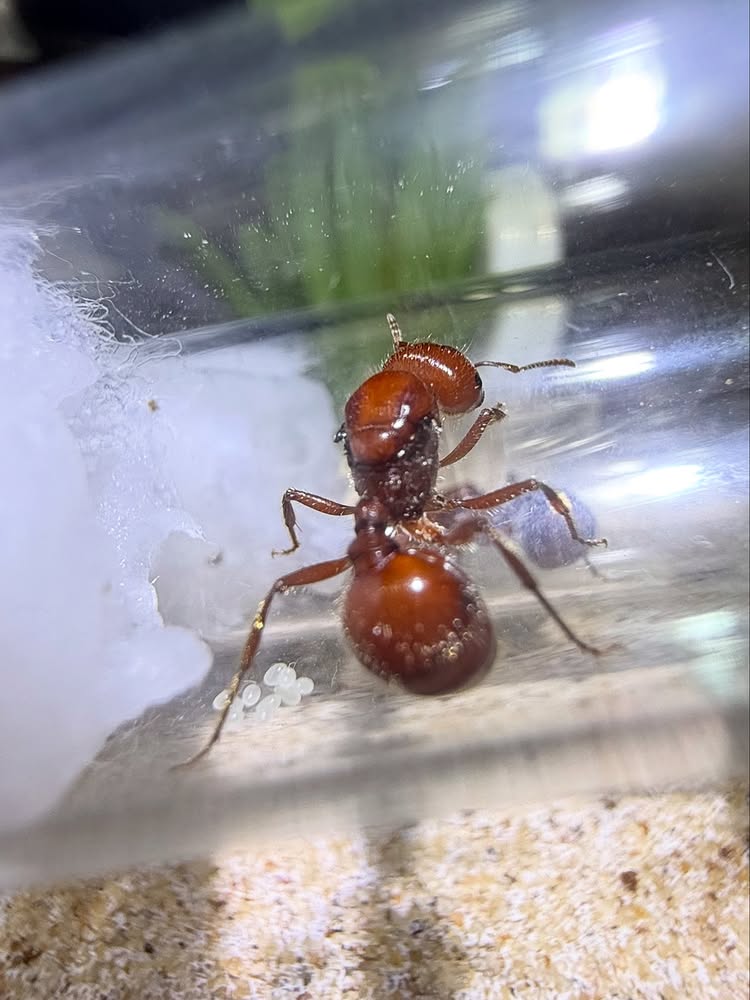
1. Red Imported Fire Ant (Solenopsis invicta)
- Identification: Copper-brown head and body with darker abdomen, 1/8 to 1/4 inch long
- Nesting Habits: Build large mound nests in open areas, often near moisture
- Behavior: Aggressive when disturbed, deliver painful stings
- Seasonal Activity: Most active spring through fall
- Risk Level: High (medical significance)
Fire ants are Arkansas’s most notorious ant species, accidentally introduced from South America. Their mound-building can damage lawn equipment and agricultural operations, while their stings pose serious risks to humans, pets, and livestock. According to the University of Arkansas Cooperative Extension Service, fire ants have spread to nearly every county in the state.
2. Carpenter Ant (Camponotus spp.)
- Identification: Large (1/4 to 1/2 inch), black or red and black
- Nesting Habits: Excavate moist, decaying wood to create galleries
- Behavior: Nocturnal foragers, don’t eat wood but excavate it
- Seasonal Activity: Spring swarmers (reproductives)
- Risk Level: Medium-High (property damage)
Arkansas hosts several carpenter ant species that can cause significant structural damage if they infest building timbers. They’re often confused with termites but have distinct differences including dark coloration and elbowed antennae.
3. Acrobat Ant (Crematogaster spp.)
- Identification: Small (1/8 inch), heart-shaped abdomen raised when disturbed
- Nesting Habits: Moist wood, sometimes in insulation or foam boards
- Behavior: Trail along utility lines, trees touching structures
- Seasonal Activity: Spring through fall
- Risk Level: Low-Medium (nuisance, minor property damage)
These ants get their name from their unique defensive posture. While they can infest structures, they’re generally less destructive than carpenter ants.
4. Odorous House Ant (Tapinoma sessile)
- Identification: Small (1/8 inch), brown to black, rotten coconut odor when crushed
- Nesting Habits: Indoors in wall voids, under floors; outdoors under mulch
- Behavior: Form extensive trailing networks, love sweets
- Seasonal Activity: Year-round indoors
- Risk Level: Low (nuisance contaminator)
This common household invader is notorious for its scent when crushed and its persistence in finding food sources inside Arkansas homes.
5. Pavement Ant (Tetramorium immigrans)
- Identification: Small (1/8 inch), dark brown to black, parallel grooves on head
- Nesting Habits: Under sidewalks, driveways, and foundation slabs
- Behavior: Aggressive toward other ant colonies
- Seasonal Activity: Spring through fall
- Risk Level: Low (nuisance)
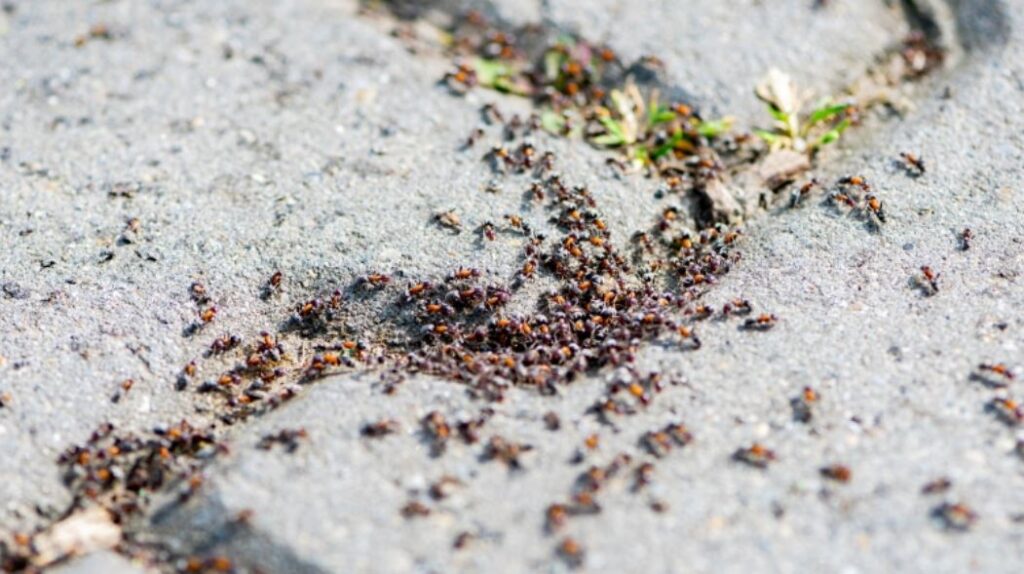
These European immigrants have adapted well to urban environments throughout Arkansas, creating characteristic dirt craters between pavement cracks.
6. Little Black Ant (Monomorium minimum)
- Identification: Tiny (1/16 inch), jet black
- Nesting Habits: Lawns, under stones, in rotting wood
- Behavior: Large colonies with multiple queens
- Seasonal Activity: Summer peaks
- Risk Level: Low (nuisance)
Despite their small size, these ants can form supercolonies and become persistent invaders in Arkansas homes, particularly in kitchen areas.
7. Argentine Ant (Linepithema humile)
- Identification: Small (1/8 inch), light to dark brown, uniform coloration
- Nesting Habits: Prefer moist areas near food sources
- Behavior: Form massive colonies with multiple queens
- Seasonal Activity: Year-round in mild climates
- Risk Level: Low-Medium (nuisance, ecological disruptor)
While more common in southern states, Argentine ants have established populations in parts of Arkansas and can displace native ant species.
8. Field Ant (Formica spp.)
- Identification: Medium (1/4 inch), coloration varies by species
- Nesting Habits: Build mound nests in fields and lawns
- Behavior: Some species protect aphids for honeydew
- Seasonal Activity: Spring through fall
- Risk Level: Low (mostly beneficial)
Several Formica species call Arkansas home. They’re generally considered beneficial but can become pests when they mound in lawns or protect honeydew-producing insects.
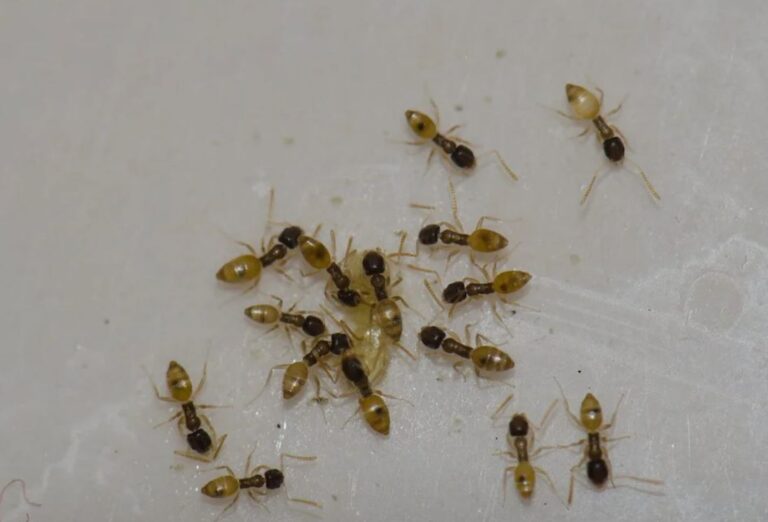
9. Cornfield Ant (Lasius alienus)
- Identification: Small (1/8 inch), yellow-brown to dark brown
- Nesting Habits: Soil, under stones, in rotting wood
- Behavior: Tend aphids and mealybugs for honeydew
- Seasonal Activity: Spring through fall
- Risk Level: Low (mostly beneficial)
Common in agricultural areas, these ants can protect crop pests but also improve soil structure through their nesting activities.
10. Velvety Tree Ant (Liometopum luctuosum)
- Identification: Medium (1/4 inch), black with reddish thorax, velvety appearance
- Nesting Habits: Trees, stumps, sometimes structural wood
- Behavior: Aggressive when disturbed, forage in trails
- Seasonal Activity: Spring through fall
- Risk Level: Medium (nuisance, can infest structures)
While less common than other species, these ants are notable for their appearance and occasional structural infestations in Arkansas.
Comparison Table: Arkansas’s Most Common Ants
| Species | Size | Color | Nesting Preference | Primary Risk | Season Most Active |
|---|---|---|---|---|---|
| Red Imported Fire Ant | 1/8-1/4 inch | Copper-brown to dark brown | Mounds in open areas | Painful stings, property damage | Spring-Fall |
| Carpenter Ant | 1/4-1/2 inch | Black or red/black combination | Moist, decaying wood | Structural damage | Spring (swarmers) |
| Acrobat Ant | 1/8 inch | Light brown to black | Moist wood, insulation | Minor property damage | Spring-Fall |
| Odorous House Ant | 1/8 inch | Brown to black | Wall voids, under floors | Food contamination | Year-round |
| Pavement Ant | 1/8 inch | Dark brown to black | Under pavement, slabs | Nuisance | Spring-Fall |
| Little Black Ant | 1/16 inch | Jet black | Lawns, under stones | Nuisance | Summer |
| Argentine Ant | 1/8 inch | Light to dark brown | Moist areas near food | Ecological disruption | Year-round |
| Field Ant | 1/4 inch | Varies by species | Mounds in fields | Lawn damage (minor) | Spring-Fall |
| Cornfield Ant | 1/8 inch | Yellow-brown to dark brown | Soil, rotting wood | Protects crop pests | Spring-Fall |
| Velvety Tree Ant | 1/4 inch | Black with reddish thorax | Trees, structural wood | Nuisance, minor damage | Spring-Fall |
Arkansas Ant Activity by Season
Spring (March-May)
- Carpenter ants become active and reproductive swarms may appear
- Fire ants begin mound building and become more aggressive
- Most species start foraging more actively as temperatures rise
Summer (June-August)
- Little black ants and odorous house ants often invade homes seeking water
- Fire ant activity peaks, with increased stinging incidents
- Ant foraging is most noticeable during this period
Fall (September-November)
- Many species increase foraging to prepare for winter
- Carpenter ants may invade structures seeking overwintering sites
- Fire ants remain active until first hard frost
Winter (December-February)
- Most species become dormant or less active
- Odorous house ants and pavement ants may continue indoor activity
- Carpenter ants in structures may remain active in heated buildings
Regional Distribution in Arkansas
Northwest Arkansas (Ozark Region)
- Carpenter ants are particularly common due to wooded areas
- Field ants thrive in the mixed forest and field habitats
- Fire ants are present but less dense than in southern regions
Central Arkansas
- Highest diversity due to varied habitats
- Fire ants, carpenter ants, and odorous house ants all common
- Urban areas see more pavement ants and Argentine ants
Southern and Eastern Arkansas (Delta Region)
- Fire ants are most dense and problematic
- Acrobat ants common in moist wooded areas
- Cornfield ants abundant in agricultural zones
Prevention and Management Tips for Arkansas Homeowners
Exclusion Methods
- Seal cracks and crevices in foundations
- Install door sweeps and repair damaged screens
- Trim vegetation away from structures
- Store firewood away from the house and elevated off the ground
Sanitation Practices
- Clean up food spills immediately
- Store food in airtight containers
- Manage garbage with tight-fitting lids
- Eliminate standing water sources
Landscape Management
- Keep mulch away from foundations (6-12 inch barrier)
- Manage aphids and other honeydew-producing insects on plants
- Regularly inspect for mound-building species
- Consider using ant-repelling plants like mint near entry points
When to Call a Professional Pest Control Service in Arkansas
Consider professional help when:
- You have a carpenter ant infestation (structural damage risk)
- Fire ant mounds are numerous or near high-traffic areas
- DIY methods have failed after several weeks
- You’re experiencing allergic reactions to stings
- The infestation is inside walls or other inaccessible areas
The Ecological Role of Ants in Arkansas
Despite being pests in human environments, ants play crucial roles in Arkansas ecosystems:
- Soil aeration: Their tunneling improves soil structure and nutrient cycling
- Seed dispersal: Many native plants rely on ants to spread their seeds
- Pest control: Ants consume many insect pests
- Food source: They’re important prey for birds, reptiles, and other insects
Conclusion
Arkansas hosts a diverse array of ant species, each with unique characteristics and behaviors. From the notorious red imported fire ant to the tiny odorous house ant, understanding these common insects is key to effective management. By learning to identify local species, their habits, and seasonal patterns, Arkansas residents can better protect their homes while appreciating the ecological roles these fascinating insects play in The Natural State’s environments.
Remember that not all ants require control measures—many are beneficial or harmless. When intervention is necessary, integrated pest management approaches that combine exclusion, sanitation, and targeted treatments are most effective and environmentally responsible. For persistent or dangerous infestations, consult with a licensed Arkansas pe