
Do Squirrels Eat Ants? The Surprising Truth About Squirrel Diets

When you picture a squirrel, you likely imagine it munching on an acorn or raiding a bird feeder. But does this common backyard visitor ever indulge in insects like ants? The question “do squirrels eat ants?” opens a fascinating window into the complex, adaptable diets of these agile rodents. While not a primary food source, squirrels are opportunistic omnivores, and ants can occasionally appear on their menu—especially when other resources are scarce.
This comprehensive guide will explore the nuanced relationship between squirrels and ants, examining scientific evidence, behavioral observations, and nutritional comparisons to give you a definitive answer optimized for search engines and curious minds alike.
The Omnivorous Nature of Squirrels: Beyond Nuts and Seeds
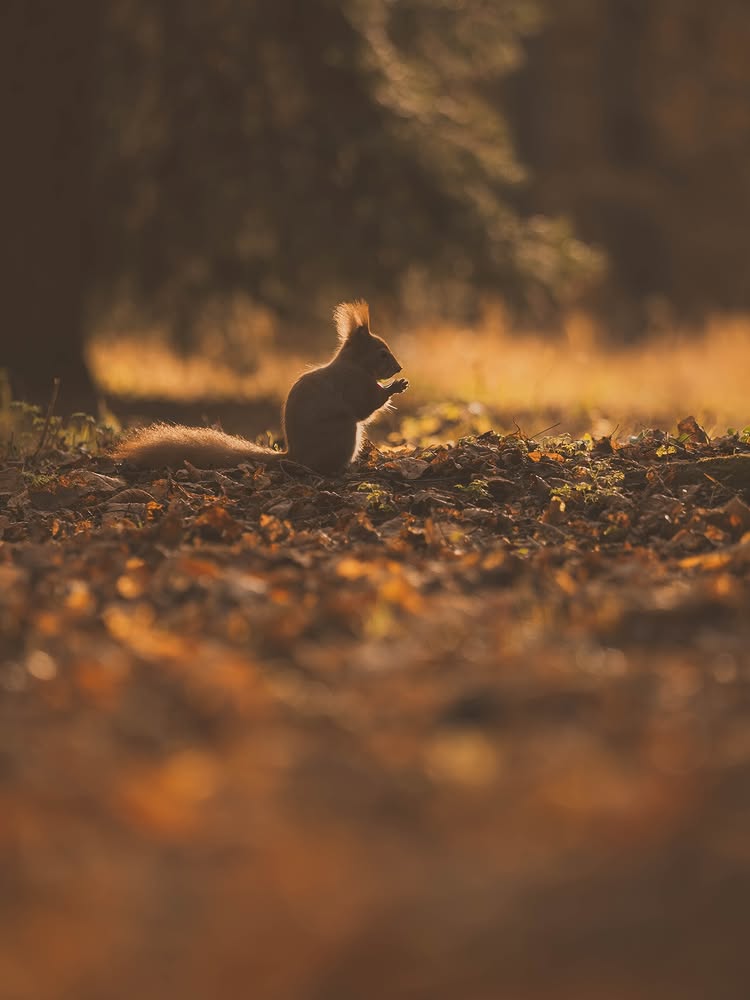
Contrary to popular belief, squirrels are not strict herbivores. Most species, including the familiar Eastern Gray Squirrel and Fox Squirrel, are opportunistic omnivores. This means their diet primarily consists of plant matter but can expand to include animal-based proteins when the situation demands.
Typical Squirrel Diet Includes:
- Plant-Based: Nuts (acorns, walnuts, hickory), seeds, tree buds, fruits, berries, fungi, and tree bark.
- Animal-Based: Insects, small birds, bird eggs, caterpillars, and yes—occasionally ants.
This dietary flexibility is a key survival adaptation, allowing squirrels to thrive in diverse environments from dense forests to urban parks.
Do Squirrels Actively Hunt and Eat Ants?
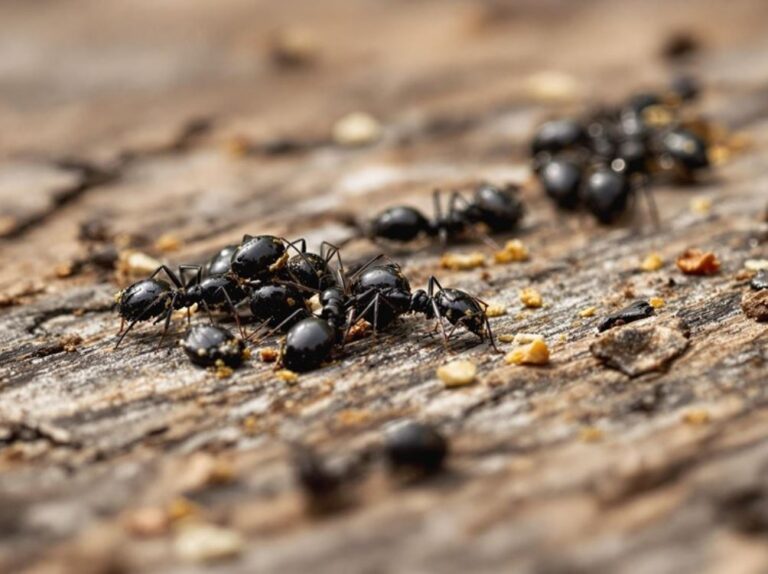
The direct answer is yes, squirrels do eat ants, but not as a preferred or regular meal. Ant consumption generally falls into two categories:
- Incidental Ingestion: Squirrels may accidentally consume ants while foraging for seeds or fungi on the ground. Ants are small and abundant, making them easy to ingest unintentionally.
- Opportunistic Feeding: During periods of food scarcity—such as late winter or drought—squirrels may deliberately seek out protein-rich insects, including ants, to supplement their diet. Young squirrels and nursing mothers also have higher protein demands and may consume more insects.
Behavioral Evidence and Scientific Observations
Field studies have documented squirrels digging into ant hills or probing rotten logs where ants congregate. Squirrels possess sharp incisors and dexterous paws, allowing them to access ant colonies, though they lack the specialized tongue of an anteater. They typically eat the ants quickly to avoid being bitten.
Nutritional Comparison: What Do Ants Offer Squirrels?
To understand why a squirrel might eat ants, let’s examine the nutritional value. The table below compares the key nutrients found in ants versus a squirrel’s staple food.
Table 1: Nutritional Value of Ants vs. Acorns (Per 100g approx.)
| Nutrient | Ants (Mixed Species) | Acorns (Oak Nuts) | Benefit to Squirrel |
|---|---|---|---|
| Protein | Very High (40-60g) | Low (6-8g) | Supports muscle growth, tissue repair, and lactation. |
| Fats | Moderate (30-40g) | High (50-60g) | Provides concentrated energy for activity and winter survival. |
| Carbohydrates | Low (<10g) | Moderate (20-30g) | Quick energy source. |
| Minerals (Iron, Zinc, Mg) | Exceptionally High | Moderate | Boosts immune function and metabolic processes. |
| Chitin (Fiber) | High (from exoskeleton) | Very Low | Aids digestion, though hard to digest in large amounts. |
Key Takeaway: Ants are a protein and mineral powerhouse. For a squirrel needing a rapid protein boost—especially a growing juvenile or a mother feeding kits—ants provide a valuable, if small-packaged, resource. However, they are less efficient as a primary energy (calorie) source compared to fatty nuts.
Risks and Drawbacks: Why Ants Aren’t a Staple Food
Despite the nutritional upside, several factors prevent ants from becoming a squirrel dietary staple.
Table 2: Pros and Cons of Ants as Squirrel Food
| Advantages for Squirrel | Disadvantages for Squirrel |
|---|---|
| High protein and mineral content. | Low Caloric Return: It takes immense effort to collect enough ants to meet daily energy needs. |
| Readily available in most habitats. | Defensive Attacks: Ants bite and spray formic acid, which can irritate a squirrel’s mouth and digestive tract. |
| Requires no storage (live prey). | Digestive Challenges: The hard chitin exoskeleton is difficult to digest in large quantities. |
| Supports diet diversification. | Competition & Danger: Raiding ant colonies can attract predators or aggressive ant species. |
The formic acid some ant species produce is a particular deterrent. While not lethal, it can cause discomfort, making the meal hardly worth the effort unless the squirrel is desperate.
Squirrel Species Comparison: Who’s Most Likely to Eat Ants?
Not all squirrels have the same dietary habits. Ground-dwelling species are far more likely to encounter and consume ants than tree-dwelling (arboreal) species.
Table 3: Likelihood of Ant Consumption by Squirrel Type
| Squirrel Species / Type | Primary Habitat | Likelihood to Eat Ants | Reasoning |
|---|---|---|---|
| Eastern Gray Squirrel | Arboreal (Trees) | Low-Occasional | Forages mainly in trees; ants are incidental. |
| Fox Squirrel | Arboreal & Ground | Occasional | Forages widely on ground, increasing ant encounters. |
| Ground Squirrel | Burrows / Ground | Frequent | Spends most time on soil, actively digs, and encounters ant colonies regularly. |
| Flying Squirrel | Nocturnal / Arboreal | Rare | Diet focuses on lichen, fungi, nuts; less insect-focused. |
| Red Squirrel | Arboreal | Very Low | Highly specialized on conifer seeds; less opportunistic. |
Ecological Role: Squirrels, Ants, and Garden Health
This dynamic has implications for your backyard ecosystem. Squirrels eating ants is a minor form of natural pest control. While they won’t eliminate a colony, their occasional digging can disrupt ant mounds and slightly reduce local populations.
Conversely, the relationship is not one-way. Carpenter ants can inhabit dead trees, weakening structures that tree squirrels rely on for nesting. Furthermore, squirrels and ants often compete for the same food, such as fallen fruit or seeds.
Conclusion: The Verdict on Squirrels and Ants
So, do squirrels eat ants? Yes, they can and do, but infrequently and opportunistically. Ants are not a sought-after delicacy but rather a survival food or accidental protein supplement. The squirrel’s primary evolutionary strategy is as a forager and hoarder of plant matter, not an insect hunter.
The key points to remember are:
- Squirrels are opportunistic omnivores, not strict vegetarians.
- Ants provide high-quality protein and minerals but are low in calories and hard to digest.
- Ground squirrels are much more likely to eat ants than tree squirrels.
- This behavior is most common during food shortages or for squirrels with high protein needs.
- The defenses of ants (bites, acid) make them an unappealing regular meal.
Understanding this nuanced diet helps us appreciate the squirrel’s remarkable adaptability. These resilient creatures are equipped to exploit virtually any available food source in their environment—ensuring their survival from deep forests to our very own backyards.