
Carpenter Ants in Wisconsin: Identification, Prevention, and Control Guide

Introduction
Carpenter ants are one of the most common and destructive pests found in Wisconsin homes and structures. Unlike termites, they do not eat wood but excavate it to build extensive nests, which can compromise the structural integrity of buildings over time. For Wisconsin residents, understanding these ants is crucial due to the state’s climate and abundant wooden structures. This comprehensive, SEO-optimized guide will help you identify, prevent, and address carpenter ant infestations effectively.
What Are Carpenter Ants?
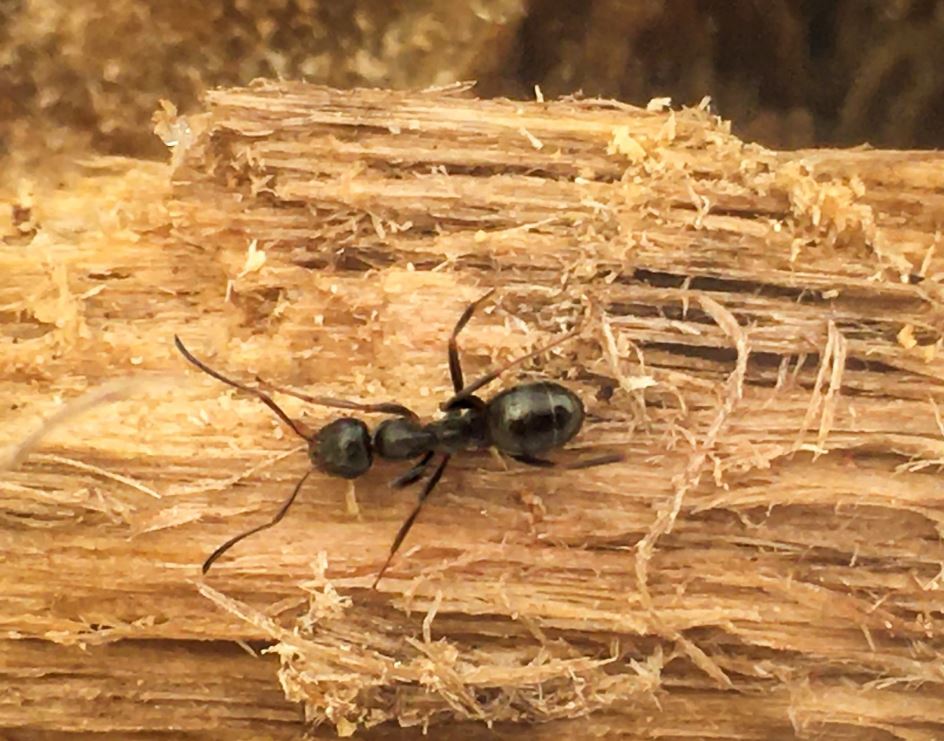
Carpenter ants (Camponotus spp.) are large ants, typically black, red, or a combination, known for nesting in moist or decaying wood. Wisconsin is home to several species, with the black carpenter ant being the most prevalent. They are most active during warmer months (spring and summer) but can remain active indoors year-round.
Signs of a Carpenter Ant Infestation in Wisconsin
Early detection is key to preventing significant damage. Look for these telltale signs:
- Sightings of Large Ants: Seeing large, wingless ants indoors, especially in kitchens or bathrooms, is a primary indicator.
- Frass: Piles of coarse, sawdust-like material (called frass) containing insect parts, which they push out of their galleries.
- Rustling Sounds: Faint rustling noises inside walls or woodwork.
- Swarmers: The appearance of winged reproductive ants (swarmers) indoors in spring indicates an established, mature colony.
- Moisture Problems: Since they prefer damp wood, recurring moisture issues often accompany infestations.
Carpenter Ants vs. Termites: A Critical Wisconsin Comparison
Many Wisconsin homeowners confuse carpenter ants with termites. This table clarifies the key differences.
| Feature | Carpenter Ants | Termites |
|---|---|---|
| Body Shape | Pinched “waist” (thorax & abdomen) | Straight, broad waist |
| Antennae | Bent or “elbowed” | Straight, bead-like |
| Wings (If Present) | Front wings longer than hind wings; wings discarded after swarming | Four wings of equal length; wings not easily discarded |
| Wood Damage | Excavate smooth, clean galleries; do not consume wood | Create rough, muddy galleries; consume wood |
| Frass | Sawdust-like with insect parts | Granular, uniform pellets (drywood) or mud-like (subterranean) |
The Lifecycle and Habitat in Wisconsin’s Climate
Wisconsin’s distinct seasons directly impact carpenter ant behavior. Colonies are mostly dormant in winter but become active as temperatures rise in April-May.
- Spring/Summer: Foraging increases. Swarmers leave established colonies to mate and start new satellite colonies. This is when most homeowners notice activity.
- Fall/Winter: Outdoor colonies prepare for dormancy. If ants are indoors, they may remain active near heat and moisture sources.
They often establish a parent colony outdoors in a stump, dead tree, or landscape timber. From there, they create satellite colonies inside nearby structures, targeting areas with moisture damage like eaves, window frames, doorframes, roofs, and crawl spaces.
How to Prevent Carpenter Ants in Your Wisconsin Home
Prevention focuses on eliminating attractants and entry points.
- Moisture Control: Fix leaky roofs, pipes, and faucets. Ensure proper grading, downspouts, and gutters. Ventilate crawl spaces and attics.
- Wood-to-Ground Contact: Remove stumps, dead trees, and firewood stored against the house. Use concrete foundations.
- Seal Entry Points: Caulk cracks and crevices in the foundation, around windows, doors, and utility lines.
- Landscape Management: Trim tree branches and shrubs so they do not touch the house, creating ant highways.
- Cleanliness: Keep food sealed and clean up spills and crumbs promptly.
Treatment and Control Options
For active infestations, consider the following approaches. Treatment often requires locating the nest(s).
| Method | Best For | Description & Considerations |
|---|---|---|
| DIY Baits & Insecticides | Minor, localized foraging activity. | Gel or granular baits can be effective if ants take them back to the nest. Surface sprays often only kill visible ants, not the colony. |
| Professional Pest Control | Established infestations, hidden nests, recurring problems. | Most Effective Method. Pros use advanced tools to locate nests and apply targeted, long-lasting insecticides and baits. Crucial for structural threats. |
| Non-Chemical Controls | Prevention or supplement to treatment. | Replacing moisture-damaged wood, physical destruction of accessible nests (e.g., in a wall void). |
Important Note: In Wisconsin, extensive damage to structural wood always requires repair by a licensed contractor after the ant colony is eliminated.
When to Call a Professional Pest Control Service in Wisconsin
Contact a licensed Wisconsin pest management professional if:
- You see persistent ants or frass indoors.
- You find a colony or damage inside your home.
- You hear sounds in walls.
- DIY methods have failed after several weeks.
- You are unsure of the pest (termite vs. ant).
Conclusion
Carpenter ants pose a genuine threat to Wisconsin properties due to their wood-excavating habits and the state’s prevalence of wooden structures and seasonal moisture. By learning to identify them, implementing rigorous prevention strategies, and acting swiftly at the first signs of an infestation—including enlisting professional help when needed—homeowners can protect their investments from costly damage. Regular property inspections, particularly in spring and fall, are your best defense against these silent invaders.