
Are Ants Attracted to Vinegar? The Surprising Truth

If you’ve ever battled an ant invasion in your kitchen, you’ve likely heard that vinegar is a powerful deterrent. But is that really true? Are ants attracted to vinegar, or do they hate it? This article cuts through the myths and provides science-backed answers, helping you understand ant behavior and how to use vinegar effectively in your pest control arsenal. Understanding the relationship between ants and vinegar can save you time and effort in keeping your home ant-free.
The Short Answer: Vinegar as a Repellent
No, ants are not attracted to vinegar. In fact, vinegar disrupts their scent trails and acts as a natural repellent. Ants rely on pheromone trails to navigate and communicate. Vinegar’s strong acetic acid content erases these chemical pathways, confusing and deterring worker ants. While the smell might initially draw curious scouts (as any strong odor might), it does not attract them in the way that sugary or protein-based baits do. Instead, it ultimately disrupts their systems and drives them away.
Why Vinegar Repels Ants: The Science of Scent
Ants are olfactory-driven creatures. Their world is built on scent communication.
- Pheromone Disruption: Foraging ants lay down a pheromone trail from a food source back to the nest. Other ants follow this trail. Vinegar’s acidity breaks down these pheromone molecules, effectively “erasing” the highway signs. Without a trail, ants become disoriented and cannot coordinate an invasion.
- Overpowering Odor: The potent smell of acetic acid overwhelms their sensitive antennae, masking the smells of actual food targets in your home.
- Toxicity in High Concentrations: Direct contact with strong vinegar solutions can disrupt an ant’s nervous system and even prove fatal, making it an effective contact cleaner in high doses.
Vinegar vs. Common Ant Attractants: A Comparison
The table below clearly shows why vinegar is not an attractant but a tool for disruption.
| Substance | Are Ants Attracted? | Primary Reason | Practical Use in Pest Control |
|---|---|---|---|
| Vinegar | No | Disrupts pheromones; strong odor repels. | Clean trails, break cycles, repel. |
| Sugar / Honey | Yes | High-energy carbohydrate source. | Used in bait stations to attract and poison. |
| Grease / Protein | Yes (Some species) | Necessary for larval development. | Used in protein-based baits for specific ants. |
| Water | Yes (During dry periods) | Essential for survival. | Eliminate standing water to deter colonies. |
| Baking Soda | No | Not a food source; can be toxic if ingested. | Often mixed with sugar bait for a toxic effect. |
How to Use Vinegar Effectively Against Ants
Using vinegar correctly is key to its success. Follow this step-by-step guide.
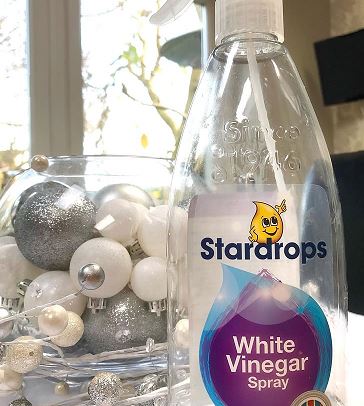
Solution Recipe: Mix a 1:1 solution of white distilled vinegar and water in a spray bottle. For heavier infestations or outdoor entry points, you can use straight vinegar.
Application Protocol:
- Locate the Trail: Follow the line of ants to find their entry point if possible.
- Clean Thoroughly: Spray the solution directly onto the ant trail, entry points (windowsills, door frames, cracks), and countertops. Wipe clean with a cloth.
- Eliminate the Scent: Spray and wipe areas where you’ve seen ants, even if they’re not currently there, to remove residual pheromones.
- Repeat: Reapply daily for at least one week to break the foraging cycle. Persistence is crucial, as scout ants will return.
Limitations & Considerations
While effective, vinegar isn’t a complete, stand-alone solution.
- Temporary Solution: It repels and cleans but does not kill the colony. The nest and queen remain unaffected.
- Surface Damage: Always test on a hidden area, as vinegar can damage some surfaces like natural stone, waxed wood, or certain grouts.
- Strong Odor: The smell, while temporary, can be unpleasant for homeowners.
- Not a Silver Bullet: For large infestations, combine vinegar cleaning with ant baits (which attract ants with poison they carry back to the nest) and sealing entry points.
FAQ: Your Ant and Vinegar Questions, Answered
Q: Do ants hate the smell of vinegar?
A: Yes. The strong, acidic scent disrupts their communication and foraging, effectively repelling them.
Q: What type of vinegar works best?
A: White distilled vinegar is most effective and affordable. Apple cider vinegar has a fruitier scent that may be less reliably repellent.
Q: Can I use vinegar to kill ants?
A: Direct spraying can kill some ants on contact due to acidity, but it is not a reliable extermination method. Its primary value is as a repellent and trail destroyer.
Q: What are ants most attracted to?
A: This depends on the species. Common household ants (like odorous house ants) are attracted to sweets. Others (like grease ants) seek fats and proteins. Correct identification is key to effective baiting.
Q: Is a vinegar solution safe to use around pets and children?
A: Yes, once dried. It’s a non-toxic alternative to chemical pesticides. Keep pets and children away during application as the strong smell can be irritating.
Conclusion & Key Takeaways
Vinegar is not an attractant but a powerful, natural tool to repel ants and destroy their scent trails. It is an excellent first line of defense for preventing ant invasions and should be part of an integrated pest management strategy.
To permanently solve an ant problem:
- Disrupt with vinegar cleaning.
- Bait using appropriate attractants (sugar or protein-based) to target the colony.
- Seal entry points with caulk.
- Remove attractants like dirty dishes, crumbs, and accessible pet food.
By understanding ant behavior and using vinegar strategically, you can maintain a cleaner, ant-free home using a simple, eco-friendly solution.