
The Unseen Buffet: What Attracts Black Ants to Your Home and Garden

Black ants, often called “odorous house ants” or “little black ants,” are among the most common household invaders. While they play a crucial role in ecosystems by aerating soil and controlling pest populations, their indoor foraging parties are rarely welcome. Understanding what attracts black ants is the first and most powerful step in effective prevention and control. This guide delves into the science and scenarios that turn your space into an ant magnet.
Dr. Eleanor Vance, an urban entomologist, notes: “Ants are not random explorers. They are systematic foragers driven by powerful chemical signals and colony needs. When you see a trail of black ants, you’re witnessing a highly efficient supply chain responding to specific attractants in your environment.”
Primary Attractants: The Black Ant Menu
Black ants are opportunistic omnivores, meaning their attraction cues are broad but predictable. Their preferences can be categorized into a few key areas.
1. Food Sources: Sugar, Protein, and Grease
This is the primary draw. Worker ants scout for food to bring back to the colony to feed the queen and larvae.
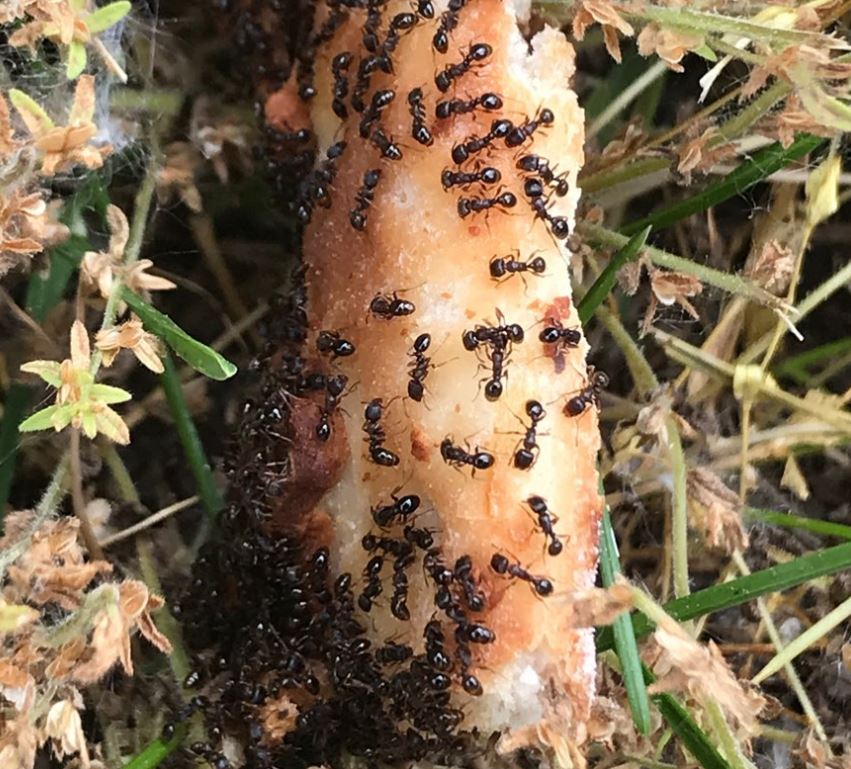
- Sweet Substances (Carbohydrates): This is their biggest weakness. They are drawn to honeydew produced by aphids, spilled soda, fruit juice, syrup, candy, and ripe fruits.
- Proteins: Especially in spring during brood rearing, ants seek proteins. This includes pet food, crumbs from meat, dead insects, and nut butters.
- Fats and Greases: Cooking oils, butter, and greasy food residues are high-energy targets.
2. Moisture and Water
Even more urgent than food is the need for water, especially during dry or hot periods. Leaky pipes, condensation, damp wood, standing water in sinks, and even overwatered potted plants can create a hydration station for ants.
3. Shelter and Nesting Sites
Ants may be attracted to the structure of your home itself for nesting.
- Warmth: In cooler weather, the consistent warmth of a wall near a kitchen or bathroom is attractive.
- Protected Spaces: Gaps in siding, cracks in foundation, spaces under flooring, and insulation provide ideal, undisturbed nesting sites.
- Soft, Damaged Wood: While not termites, some black ants will nest in soft, moist, or rotting wood.
Seasonal Attraction Patterns
What attracts black ants can shift with the seasons and the colony’s lifecycle.
| Season | Primary Attraction | Colony Activity |
|---|---|---|
| Spring | Proteins & Fats | High brood production. Scouts aggressively seek protein to feed growing larvae. |
| Summer | Sugars & Water | Peak foraging. Focus on carbohydrates for energy and water to combat heat/dryness. |
| Fall | Proteins & Fats | Preparation for winter. Colony builds up resources, shifting back to protein stores. |
| Winter | Indoor Warmth & Food | If nested near a structure, they may move indoors, attracted by consistent heat and any available food. |
Common Black Ant Species and Their Preferences
Not all “black ants” are identical. Here’s a quick comparison of two common invaders:
| Feature | Odorous House Ant (Tapinoma sessile) | Little Black Ant (Monomorium minimum) |
|---|---|---|
| Size | 1/16 to 1/8 inch | Very small, 1/16 inch |
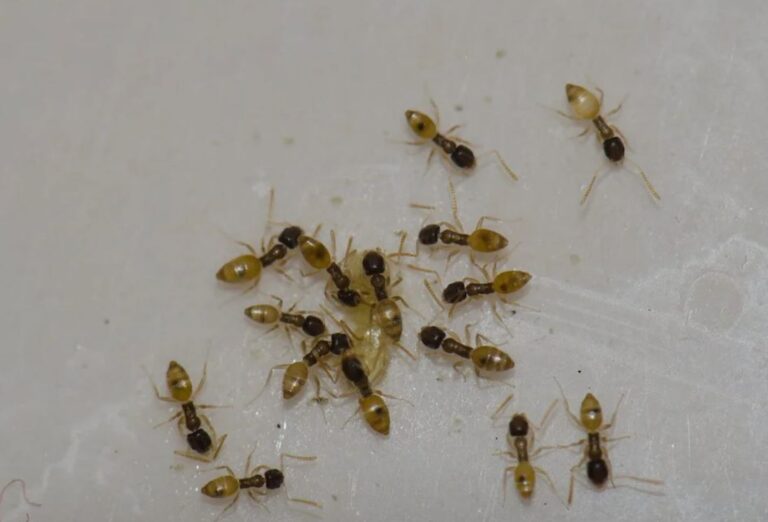
| Key Identifier | Rotten coconut odor when crushed | No strong odor; shiny appearance |
| Primary Food Attraction | Strong preference for sweets. Loves honeydew from aphids. | More omnivorous; equal interest in sugars, proteins, and greases. |
| Nesting Preference | Loves moisture. Nests under floors, in wall voids near pipes, in insulation. | Prefers soil, under stones, but will enter structures for food. |
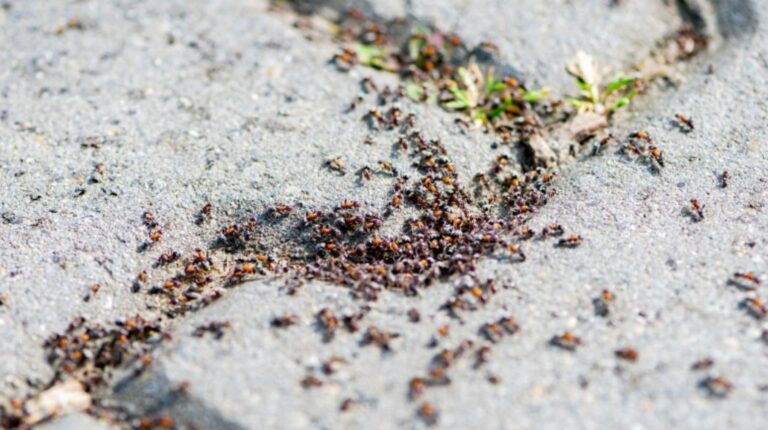
| Foraging Range | Can travel long trails (up to 50 ft) from nest to food. | Shorter, more localized trails. |
How to Break the Attraction: A Proactive Plan
Knowing what attracts them leads directly to effective solutions.
1. Eliminate Food Sources: This is 90% of the battle.
- Store food in airtight containers, especially sweets, pet food, and honey.
- Clean thoroughly and immediately. Wipe down counters, sweep floors, and clean up spills. Don’t forget sticky fridge handles and syrup bottles.
- Use vinegar or all-purpose cleaners to erase scent trails that guide other ants.
- Manage trash. Use cans with tight-fitting lids and take trash out regularly.
2. Eliminate Water Sources:
- Fix leaky faucets and pipes under sinks.
- Ensure proper drainage around your home’s foundation.
- Don’t overwater indoor plants.
3. Seal Entry Points:
- Caulk cracks and crevices in your home’s exterior, especially around windows, doors, and utility lines.
- Repair damaged wood or siding.
4. Manage Outdoor Attractants:
- Keep trees and shrubs trimmed so branches don’t touch your house.
- Clean up fallen fruit from trees.
- Control aphids and other honeydew-producing insects on your plants.
Pest control professional, Marcus Lee, advises: “Clients often focus on killing the ants they see. The real victory is making your property fundamentally uninteresting to them. It’s about changing the environment from ‘all-you-can-eat buffet’ to ‘no trespassing.'”
Conclusion: An Ounce of Prevention
Black ants are master survivalists, drawn by the fundamental needs of their colony: food, water, and shelter. Your home can inadvertently provide a perfect storm of these attractants. By adopting a proactive strategy focused on sanitation, moisture control, and exclusion, you can effectively break the cycle of attraction. Remember, the goal isn’t just to eliminate the visible trail, but to make your environment one that fails to send the “come and get it” signal in the first place.
Stay vigilant, address attractants promptly, and you can enjoy your space without hosting these uninvited, six-legged guests.