
Are Ants Attracted to Heat? The Surprising Truth

Introduction: The Heat-Seeking Insect Mystery
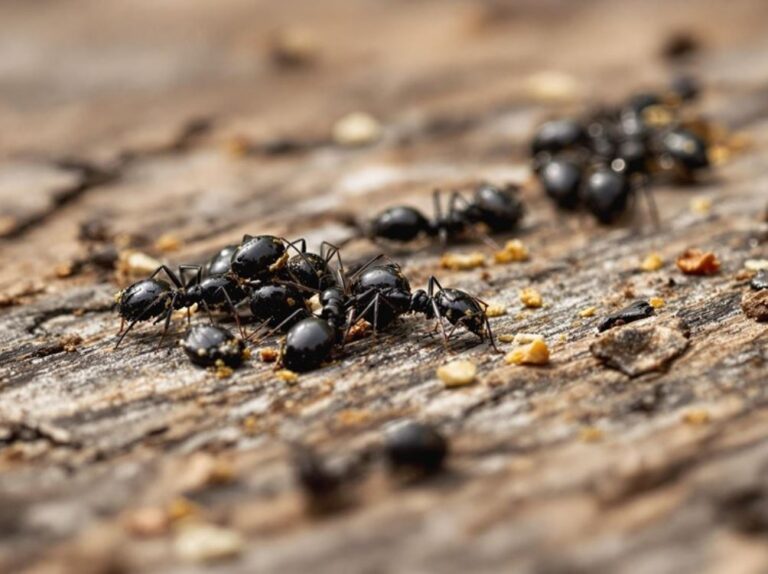
When you see a trail of ants marching across your kitchen counter or converging near your appliances, a common question arises: Are ants attracted to heat? The short answer is both yes and no, depending on the context. Ants are ectothermic (cold-blooded) creatures, meaning they don’t generate their own body heat and are highly influenced by environmental temperatures. While they aren’t inherently “attracted” to heat like moths to a flame, their survival-driven behavior often leads them to seek out warm areas under specific conditions.
This article will explore the complex relationship between ants and heat, dispel common myths, and provide actionable advice for homeowners.
How Temperature Influences Ant Behavior
Ants are highly sensitive to temperature changes. Their activity levels, metabolism, and even reproductive cycles are governed by thermal conditions.
- Optimal Activity Range: Most ant species thrive in temperatures between 75°F and 95°F (24°C to 35°C). Within this range, they are most active in foraging, building colonies, and caring for young.
- Cold Avoidance: As temperatures drop, ants’ metabolism slows. To survive, they will seek out warmer microclimates. This is why you might find them indoors near heating units, appliances, or sunlit walls in the winter.
- Heat Avoidance: Conversely, extreme heat can be deadly. During scorching summer days, ants will retreat deeper into their nests to stay cool and may become more active at night.
Common Household Heat Sources That Attract Ants (Indirectly)
Ants may appear to be “attracted” to these heat sources, but they are actually seeking the shelter, moisture, or food opportunities that often accompany them.
| Heat Source | Why Ants Gather Nearby | Common Ant Species |
|---|---|---|
| Kitchen Appliances (Refrigerator, Oven, Dishwasher) | Leaks provide moisture; food crumbs are abundant; motors generate consistent, mild warmth. | Odorous House Ants, Argentine Ants, Pharaoh Ants |
| Electrical Outlets & Wiring | Warmth from electrical current; gaps in walls provide entry points to shelter. | Carpenter Ants, Pavement Ants |
| HVAC Units & Heating Pipes | Consistent warmth in winter; condensation offers water; interior wall voids are sheltered highways. | Carpenter Ants, Thief Ants |
| Sunny Window Sills & Foundations | Warmth from sun exposure; often near cracks/entry points into the home. | Pavement Ants, Argentine Ants |
| Computers & Gaming Consoles | Steady operational heat; often located in crumb-prone areas (e.g., living rooms, desks). | Sugar-loving species like Pharaoh Ants |
Seasonal Patterns: Heat as a Guide
Ant behavior shifts dramatically with the seasons, clarifying their heat-associated movements.
- Spring & Summer: This is peak foraging season. Heat from the sun warms the ground, increasing ant activity outdoors. Incidental heat indoors is not a primary draw—food is.
- Fall & Winter: As soil temperatures fall, ants seek hibernation sites. Heat becomes a survival magnet. They are driven indoors to nest in warm, protected spaces like wall voids near heating pipes or behind kitchen kickboards.
Debunking the Myth: Heat vs. Food vs. Shelter
It’s crucial to distinguish between attraction and necessity.
- Primary Attractant = Food: The #1 reason ants invade your space is the search for proteins, fats, and especially sugars. Heat plays no role if there is no food source.
- Secondary Driver = Shelter/Moisture: A close second is the need for a safe, humid nest site, particularly for colony expansion or to escape harsh weather.
- Heat as a Byproduct: The warmth they sometimes seek is a byproduct of finding suitable shelter, not the goal itself. An appliance offers a warm, safe nesting spot and nearby food.
Comparison: Ant Species and Their Heat-Related Behaviors
Not all ants respond to heat cues in the same way. Here’s a breakdown:
| Ant Species | Heat-Seeking Behavior | Primary Indoor Attractant | Nesting Preference |
|---|---|---|---|
| Carpenter Ants | Moderate. Will nest in moist, warm wood (but not for the heat itself). | Moisture & Wood Damage | Wall voids, insulation, windowsills. |
| Pharaoh Ants | High. Tropical species; require warm, humid environments year-round. | Grease & Sweet Foods | Deep inside walls, near heating systems, large appliances. |
| Pavement Ants | Low. More tolerant of cooler temperatures. | Greasy & Protein Foods | Under foundations, in insulation, near heat sources in winter. |
| Odorous House Ants | Moderate. Will follow warmth to find nesting sites in cold weather. | Sweet Substances | Under floors, inside wall insulation, near hot water pipes. |
| Argentine Ants | Low. Prefer moderate climates and are driven more by moisture than heat. | Sweets & Oily Foods | Shallow nests in moist areas, under appliances. |
Practical Tips: Preventing Ant Invasions Related to Heat Sources
- Seal Entry Points: Caulk cracks around baseboards, windows, pipes, and electrical outlets—common warm highways into your home.
- Eliminate Food & Moisture: Keep kitchens spotless, fix leaks, and use dehumidifiers in damp areas. This is more critical than controlling temperature.
- Create Barriers: Trim vegetation away from your home’s exterior to reduce sun-warmed ant bridges. Use gravel or stone barriers next to the foundation.
- Monitor Appliances: Regularly clean under and behind refrigerators, stoves, and dishwashers. Check for moisture and seal any gaps in cabinetry.
- Professional Help: For persistent infestations, especially of heat-seeking species like Pharaoh ants, consult a pest control expert. Their colonies are often large and hidden within heating system infrastructure.
Conclusion: The Verdict on Ants and Heat
So, are ants attracted to heat? Not in a direct, targeted way. Ants are driven by the fundamental needs of food, water, and shelter. Heat becomes a relevant factor primarily when it signals a suitable, survivable environment—especially in cold weather or for tropical species.
Understanding this distinction is key to effective prevention. Instead of focusing on temperature, your best defense is a clean, dry, and well-sealed home. By removing the primary attractants (food and shelter), you make your living space uninviting to ants, regardless of the warmth your appliances may provide.
Target Keywords: ants attracted to heat, are ants attracted to heat, ants and heat, do ants like heat, ants in appliances, why ants come in the house, heat seeking ants, ants in winter, pharaoh ants heat, ants in electrical outlets.
Meta Description: Wondering if ants are attracted to heat? Discover the surprising truth about ants and temperature, including which species seek warmth, seasonal behavior, and how to prevent invasions.