
Grease Ants vs. Sugar Ants: Ultimate Identification and Control Guide

When tiny ants invade your kitchen, you’re likely dealing with one of two common household pests: grease ants or sugar ants. Despite their nicknames, these insects have distinct behaviors, preferences, and control strategies. Misidentifying them can lead to ineffective treatments and prolonged infestations. This comprehensive guide will help you distinguish between grease ants and sugar ants, understand their unique characteristics, and implement targeted elimination strategies.
What Are Grease Ants?
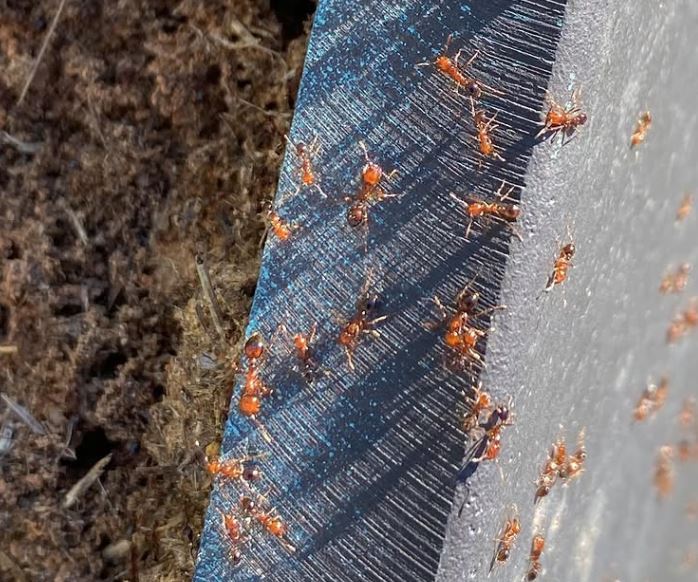
Grease ants (Solenopsis molesta), often called “thief ants” or “protein ants,” are tiny ants (about 1/32 inch) with a strong preference for greasy, protein-rich foods. They are pale yellow to brownish in color and are notorious for nesting inside walls, under floors, and near heat sources.
What Are Sugar Ants?
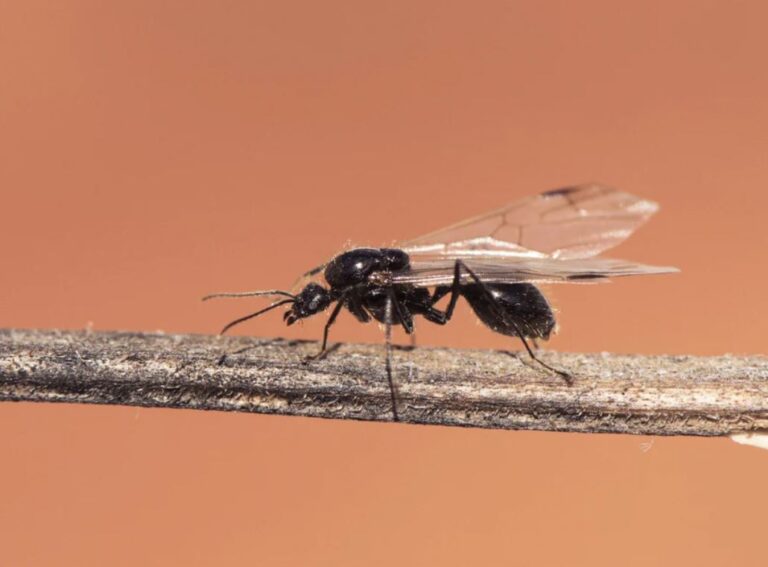
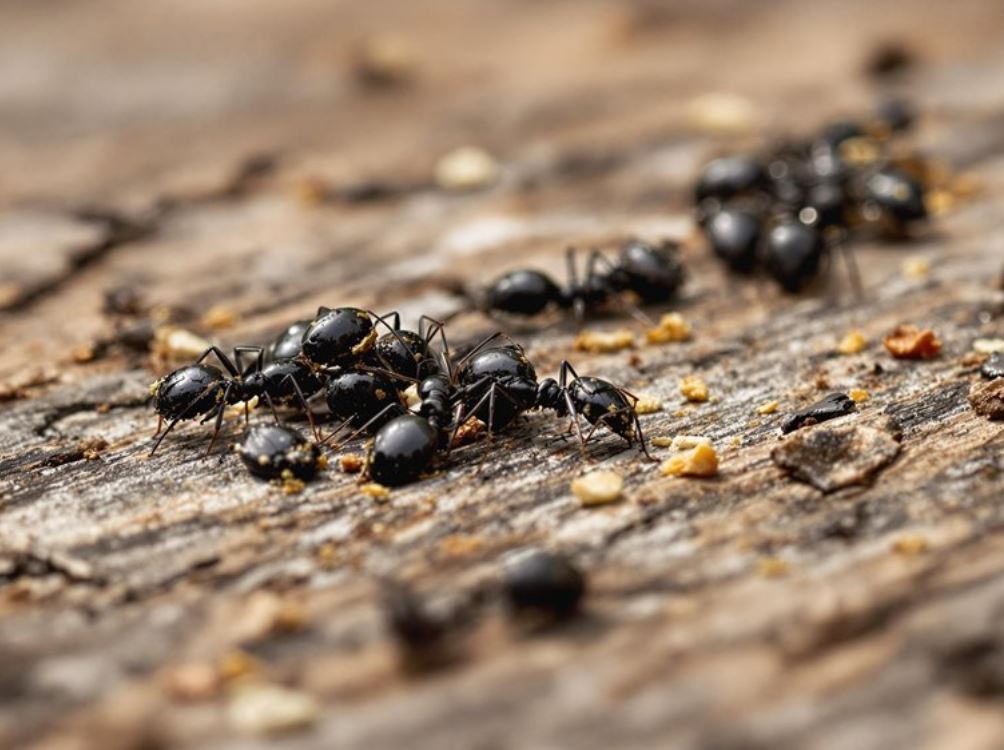
The term “sugar ant” is commonly used to describe several ant species attracted to sweets. Most often, it refers to the banded sugar ant (Camponotus consobrinus) or, in North America, the small, dark pavement ant or odorous house ant when they are seeking sugar. True sugar ants are larger (about 1/4 inch) and have distinct orange-brown bands.
Head-to-Head: Key Differences Between Grease Ants and Sugar Ants
The table below summarizes the core differences between these two common pests.
| Feature | Grease Ants (Thief Ants) | Sugar Ants (Common House Ants) |
|---|---|---|
| Scientific Name | Often Solenopsis molesta | Varies (e.g., Camponotus, Tapinoma sessile) |
| Size | Very small (1/32″ – 1/16″) | Small to medium (1/16″ – 1/4″) |
| Color | Pale yellow to light brown | Dark brown to black (often with banding) |
| Preferred Diet | Grease, fats, oils, protein (meat, cheese, nuts) | Sugars, carbohydrates (honey, syrup, fruit) |
| Nest Location | Indoors: inside walls, under floors. Outdoors: in soil. | Indoors: wall voids, under insulation. Outdoors: in soil, under logs. |
| Colony Size | Moderate (1,000-10,000 workers) | Can be very large (up to 100,000 for some species) |
| Key Identifying Trait | Almost microscopic size; strong attraction to greasy foods. | Visible trailing lines to sugar sources; often give off a rotten coconut smell when crushed (odorous house ant). |
Behavioral Patterns and Nesting Habits
Grease Ant Behavior
Grease ants are the ultimate scavengers of high-protein foods. They are known as “thief ants” because they often steal food and larvae from other ant colonies. Their tiny size allows them to exploit the smallest cracks and establish nests in hidden, often warmer locations like behind kitchen baseboards, near dishwashers, or in insulation around heating pipes. They follow invisible pheromone trails to food sources, but their trails are harder to spot due to their size.
Sugar Ant Behavior
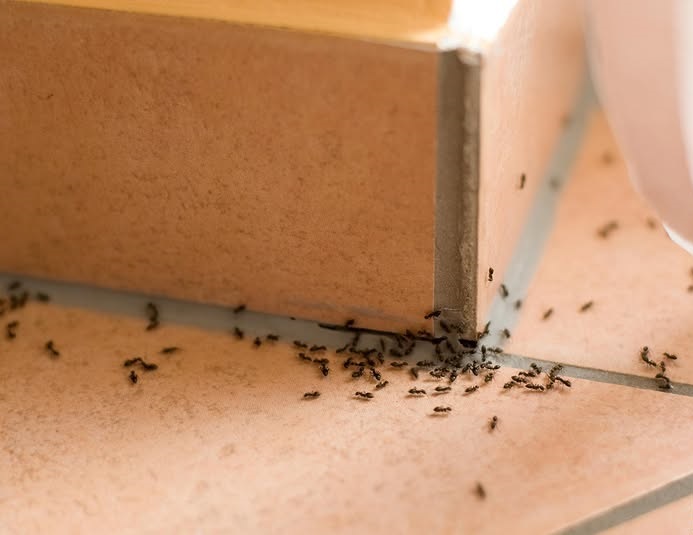
Sugar ants are classic foragers that establish clear, visible scent trails from their nest to a food source. You’ll often see a steady line of them marching to a drop of spilled soda or a honey jar. The common “odorous house ant,” a frequent sugar-seeker, nests in moist areas like under mulch, in wall voids near leaks, or under floors. When crushed, they emit a distinctive foul odor.
Diet Comparison: What Attracts Them to Your Home?
Understanding their dietary preferences is crucial for baiting and control.
| Food Source | Attractiveness to Grease Ants | Attractiveness to Sugar Ants |
|---|---|---|
| Grease & Cooking Oils | Extremely High – Primary target. | Low – May investigate but not preferred. |
| Meat & Pet Food | Very High – Excellent protein source. | Moderate – May take bits for colony. |
| Peanut Butter | Very High (due to high fat/protein). | High (due to sugar content in some). |
| Sugar, Honey, Syrup | Low – Will consume if needed. | Extremely High – Primary target. |
| Baked Goods | Moderate (attracted to fats/butter). | Very High (attracted to sugars/carbs). |
| Fruits | Very Low. | Very High – Drawn to natural sugars. |
How to Identify an Infestation
Signs of a Grease Ant Infestation:
- Tiny, almost microscopic ants around stove tops, dishwashers, pet food bowls, or garbage bins.
- Ants favoring spilled grease, butter, or meat crumbs over a dropped candy.
- Nests are rarely seen but may be indicated by small piles of fine soil or debris near baseboards.
Signs of a Sugar Ant Infestation:
- A clear, steady trail of larger, dark ants leading to pantries, sugar bowls, or fruit baskets.
- Ants clustering around sticky drink spills, syrup bottles, or ripe fruit.
- Presence of frass (wood shavings) near nest sites if they are carpenter ants (a type of large sugar ant).
Effective Control and Elimination Strategies
For Grease Ants:
- Sanitation is Key: Wipe down all surfaces to eliminate grease films. Store fatty foods, pet food, and nuts in airtight containers.
- Use Protein-Based Baits: Gel or granular baits containing soy protein, peanut butter, or other oils are most effective. They carry the poison back to the protein-hungry colony.
- Seal Entry Points: Use caulk to seal cracks in cabinets, around pipes, and along baseboards—their tiny size demands meticulous sealing.
- Professional Help: Due to their hidden nesting habits, a pest control professional may be needed for severe infestations.
For Sugar Ants:
- Eliminate Sugar Sources: Clean up spills immediately. Store sweets, syrups, and fruits in sealed containers or the refrigerator.
- Use Sugar-Based Baits: Liquid borax/sugar baits or gel baits are highly effective. Workers share the toxic sweet liquid with the entire colony.
- Break the Trail: Wash the ant trail with vinegar or soapy water to disrupt their pheromone path.
- Find and Treat the Nest: Follow the trail to find the entry point. Outdoor nests can sometimes be doused with boiling water or treated with insecticide dust.
Comparison of Control Baits
| Control Method | Best for Grease Ants? | Best for Sugar Ants? | Notes |
|---|---|---|---|
| Gel Bait (Protein-based) | YES – Highly effective. | No – May be ignored. | Place near grease trails and potential nests. |
| Gel Bait (Sugar-based) | No – May have limited effect. | YES – Highly effective. | Place directly on visible trails. |
| Granular Bait (Grease/Oil) | YES – Good for outdoor foraging. | Moderate – Only if mixed with sugar. | Useful for perimeter treatment. |
| Liquid Borax Bait | Moderate – Must use grease/oil as base. | YES – Classic and effective. | Homemade recipe: 1 part borax to 3 parts syrup/honey. |
| Insecticide Spray | Not Recommended – Scatters colony. | Not Recommended – Scatters colony. | Sprays kill visible workers but not the queen, worsening the problem. |
Prevention: The Best Long-Term Strategy
- For Both Types: Maintain impeccable kitchen hygiene. Take out trash regularly, clean floors and counters daily, and never leave dirty dishes overnight.
- Seal Your Home: Conduct a thorough inspection each season. Seal cracks with silicone caulk, install door sweeps, and repair torn window screens.
- Manage Landscaping: Keep branches, shrubs, and mulch away from your home’s foundation. Trim back vegetation to eliminate ant highways.
- Store Food Intelligently: Use sealed containers for all pantry items, and consider storing attractive items like cookies, nuts, and sugar in the fridge during peak ant season (spring and summer).
Conclusion: Knowledge is Power
While both grease ants and sugar ants are persistent nuisance pests, they are not the same. Correct identification—primarily by observing their size, color, and most importantly, their food preferences—is the critical first step to effective control. Remember: grease ants want your bacon grease and pet food, while sugar ants are after your honey and soda.
By using the targeted baiting strategies outlined in this guide and committing to proactive prevention, you can win the battle against these tiny invaders and keep your home ant-free. If an infestation persists, do not hesitate to contact a licensed pest control professional who can identify the species and implement a more advanced, targeted treatment plan.