
Why Ants Invade Your Bathroom in Winter (And How to Stop Them)

Finding a trail of ants in your bathroom during the cold winter months can be a confusing and frustrating experience. You might think ants should be hibernating, yet there they are, marching across your vanity. This phenomenon is more common than you think, and understanding why it happens is the first step to solving the problem. This comprehensive guide will explain the reasons, help you identify the type of ant, and provide actionable solutions to keep your bathroom ant-free.
Why Are Ants in My Bathroom During Winter?
Contrary to popular belief, ants don’t simply disappear in winter. As temperatures drop, many ant species seek warmth, moisture, and food—making your home, and particularly your bathroom, an ideal target.
Primary Reasons for Winter Bathroom Ants:
- Seeking Warmth: Pipes in walls and under sinks provide heat conduits. Bathrooms often have warmer, humid air.
- Searching for Water: Ants need water to survive. Bathrooms offer a consistent water source from sinks, showers, and toilet leaks.
- Scouting for Food: Soap residue, toothpaste splatter, hair, and even dead skin cells can be food sources for certain ants.
- Nesting Sites: Cracks in tiles, gaps around pipes, and hollow spaces in walls offer sheltered nesting spots away from the cold.
Common Types of Ants Found in Bathrooms
Not all ants are the same. Identifying the type can help tailor your eradication strategy.
| Ant Type | Appearance | Why They’re in Your Bathroom | Key Trait |
|---|---|---|---|
| Odorous House Ants | Small, brown or black | Strongly attracted to moisture. Often nest in wall voids near pipes. | Emit a rotten coconut smell when crushed. |
| Pavement Ants | Dark brown to black, with parallel grooves on head/thorax | Enter through cracks in foundations/slabs, then follow pipes upward. | Typically build nests under pavements, but migrate indoors. |
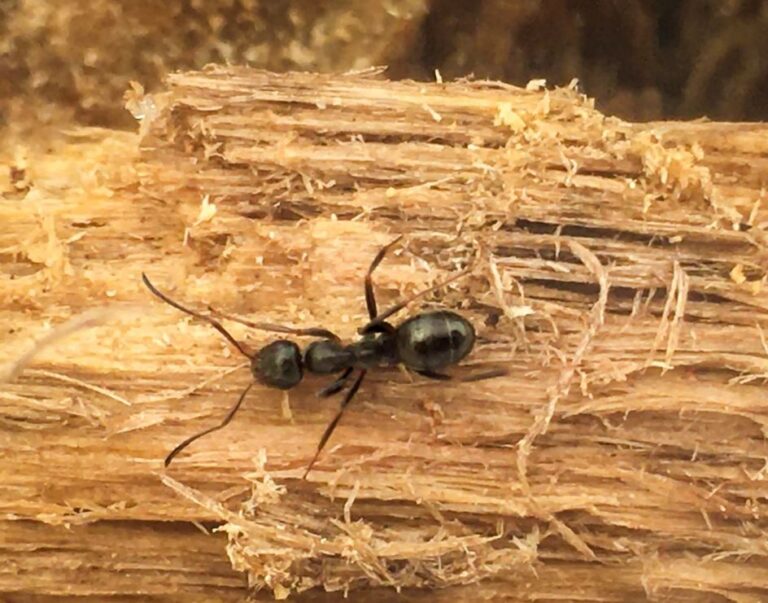
| Carpenter Ants | Large, black or red/black | Seek moist, decaying wood (from persistent leaks) to excavate nests. | Don’t eat wood, but tunnel through it, causing structural damage. |
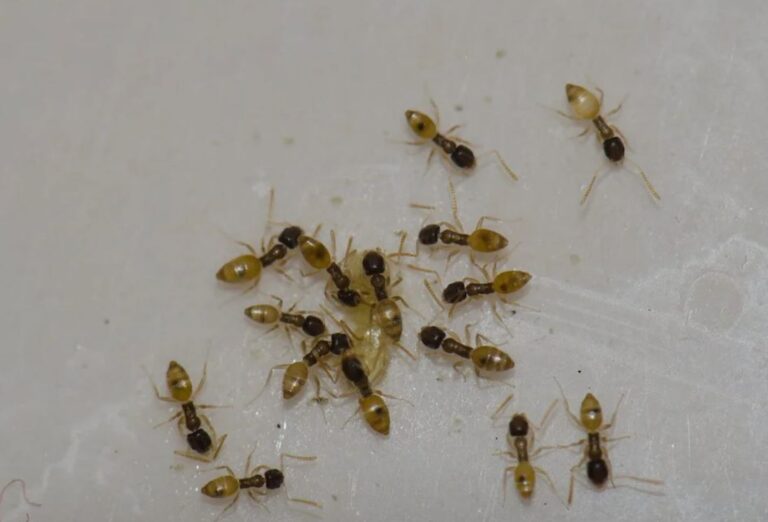
| Pharaoh Ants | Very small, light yellow to red | Thrive in warm, humid environments year-round. Love wall voids and insulation. | Notoriously difficult to eradicate; colonies have multiple queens. |
How to Get Rid of Bathroom Ants: A Step-by-Step Plan
Step 1: Locate and Clean Thoroughly
Follow the ant trail to try and find their entry point. Clean all surfaces with vinegar or a mild bleach solution (1 part bleach to 10 parts water) to eliminate scent trails and food residues. Pay special attention to:
- Floor and baseboard corners
- Behind the toilet and under the sink
- Shower/tub edges and drains
Step 2: Seal Entry Points
Use caulk or sealant to close any gaps you find:
- Around pipe penetrations under sinks and behind the toilet
- Cracks in tile grout or baseboards
- Gaps around window sills or vents
Step 3: Choose the Right Elimination Method
The best approach depends on whether you’ve found the nest or just see scout ants.
| Method | Best For | How to Use | Pro Tip |
|---|---|---|---|
| Ant Baits (Gel or Stations) | General use, especially for hidden nests. | Place near trails, but DO NOT spray cleaners near them. | Worker ants take poison bait back to the colony, killing the queen. |
| Diatomaceous Earth | Natural, non-toxic barrier. | Lightly dust a thin line along doorways, under sinks, and wall cracks. | Food-grade DE is safe for homes with pets. It dehydrates ants. |
| Borax/Sugar Bait | DIY solution for sugar-loving ants. | Mix 1 part borax with 3 parts powdered sugar. Place on small cards. | Keep away from children and pets. Works similarly to commercial baits. |
| Insecticide Spray | Immediate kill of visible trails. | Spray directly on ants and along entry points. | Often a temporary fix. Use in conjunction with baits for full colony elimination. |
Step 4: Eliminate Moisture
This is critical for long-term prevention.
- Fix leaky faucets, showerheads, and toilet tank leaks immediately.
- Use a bathroom fan during/after showers to reduce humidity.
- Check under sinks for dampness and repair any pipe condensation or leaks.
Prevention Checklist: Keep Ants Out for Good
Consistency is key. Make these tasks part of your regular home maintenance:
- Wipe down surfaces nightly to remove toothpaste, soap, and water spots.
- Store toiletries like lotion and soap in sealed containers.
- Take out bathroom trash frequently, especially if it contains tissues or floss.
- Inspect and seal potential entry points at the start of each winter season.
- Ensure proper drainage in showers and sinks; use drain covers.
When to Call a Professional Exterminator
Consider professional help if:
- You see large carpenter ants, indicating a potential structural issue.
- You have a persistent problem with Pharaoh ants (DIY methods often make these colonies split and worsen).
- You cannot locate the nest and infestations continue despite your best efforts.
- Ants are appearing in large numbers, suggesting a large, established nest within your walls.
Conclusion: Be Proactive, Not Reactive
Ants in the bathroom in winter are a sign that your home provides the resources they desperately need to survive the cold. By focusing on moisture control, impeccable cleanliness, and sealing entry points, you make your bathroom inhospitable. Start with identification, use targeted methods like baits for colony elimination, and maintain a dry, clean environment. With this structured approach, you can reclaim your bathroom and ensure these uninvited winter guests don’t return next season.