
Tiny Black Ants in Texas: Your Complete Guide to Identification, Prevention, and Control

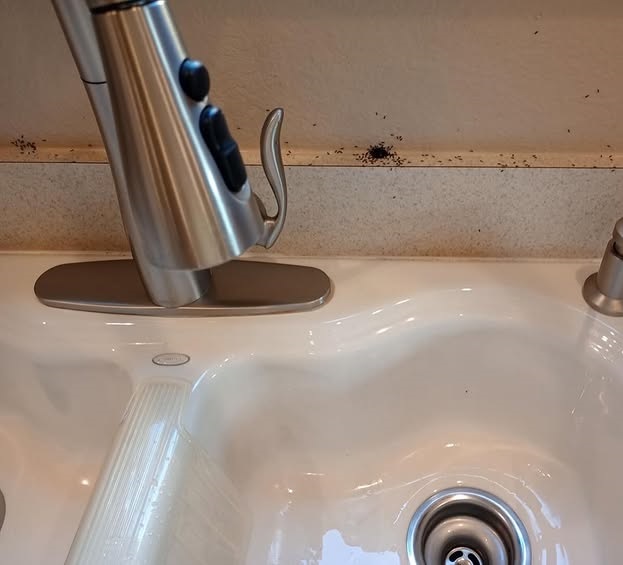
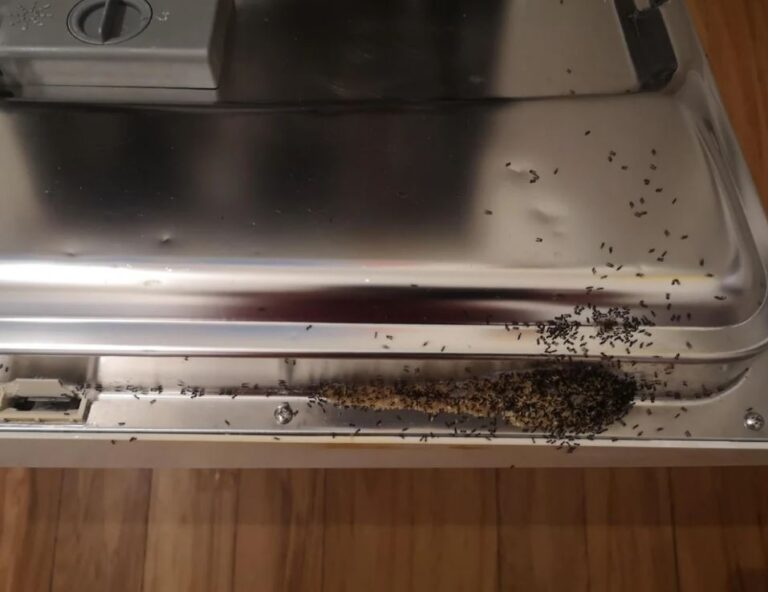
If you live in Texas, you’ve almost certainly encountered them—trails of tiny, jet-black ants marching diligently across your kitchen counter or along your sidewalk. These ubiquitous insects are more than just a minor annoyance; they are a persistent fact of life in the Lone Star State. Known commonly as “little black ants” or “odorous house ants,” these invaders are a frequent challenge for homeowners. Understanding their behavior, biology, and how to manage them is key to maintaining a pest-free home.
Dr. Mike Merchant, a retired Texas A&M AgriLife Extension entomologist, notes: “Tiny black ants are among the most common pest ants in Texas. They are successful because they are highly adaptable, eat almost anything, and can nest in a huge variety of locations, from soil to wall voids.”
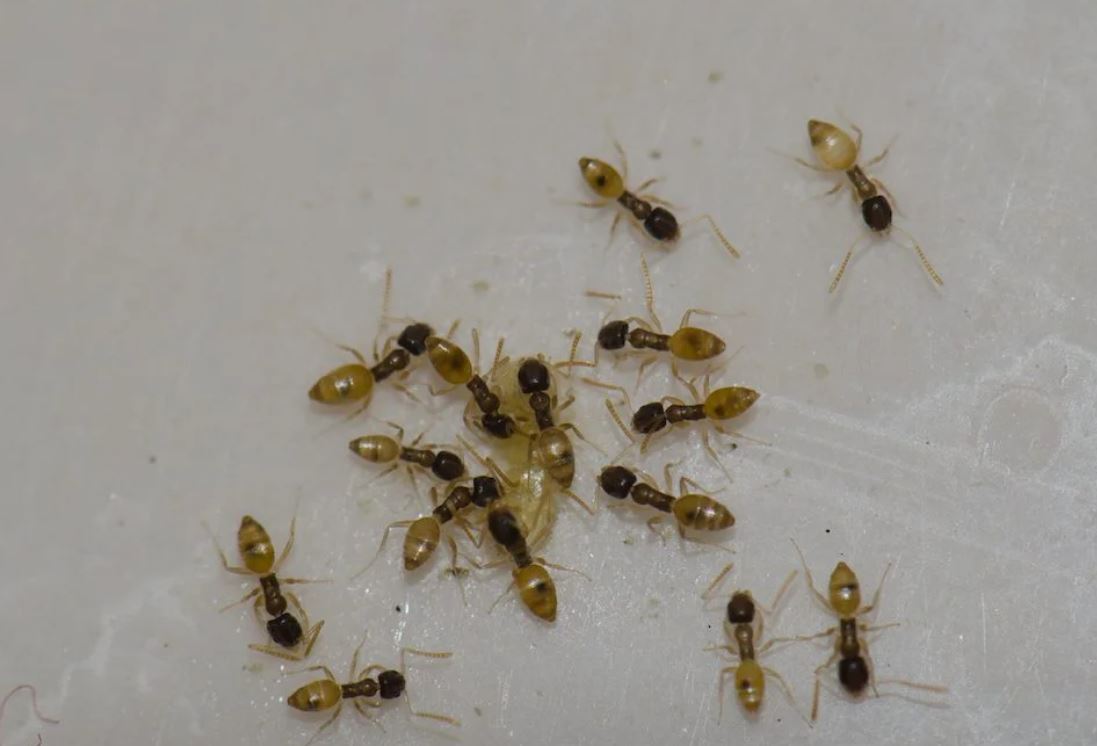
Identification: Are They “Little Black Ants”?
Not all small, dark ants are the same. Proper identification is the first step to effective control.
Key Characteristics:
- Color: Jet black to dark brown.
- Size: Workers are tiny, about 1/16 to 1/8 inch long (1.5–3 mm).
- Shape: Unevenly rounded thorax, single node (petiole) between thorax and abdomen.
- Key Sign: When crushed, they often emit a faint, rotten coconut-like odor—hence the nickname “odorous house ant.”
Common Tiny Black Ant Species in Texas
While several species fit the description, these are the most prevalent:
| Species Name | Common Name | Key Identifier | Typical Nesting Site |
|---|---|---|---|
| Monomorium minimum | Little Black Ant | Very small, shiny, prefers outdoors | Under rocks, in landscape mulch, open lawns |
| Tapinoma sessile | Odorous House Ant | Rotten odor when crushed, erratic trails | Indoors in wall voids, near moisture; outdoors under mulch |
| Solenopsis molesta | Thief Ant | Extremely small (1/32 inch), yellowish head | Near other ant nests, wall voids, behind baseboards |
| Brachymyrmex spp. | Rover Ant | Pale to dark, tiny, slow-moving | Insulation, potted plants, electrical outlets |
Why Are They in My Texas Home? The Attraction Factors
Texas environments provide ideal conditions for these ants:
- Climate: Hot, dry summers drive them indoors for water. Mild winters allow year-round activity.
- Food: They are omnivorous scavengers. In nature, they feed on insects and honeydew. In your home, they target sweets, proteins, grease, and crumbs.
- Water: Leaky pipes, AC condensation, and pet bowls are major attractants.
- Shelter: Construction gaps, weep holes, and landscaping mulch provide easy entry and nesting sites.
Effective Control Strategy: An Integrated Approach
A one-size-fits-all spray rarely solves the problem. A sustained, multi-step strategy is required.
1. Inspection and Sanitation
Follow trails to find entry points and possible nesting sites. Clean up spills immediately, store food in airtight containers, and manage trash. Eliminate standing water sources.
2. Exclusion
Seal cracks around windows, doors, and utility penetrations with silicone caulk. Trim tree branches and shrubs away from the house.
3. Baiting (The Most Critical Step)
Tiny black ants have large colonies with multiple queens. Effective baits are carried back to the nest, poisoning the queen and brood.
Janis Reed, BCE, Board Certified Entomologist in Texas, advises: “Use a dual-bait strategy. Place both a sugar-based bait (like indoxacarb or borax-based) and a protein/grease-based bait (like fipronil) along active trails. The ants’ dietary preferences can change, so offering both ensures success.”
4. Targeted Outdoor Treatment
If you locate an outdoor nest, a drench with a labeled insecticide can be effective. Create a protective barrier around the home’s perimeter with a non-repellent insecticide, which ants unknowingly cross and carry back to the nest.
When to Call a Professional
Consider professional pest control if:
- The infestation is widespread or within walls.
- DIY methods have failed after several weeks.
- You are dealing with a secondary infestation like carpenter ants.
- You need a guaranteed, ongoing prevention plan.
Natural Deterrents for Minor Problems
For light infestations or as a preventive measure, some find success with:
- Vinegar Solutions: Wiping trails with a 50/50 vinegar and water solution disrupts pheromone paths.
- Diatomaceous Earth: Food-grade DE sprinkled in dry areas around entry points can desiccate ants.
- Essential Oils: Peppermint, tea tree, or citrus oils can act as temporary repellents when applied at entry points.
Important Note: These methods repel or kill individual workers but rarely eliminate the colony. They are best used in conjunction with baiting.
Conclusion: Winning the War Against the Tiny Marchers
Tiny black ants in Texas are a formidable foe due to their resilience and adaptability. Victory lies not in a single chemical battle, but in a sustained campaign of sanitation, exclusion, and intelligent baiting. By understanding what drives these ants into your home and systematically removing those attractions, you can protect your Texas home from these tiny but persistent invaders.