
The Ultimate Guide to Ants in the Dishwasher: Causes, Risks, and Solutions

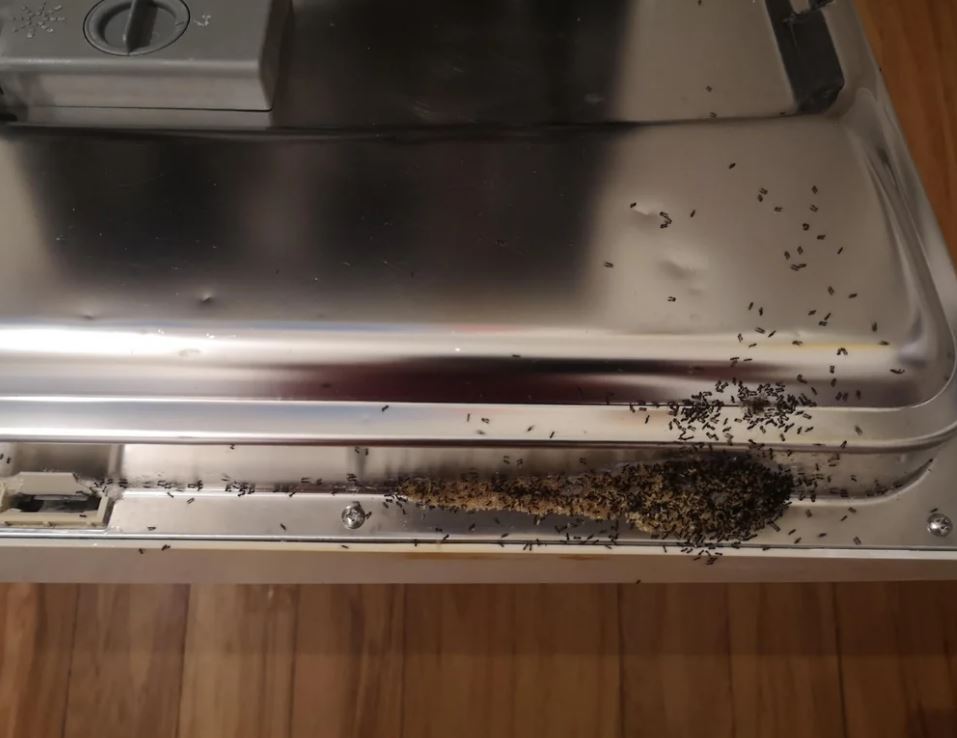
Finding ants in your dishwasher is a disconcerting and surprisingly common household issue. This comprehensive guide explains why ants are attracted to your dishwasher, the risks they pose, and provides actionable, SEO-optimized solutions to eliminate them for good and prevent future infestations.
Why Are There Ants in My Dishwasher? The Attraction Explained
Your dishwasher, designed for cleanliness, paradoxically creates an ideal environment for ants. Understanding their attraction is the first step to solving the problem.
- Food Residue: Even with a rinse cycle, microscopic food particles like sugars, grease, and proteins get trapped in filters, door seals, and spray arms. This is a prime food source.
- Moisture & Warmth: After a cycle, the dishwasher remains warm and humid—a perfect nesting condition, especially for moisture-loving species like odorous house ants.
- Shelter & Access: The dishwasher provides a dark, sheltered space. Ants often enter through tiny cracks under the floor, behind countertops, or through gaps around supply lines and drainage hoses.
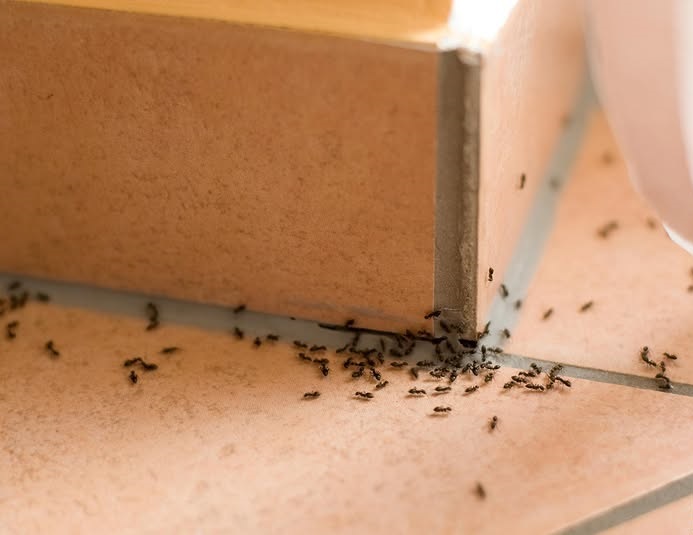
- Scent Trails: A single scout ant finding food inside will leave a pheromone trail, inviting the entire colony to the feast.
The Risks: Are Dishwasher Ants Dangerous?
While primarily a nuisance, ants in the dishwasher do pose certain risks.
| Risk Level | Type of Risk | Explanation |
|---|---|---|
| High | Food Contamination | Ants can carry bacteria like Salmonella and E. coli from other surfaces onto your “clean” dishes. |
| Medium | Appliance Damage | Large colonies can nest in insulation or electrical components, leading to malfunctions. They can also clog drainage lines. |
| Low | Health Concerns | While generally not disease vectors, their presence can trigger allergies or asthma in sensitive individuals. |
| High | Colony Expansion | A dishwasher infestation is a sign that ants have established themselves in your kitchen, likely elsewhere. |
Step-by-Step Elimination Guide: Getting Rid of Ants in Your Dishwasher
Follow this structured approach to clear your dishwasher and kitchen of ants effectively.
Phase 1: Immediate Clean-Out & Dishwasher Treatment
- Run a Hot Vinegar Cycle: Place a cup of white vinegar in a dishwasher-safe bowl on the top rack. Run a full, empty cycle on the hottest setting. The acetic acid dissolves grease and grime while eliminating ant scent trails.
- Deep Clean Components: After the cycle, remove the bottom rack, filter, and spray arms according to your manual. Soak and scrub them in warm, soapy water to remove all organic debris.
- Wipe Down Seals: Use a vinegar-water solution (1:1 ratio) to thoroughly wipe the interior door gasket, edges, and the door frame—common ant highways.
Phase 2: Targeted Ant Elimination Strategies
Choose a method based on the infestation size and your preference for chemical or natural solutions.
| Method | Best For | How-To Application | Key Advantage |
|---|---|---|---|
| Diatomaceous Earth | Safe, natural elimination | Lightly dust around (not inside) the dishwasher base and entry points. | Mechanical killer; non-toxic to pets/people, slices ant exoskeletons. |
| Ant Baits (Gel or Stations) | Eliminating the entire colony | Place baits along ant trails near the dishwasher (under the sink, along walls). | Foragers take poison back to the nest, killing the queen and colony. |
| Boric Acid & Bait Paste | Severe infestations | Mix 1 part boric acid with 3 parts sweet bait (honey, syrup). Place drops on cardboard near trails. | Highly effective slow-acting poison transferred throughout the colony. |
| Essential Oil Repellent | Deterrence & mild problems | Mix 10-15 drops peppermint or tea tree oil with water in a spray bottle. Spray around perimeter. | Repels ants naturally; leaves a clean scent. |
Phase 3: Seal Entry Points & Prevention
Permanent success requires denying ants access.
- Seal Gaps: Use silicone caulk to seal cracks between the countertop and backsplash, around plumbing penetrations under the sink, and where the dishwasher meets the cabinetry.
- Manage Moisture: Fix any leaks under the sink. Let the dishwasher door air dry after cycles.
- Remove Food Sources: Rinse dishes before loading. Regularly empty and clean the kitchen trash can. Wipe down counters and sweep floors nightly.
- Create Barriers: Maintain a clean, dry perimeter around the dishwasher. Consider drawing a line of chalk or placing a cinnamon stick—natural deterrents many ants avoid.
Common Ant Species Found in Dishwashers
Identifying the ant can help tailor your strategy.
| Species | Identification | Why They Love Dishwashers |
|---|---|---|
| Odorous House Ant | Small, dark brown/black; emits a rotten coconut smell when crushed. | Highly attracted to moisture and sweets—thrives in the damp environment. |
| Argentine Ant | Light to dark brown, small, often moves in wide trails. | Forms massive colonies; seeks water and a variety of foods. |
| Pavement Ant | Dark brown/black, slightly larger; seen under sidewalks/driveways. | Forages for greasy foods and proteins; enters through floor-level cracks. |
| Pharaoh Ant | Tiny, yellow or light brown; notorious indoor pest. | Seeks warmth and moisture; extremely difficult to eradicate with sprays. |
When to Call a Professional Exterminator
Consider professional pest control if:
- The infestation persists after multiple DIY attempts.
- You identify Pharaoh Ants (sprays cause them to scatter and multiply).
- You suspect a large nest inside the appliance or walls.
- You have a recurring problem and need a preventative barrier treatment.
Conclusion & Final SEO-Targeted Takeaway
Ants in the dishwasher are a problem rooted in the search for food, water, and shelter. By combining a thorough dishwasher deep clean with targeted ant bait strategies and diligent sealing of entry points, you can reclaim your appliance. Remember, consistency is key—persistent ants require persistent solutions. Addressing this issue not only ensures hygienic dishwashing but also protects your kitchen from broader pest invasions. For lasting results, integrate these preventive measures into your regular kitchen cleaning routine.