
Does Wasp Spray Kill Ants? A Comprehensive Guide

Discovering a trail of ants invading your kitchen or a wasp nest under your eaves can trigger an immediate desire for a quick, powerful solution. In the quest for convenience, many homeowners reach for whatever insecticide is on hand, often leading to the question: does wasp spray kill ants?
The short answer is yes, wasp spray can kill ants on contact, but it is a highly inefficient, potentially dangerous, and ecologically damaging choice for ant control. This article delves into the science behind insecticides, compares their effectiveness, and provides professional recommendations for dealing with ant infestations.
How Wasp Spray Works: Not a One-Size-Fits-All Solution
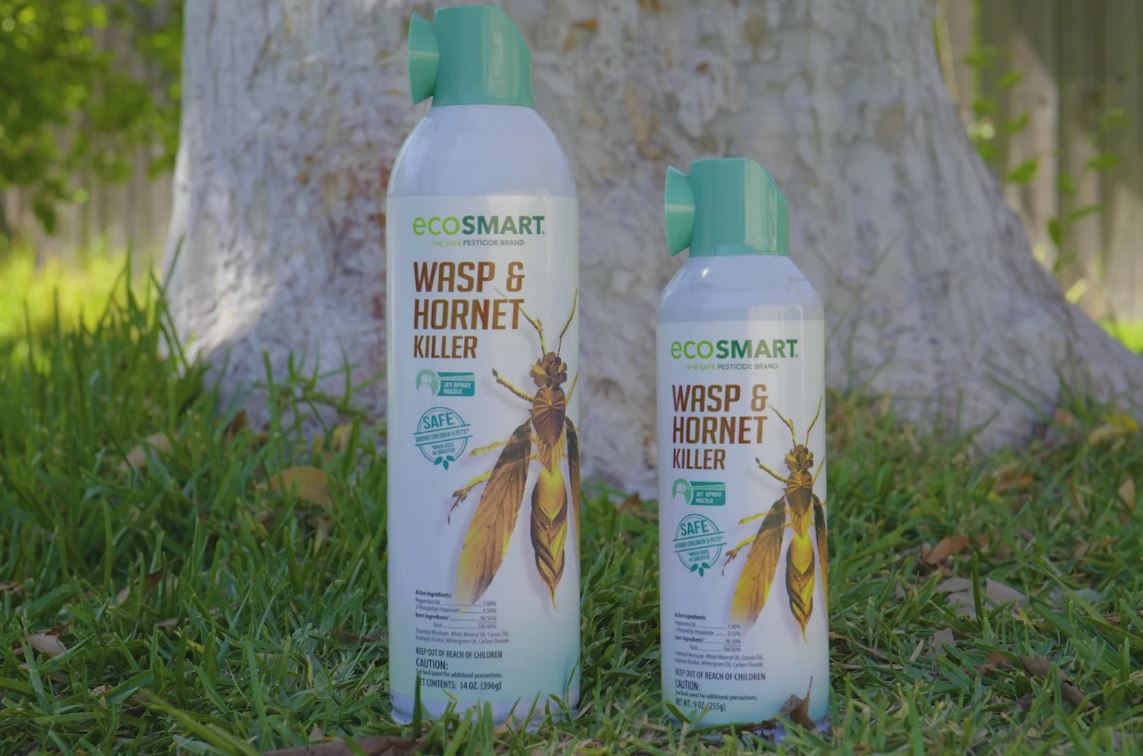
Wasp and hornet sprays are specifically formulated for a unique purpose: to deliver a long-range, instantaneous knock-down of flying insects that pose an immediate sting threat. Their key characteristics include:
- Long-Distance Stream: Allows you to spray from a safe distance (often 10-20 feet).
- Fast-Acting Neurotoxins: Primary chemicals like pyrethroids (e.g., cypermethrin, tetramethrin) quickly disrupt the nervous system of insects.
- Foaming or Sticky Formulations: Some are designed to coat and suffocate nest-bound insects.
When this spray hits an ant, the neurotoxins will indeed affect it, often killing it. However, the core problem with using wasp spray for ants lies in the fundamental difference between eradicating a visible nest and eliminating a vast, hidden colony.
Why Wasp Spray is a Poor Choice for Ant Control
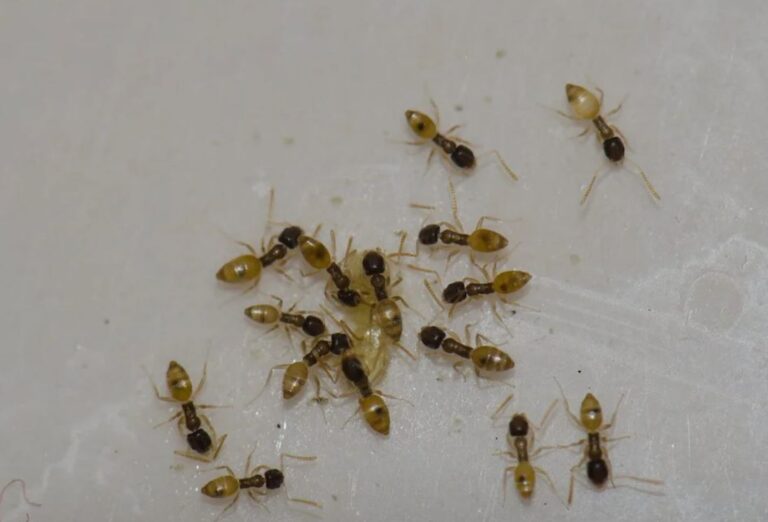
Ant colonies are complex superorganisms. The ants you see foraging are only a tiny percentage—the worker caste. The queen, eggs, larvae, and other colony members remain hidden deep within a nest, which can be indoors inside walls or outdoors under soil or pavement.
Using wasp spray on foraging worker ants is futile because:
- It Misses the Colony: You kill visible scouts but leave the reproducing queen and heart of the colony untouched. She will quickly replace the lost workers.
- Lacks Residual or Transfer Effect: Most wasp sprays are designed for quick knock-down, not long-lasting surface residue. They lack the active ingredients (like fipronil or hydramethylnon) in ant baits that allow workers to carry poison back to the colony and share it, leading to systemic collapse.
- Safety Hazards: Wasp sprays are potent and can contaminate surfaces in your home, posing risks to pets and children. Their long-range spray increases the risk of inhalation and drift to non-target areas.
- Cost Inefficiency: They are more expensive per ounce than targeted ant control products, making them a wasteful choice.
Comparative Analysis: Wasp Spray vs. Ant-Specific Products
The table below clearly illustrates why specialized products are superior for ant management.
| Feature | Wasp & Hornet Spray | Ant Baits (Gel/Liquid/Station) | Ant Sprays (Residual/Crack & Crevice) |
|---|---|---|---|
| Primary Target | Visible wasp/hornet/yellow jacket nests. | Entire ant colony (queen included). | Foraging trails and entry points. |
| Method of Action | Immediate contact kill via neurotoxins. | Delayed toxicity; workers carry bait back to nest, sharing it trophallaxis. | Contact kill + long-lasting residual barrier. |
| Effectiveness vs. Ants | Low (kills only contacted workers). | Very High (eradicates the source colony). | Moderate-High (for barrier and contact control). |
| Safety for Indoor Use | Low (highly toxic, risk of inhalation/contamination). | Moderate-High (contained in stations or applied in hidden cracks). | Moderate (must be applied carefully to targeted areas). |
| Key Advantage | Long-range safety against stinging insects. | Solves the root problem with minimal effort. | Provides immediate knockdown and preventative barrier. |
| Best Used For | Eliminating an active wasp nest from a distance. | The preferred method for most common ant invasions. | Sealing entry points and treating visible trails. |
Professional Recommendations for Effective Ant Control
Pest management professionals emphasize Integrated Pest Management (IPM), which prioritizes targeted, least-toxic methods.
1. Identification is Key
Before treatment, identify the ant species. Odorous house ants, pavement ants, and carpenter ants require different strategies. A clear photo can help with online identification or when consulting a professional.
2. The Gold Standard: Use Ant Baits
For most common household ants (sugar-feeding species), gel or station baits are unbeatable.
- How it works: Place baits near foraging trails. Workers take the bait (a slow-acting poison mixed with attractive food) back to the nest, feeding the queen and larvae. The colony dies within days.
- Tip: Do not spray other insecticides near baits, as this will kill the foraging workers and prevent the bait from reaching the colony.
3. Supplement with Targeted Sprays
Use residual insecticide sprays labeled for ants (often with ingredients like bifenthrin) only as a barrier treatment. Apply them to potential entry points—around windows, door frames, and foundation perimeters—not broadly across surfaces.
4. Sanitation and Exclusion
- Clean up food spills and crumbs immediately.
- Store sweets, pet food, and grains in sealed containers.
- Seal cracks and crevices with caulk to block entry points.
When to Call a Professional Pest Control Service
Consider professional help if:
- The infestation is large or persistent despite DIY baiting.
- You are dealing with carpenter ants (which damage wood) or fire ants.
- The nest is inaccessible (inside a wall, under a slab).
- You have concerns about chemical use around children, pets, or sensitive individuals.
Conclusion: Does Wasp Spray Kill Ants? Yes, But Don’t Use It.
While a direct blast from a can of wasp spray will kill individual ants, it is a profoundly ineffective and inappropriate tool for ant control. It addresses only the symptom (a few visible workers) while ignoring the disease (the hidden colony). This approach wastes money, poses unnecessary safety risks, and ultimately leads to frustrated homeowners watching ants return day after day.
The professional verdict is clear: For effective, long-lasting ant control, skip the wasp spray. Instead, invest in targeted ant baits, practice good sanitation, and use residual barrier sprays judiciously. By understanding the biology of your adversary and choosing the right tool for the job, you can achieve a pest-free home efficiently and safely.