
Are Ants Most Active at Night? The Truth About Ant Behavior Patterns

Introduction: Unraveling the Mystery of Ant Activity Cycles
Ants are among the most ubiquitous insects on Earth, found in nearly every terrestrial ecosystem. A common question homeowners, gardeners, and curious observers ask is: Are ants most active at night? The answer is more complex than a simple yes or no, as it depends heavily on the species, environment, and time of year. This comprehensive guide will explore the fascinating daily rhythms of ants, helping you understand their behavior for better pest control, gardening success, or pure scientific curiosity.
The Short Answer: It Depends on the Species
While many ant species are notably active at night, numerous others are diurnal (active during the day), and some show no strong preference. Activity patterns are an evolutionary adaptation to avoid predators, extreme temperatures, and competition, and to maximize foraging efficiency.
Why Some Ants Prefer the Night: Nocturnal Adaptations
Several factors drive ants to become nocturnal foragers:
- Temperature & Humidity: In hot, arid climates, night foraging avoids scorching heat and reduces water loss. The cooler, more humid night air is easier for ants to navigate.
- Predator Avoidance: Night reduces exposure to visual predators like birds, lizards, and some other insects.
- Reduced Competition: Fewer species are active at night, potentially giving nocturnal ants access to resources with less conflict.
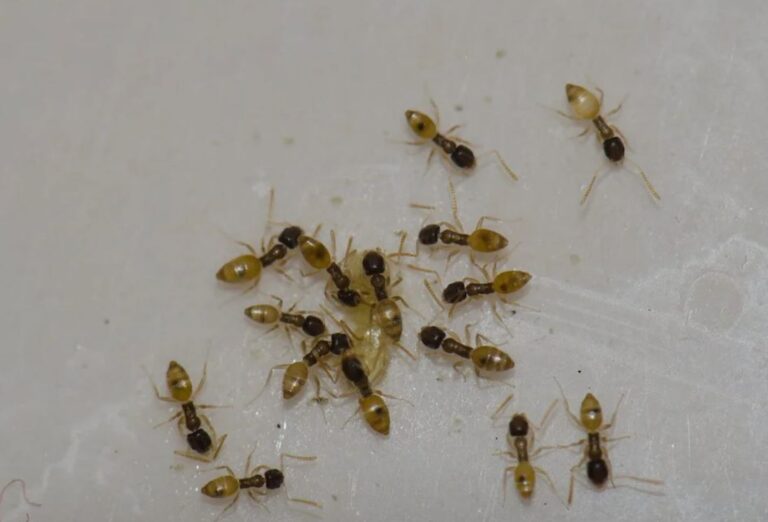
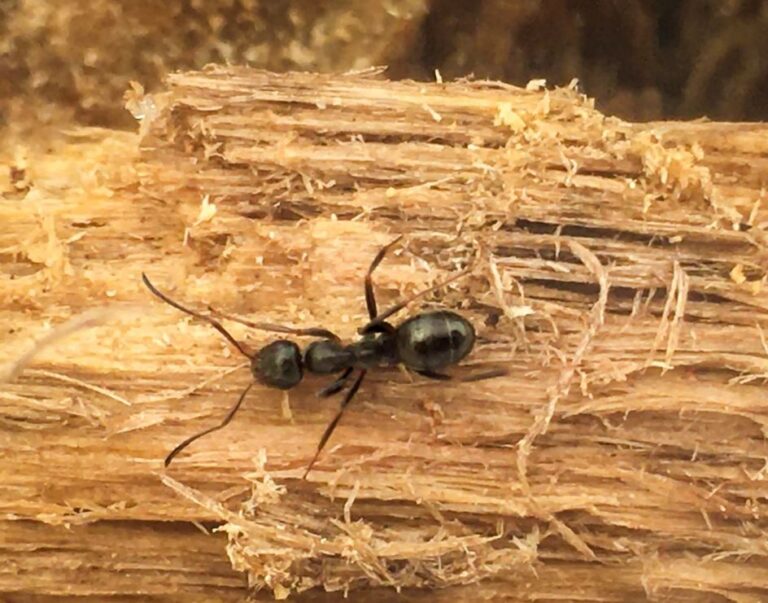
- Stealthy Exploitation: Nocturnal species like the ghost ant or carpenter ant often enter homes at night, exploiting the darkness to raid food sources undetected.
Common Nocturnal Ant Species
| Ant Species | Key Characteristics | Typical Night Activity |
|---|---|---|
| Carpenter Ants | Large, black or red/black, nest in wood. | Very active at night; often heard rustling in walls and forage for proteins and sugars. |
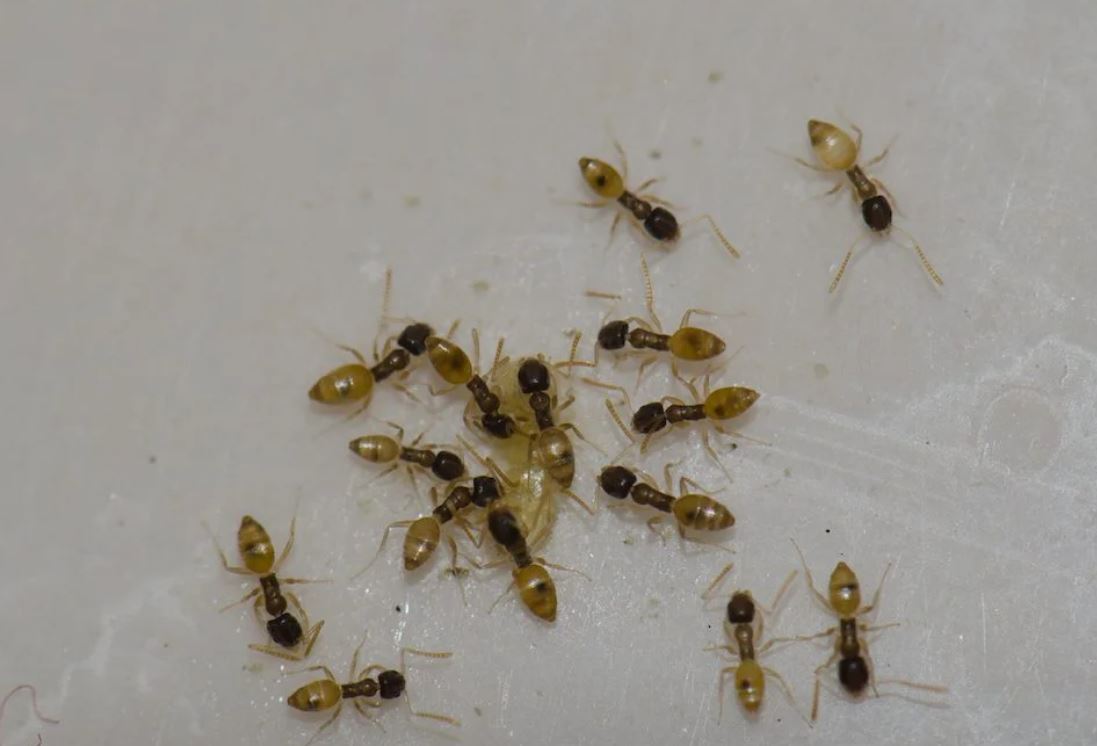
| Ghost Ants | Tiny, pale legs/abdomen, dark head. | Primarily nocturnal; famous for nighttime kitchen raids, attracted to sweets. |
| Pavement Ants | Small, brown/black, nest under stones/driveways. | Often forage at night, especially in summer to avoid heat. |
| Argentine Ants | Small, dark brown, form massive colonies. | Can forage 24/7, but peak activity often occurs at night in residential areas. |
Diurnal Ants: The Day Shift
Not all ants shun the sun. Many common species are active during daylight hours.
| Ant Species | Key Characteristics | Typical Day Activity |
|---|---|---|
| Harvester Ants | Medium-large, seed collectors. | Strictly diurnal; forage in hot, open areas to collect seeds. |
| Field Ants | Large, mound-builders in fields/lawns. | Primarily active during the day. |
| Fire Ants | Red/brown, aggressive, painful sting. | Most active in daylight, especially in warm, sunny weather after rains. |
| Wood Ants (Formica) | Large, aggressive, build large mound nests. | Diurnal foragers in forests and woodlands. |
Factors Influencing Ant Activity: More Than Just the Clock
The following table summarizes the key factors that shift ant activity cycles:
| Factor | Effect on Ant Activity | Example |
|---|---|---|
| Season & Temperature | Extreme heat drives activity to night or cooler parts of day. Cold reduces all activity. | Pavement ants shift to nocturnal foraging in mid-summer. |
| Food Source Availability | Activity peaks when food is most available or least defended. | Ants may raid picnics (day) or unsecured kitchen trash (night). |
| Colony Needs | Brood rearing requires more protein, triggering more foraging. | Growing colonies show intense activity cycles. |
| Human Activity | High daytime disturbance can push ants to become more nocturnal. | Ants in a frequently used garden may forage more at night. |
| Weather Events | Rain can flush ants out or trigger exploratory foraging afterward. | Fire ant mounds are highly active after a rainstorm. |
How to Tell If You Have Nocturnal Ants: Signs to Watch For
Wondering if ants are invading your space after dark? Look for these clues:
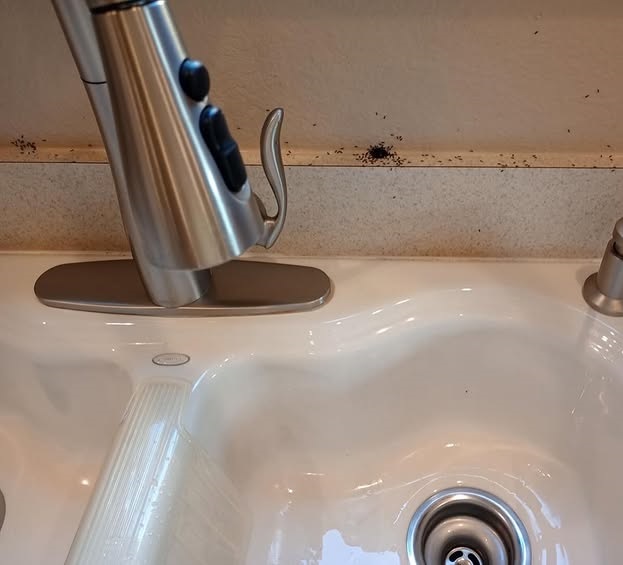
- Morning Trails: Unexplained trails of ants, debris, or frass (sawdust-like material from carpenter ants) appear by morning.
- Overnight Food Raids: Food left out overnight has ant activity in the morning, but few are seen during the day.
- Rustling in Walls: Sounds of faint crackling or rustling from walls/ceilings at night, indicative of carpenter ants.
- Using a Flashlight: Conduct a quick flashlight inspection around baseboards, kitchens, and bathrooms around 10-11 PM.
Practical Implications: Pest Control and Gardening
Understanding ant activity timing is crucial for effective management.
- For Pest Control:
- Identification is Key: Correctly identify the species to understand its cycle.
- Baiting Timing: For nocturnal species, place baits in the late afternoon or evening. Ants will discover and transport the poison to the nest during their active period.
- Inspection: Perform thorough inspections at night with a flashlight to locate entry points and trails.
- For Gardeners:
- Observe Activity: Determine if ants are tending aphids (often daytime) or foraging for seeds (varies).
- Natural Deterrents: Apply deterrents like diatomaceous earth in the evening for nocturnal species so it’s fresh during their active period.
- Understand Benefits: Many ants aerate soil and control other pest populations; not all nighttime activity is harmful.
Conclusion: A World of Shifting Schedules
So, are ants most active at night? Many species are, but a significant number are not. The insect world operates on shift work. Whether an ant is diurnal or nocturnal is a sophisticated survival strategy shaped by climate, predators, and competition.
If you’re dealing with an ant issue, the first step is to grab a flashlight and observe. Identifying their active periods is a powerful diagnostic tool that leads to more effective, targeted solutions. By respecting their complex rhythms, we can better manage our interactions with these incredibly successful and vital inhabitants of our planet.