
Does Fipronil Kill Ants? The Ultimate Guide to Ant Control with Fipronil

Introduction: The Ant Problem and a Potent Solution
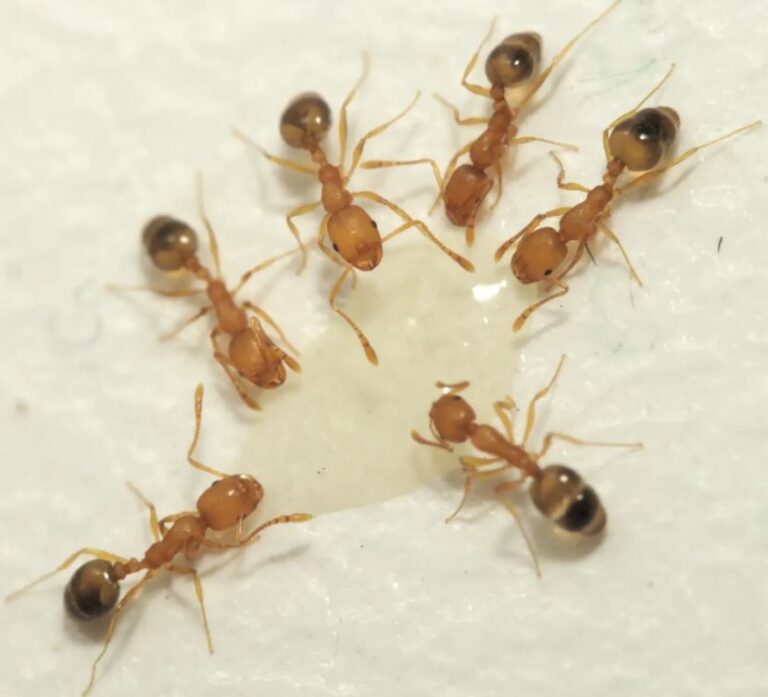
Ant invasions are a universal household nuisance, capable of turning a picnic into a retreat and contaminating food supplies in kitchens. Homeowners and pest control professionals are constantly seeking effective, long-lasting solutions. Among the myriad of insecticides available, one chemical consistently stands out: Fipronil. But does fipronil really kill ants? The resounding answer is yes, and with remarkable efficiency. This comprehensive guide will delve into the science behind fipronil, how it eradicates ant colonies, and why it remains a cornerstone of modern ant control.
What is Fipronil? Understanding the Chemistry
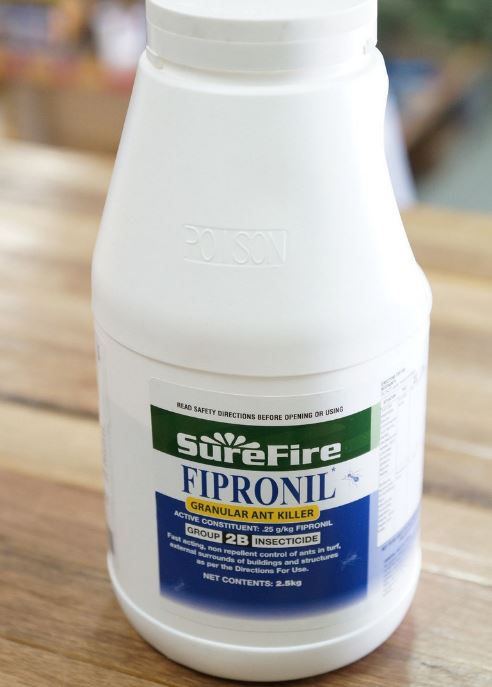
Fipronil is a broad-spectrum insecticide belonging to the phenylpyrazole chemical family. It was introduced in the 1990s and has since become a key active ingredient in numerous pest control products, from pet flea treatments to agricultural pesticides and household ant baits. Its primary mode of action is as a disruptor of the central nervous system in insects.
How Fipronil Works: The Science of Colony Elimination
The true power of fipronil against ants lies not just in its toxicity, but in its ingenious method of delivery and secondary poisoning effect, known as “domino-effect” colony kill.
- Neurotoxin Action: Fipronil works by blocking GABA-gated chloride channels in the insect’s nerve cells. GABA is a neurotransmitter that inhibits nerve signals. By blocking these channels, fipronil prevents chloride ions from entering the neurons, causing hyperexcitation of the nerves and muscles. This leads to uncontrolled neural activity, paralysis, and ultimately death.
- Slow-Acting Delivery: Products designed for ants, like granular baits and liquid bait stations, use very low concentrations of fipronil (typically 0.001% to 0.01%). This sub-lethal dose is crucial. Worker ants consume the bait and return to the nest without dying immediately.
- Trophallaxis – The Trojan Horse: Ants share food through a process called trophallaxis (mouth-to-mouth feeding). The poisoned worker distributes the fipronil-laden food to colony members, including larvae, other workers, and, critically, the queen(s).
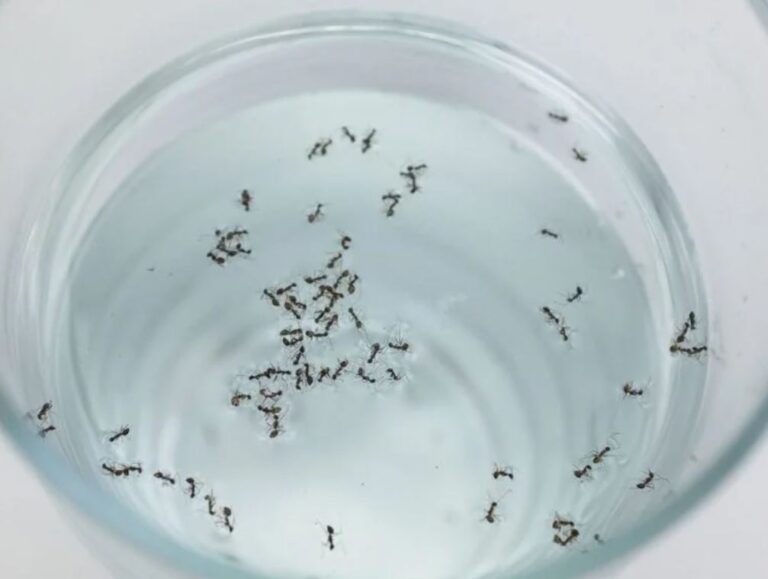
- Colony Collapse: The slow action allows the toxin to spread throughout the entire colony before symptoms appear. Once the queen(s) and a sufficient number of workers are poisoned, the colony’s reproductive and functional heart ceases, leading to complete collapse within days or a few weeks.
Fipronil vs. Other Common Ant Insecticides: A Comparison
To understand fipronil’s place in ant control, it’s helpful to compare it to other popular active ingredients.
Table 1: Fipronil Compared to Other Ant Killers
| Feature | Fipronil | Bifenthrin (Pyrethroid) | Borax / Boric Acid | Hydramethylnon | Indoxacarb |
|---|---|---|---|---|---|
| Class | Phenylpyrazole | Pyrethroid | Inorganic Mineral | Amidohydrazone | Oxadiazine |
| Primary Action | Slow stomach & nerve poison | Fast-acting contact killer | Slow stomach poison | Slow metabolic inhibitor | Slow nerve poison |
| Colony Elimination | Excellent (via trophallaxis) | Poor (mainly repellent) | Good (via grooming) | Good (via bait sharing) | Excellent (via bait sharing) |
| Kill Speed | Slow (24-72 hours for workers) | Very Fast (minutes/hours) | Slow (days) | Slow (24-48 hours) | Slow (24-96 hours) |
| Repellency | Non-Repellent (ants cannot detect it) | Highly Repellent | Low to Non-Repellent | Non-Repellent | Non-Repellent |
| Residual Effect | Long-lasting (weeks outdoors) | Long-lasting (weeks) | Low (indoors) | Moderate | Moderate |
| Common Forms | Liquid bait stations, granules, sprays | Outdoor sprays, granules | DIY baits, powders | Bait stations, gels | Bait gels, granules |
Key Takeaway: Fipronil’s unique advantage is its potent combination of being non-repellent and having a transferred effect within the colony. Unlike fast-acting repellent sprays that only kill visible foragers and scatter the colony (causing “budding”), fipronil is covertly carried into the heart of the nest.
Effectiveness Against Different Ant Species
Fipronil is highly effective against a wide spectrum of ant species, but its application method may vary.
Table 2: Fipronil Effectiveness on Common Ant Types
| Ant Species | Effectiveness with Fipronil | Notes & Best Application |
|---|---|---|
| Carpenter Ants | High | Use liquid bait stations near trails. May require direct nest treatment for large infestations. |
| Odorous House Ants | Very High | Ideal candidate. Readily take sweet liquid baits and share them throughout large, multi-queen colonies. |
| Pavement Ants | Very High | Granular baits work excellently when applied near nests in cracks and along edges. |
| Fire Ants (Red & Black) | Very High | The standard for fire ant mound treatments. Granular baits are broadcast, or drenches are used for individual mounds. |
| Argentine Ants | High | Effective, but their vast supercolonies can require sustained baiting over a large area. |
| Pharaoh Ants | High (with caution) | Use only baits. Spraying can cause colony fragmentation. Fipronil gels are very effective. |
How to Use Fipronil to Kill Ants: Methods and Safety
Fipronil is available to consumers in several formulations. Proper application is key to success.
1. Fipronil Ant Baits (Stations and Gels)
- How to Use: Place bait stations or apply small dabs of gel near ant trails, entry points, and areas of activity. DO NOT SPRAY near baits.
- Why it Works: Ants forage the bait as food. The enclosed stations protect the bait from pets and children.
- Product Example: Many popular over-the-counter bait stations use fipronil as the active ingredient.
2. Fipronil Granules for Lawns and Mounds
- How to Use: Broadcast over lawns for fire ants or apply directly around and on top of mounds.
- Why it Works: Workers carry the granules into the nest, poisoning the colony.
3. Professional-Grade Fipronil Sprays/Liquid Concentrates
- How to Use: Licensed professionals often use fipronil as a perimeter treatment. It creates a long-lasting, non-repellent barrier. When ants cross the treated zone, they pick up a lethal dose and carry it home.
- Safety: This application is typically for outdoor use only due to its higher concentration.
Critical Safety Considerations
- Keep Away from Pets and Children: While bait stations are designed to be tamper-resistant, place them in areas inaccessible to pets and children.
- Do Not Contaminate Water: Fipronil is highly toxic to aquatic life. Do not apply near ponds, streams, or storm drains.
- Follow Label Instructions: The label is the law. It provides specific instructions for safe and effective use.
- Pet Safety Note: Fipronil is used in topical flea treatments for dogs and cats. However, the concentration and formulation for ants are different. Ingestion of ant bait can be harmful to pets. If you suspect poisoning, contact a veterinarian immediately.
Advantages and Limitations of Using Fipronil
Advantages:
- Colony Elimination: Targets the entire colony, including the queen, for a long-term solution.
- Non-Repellent: Ants do not avoid it, making it highly effective.
- Slow-Acting: Allows for optimal transfer of the toxin within the colony.
- Versatile: Effective against a wide range of ant species and other insects (cockroaches, termites).
Limitations and Potential Downsides:
- Not Immediate: Requires patience; it does not provide a quick “knockdown.”
- Potential for Secondary Poisoning: Can pose a risk to insects like beneficial pollinators if they come into direct contact with high concentrations (e.g., wet spray).
- Environmental Persistence: It can remain in soil for extended periods.
- Regulatory Scrutiny: Due to ecological concerns (particularly regarding its impact on pollinators and aquatic life), its use is restricted or banned in some countries for certain applications.
Conclusion: Is Fipronil the Right Choice for Your Ant Problem?
Yes, fipronil is an exceptionally effective ant killer when the goal is complete colony eradication rather than just killing visible scouts. Its unique non-repellent, slow-acting formula makes it a strategic tool, working silently within the ant society to cause its collapse from the inside.
For homeowners dealing with common pest ants like odorous house ants, pavement ants, or fire ants, fipronil-based baits are often the most effective and hassle-free solution. For large infestations or sensitive situations, consulting a pest control professional who can leverage professional-grade fipronil formulations is the best course of action.
Ultimately, by understanding how fipronil works—exploiting the ants’ own social behaviors against them—you can deploy it strategically to win the war against these persistent invaders. Remember to always prioritize safety by reading labels carefully and choosing the right formulation for your specific ant problem.