
Winged Ants in Pool: Prevention, Removal, and What It Means

Introduction: Why Are There Winged Ants in My Pool?
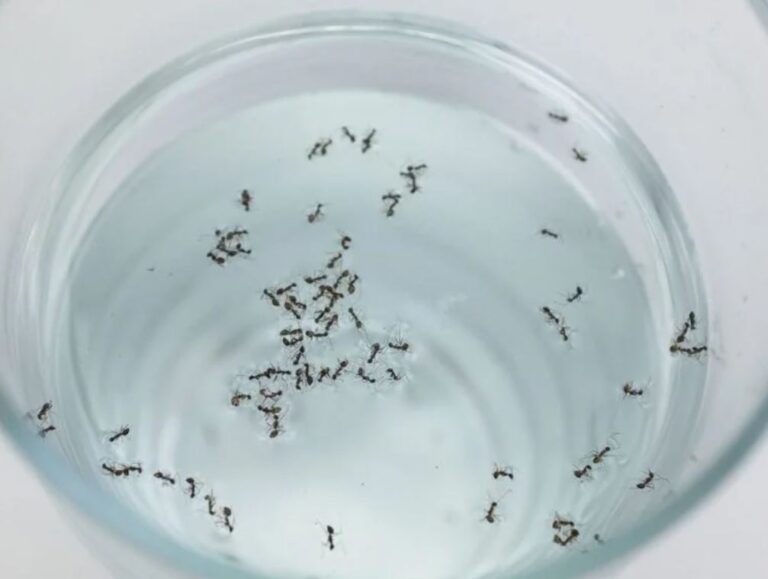
If you’ve noticed winged ants in your pool, you’re witnessing a fascinating—yet frustrating—natural event. These are not ordinary ants; they are reproductive alates participating in a nuptial flight, a seasonal mating ritual. While harmless, their presence in large numbers can clog skimmers, filters, and disturb your swim. This article explains why this happens and offers actionable solutions to manage and prevent the issue, keeping your pool pristine.
Why Winged Ants Swarm and End Up in Pools
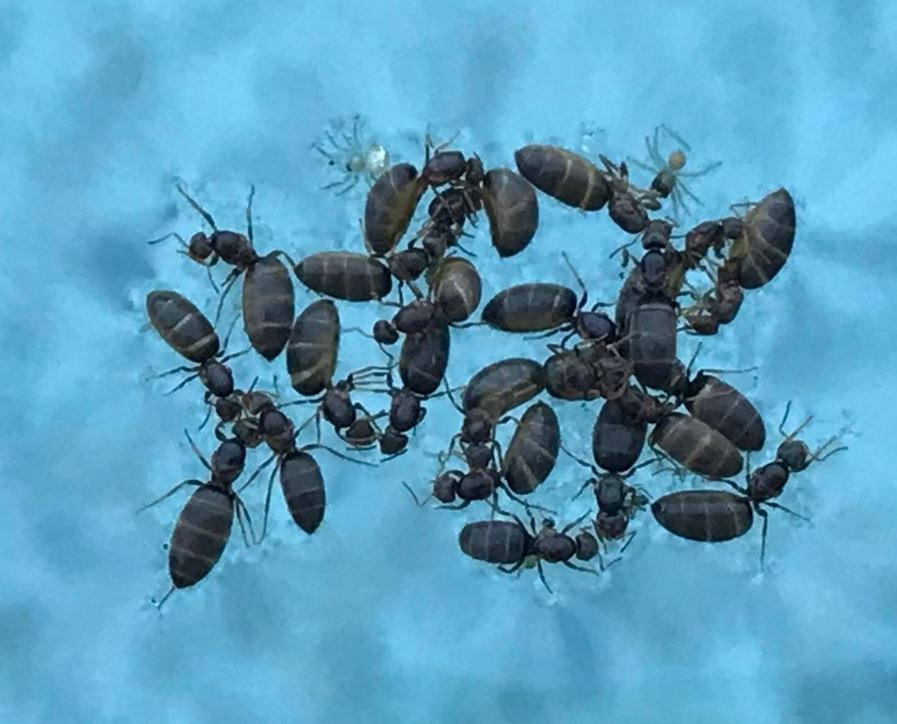
Winged ants, often mistaken for termites, are young queens and males leaving their nest to mate and establish new colonies. They are attracted to light reflections and water sources. A shimmering pool at dusk or night acts like a giant beacon, drawing them in. Once they hit the water, their wings become waterlogged, trapping them.
“A pool’s surface can mimic a natural body of water to these insects. The reflection and proximity often lead to mass drowning events after swarms,” notes Dr. Elaine Sterling, an urban entomologist.
Winged Ants vs. Termites: A Critical Identification
Before taking action, ensure you’re dealing with ants and not termites, as treatments differ. Here’s a quick comparison:
Table: Winged Ants vs. Winged Termites
| Feature | Winged Ants | Winged Termites |
|---|---|---|
| Waist | Pinched, narrow waist | Broad, straight waist |
| Antennae | Elbowed (bent) | Straight, bead-like |
| Wings | Front wings larger than hind wings; veins present | Two pairs of equal-length wings; minimal veining |
| Color | Often darker (black, brown, red) | Usually uniform pale or creamy white |
| Behavior | Seek light, attracted to water | Seek wood, avoid light after swarming |
Problems Caused by Winged Ants in Your Pool
- Clogged Filtration: Skimmer baskets and pump filters can become jammed with bodies, reducing water flow and straining your system.
- Water Chemistry: A large influx of organic matter can alter pH and chlorine levels, requiring extra testing and balancing.
- Unpleasant Cleanup: Skimming out hundreds of insects is a tedious task no pool owner enjoys.
Step-by-Step: How to Remove Winged Ants from Your Pool
- Immediate Skimming: Use a fine mesh leaf skimmer to remove as many ants as possible from the surface. Dispose of them away from the pool area.
- Check and Clean Filters: Empty the skimmer and pump baskets promptly. Backwash or clean the filter if you experienced a major swarm.
- Shock the Pool: After a major infestation, a routine chlorine shock treatment can help break down any residual organic matter and sanitize the water.
- Test and Balance: Test your pool water’s pH, alkalinity, and chlorine levels. Adjust as necessary to restore perfect balance.
Proactive Prevention Strategies
Prevention is key to avoiding future swarms.
Table: Prevention Methods & Their Effectiveness
| Method | How-To | Effectiveness |
|---|---|---|
| Light Management | Turn off pool and area lights at night during swarming season (late spring/summer). Use yellow bug lights. | High |
| Physical Barriers | Use a solid pool cover when not in use for extended periods. | Very High |
| Landscape Maintenance | Trim vegetation, locate and treat ant nests (with pool-safe products) at least 10-15 feet from the pool deck. | Medium-High |
| Surface Spray | A light mist of a pool-safe insect repellent (citronella-based) around the perimeter can deter some insects. | Low-Medium |
| Professional Pest Control | For recurring issues, have a pro treat the property perimeter and nest sites with long-lasting insecticides. | High |
“The single most effective thing a pool owner can do is light management. Simply keeping the pool area dark on warm, humid evenings can reduce swarms by over 80%,” advises Mark Rivera, a certified pool and spa operator.
Long-Term Solutions and Landscape Tips
- Redirect Water: Ensure sprinklers and irrigation aren’t creating puddles or soggy soil near the pool, which attracts nesting ants.
- Seal Entry Points: Caulk cracks in your pool deck and patio where ants may establish colonies.
- Bait Stations: Use ant bait stations away from the pool area to intercept foraging workers before they signal the colony to your space.
Conclusion: Enjoy a Pest-Free Pool
Finding winged ants in your pool is a common seasonal nuisance, but it’s manageable. By correctly identifying the insect, promptly cleaning up, and implementing strategic prevention methods like light control and landscaping, you can minimize disruptions. A little proactive care ensures your pool remains the refreshing oasis it’s meant to be—free of uninvited winged guests.