
Ants in House Water: Causes, Risks, and Effective Solutions

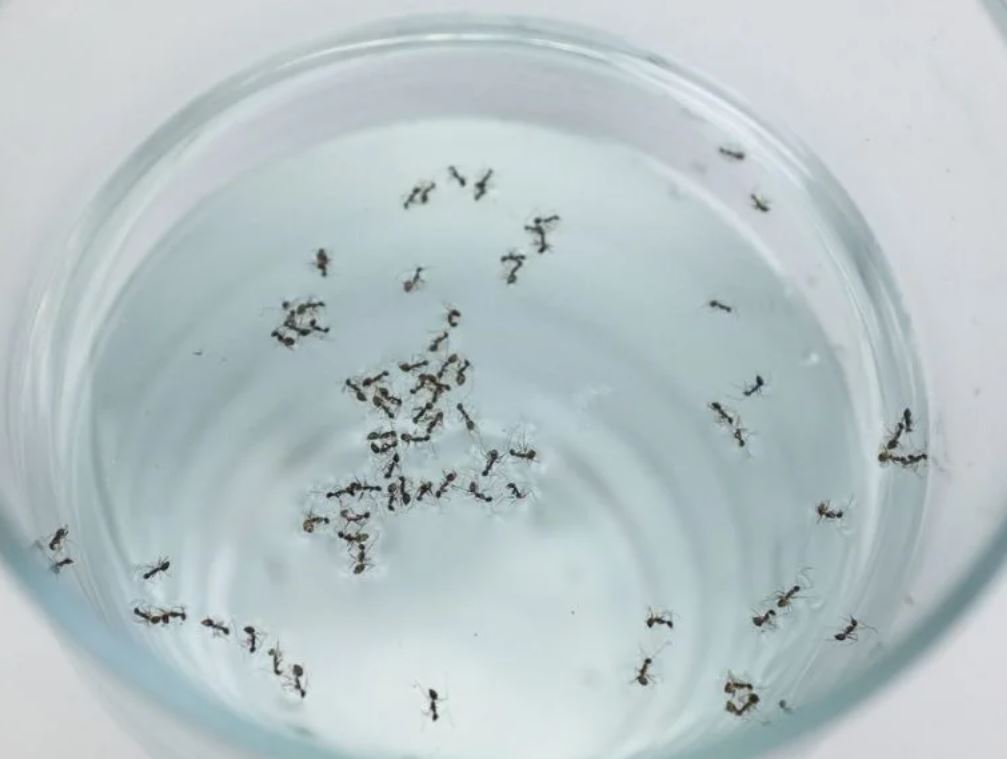
Finding ants in your house water—whether in pet bowls, sink basins, or even sealed containers—is a surprisingly common and unsettling issue. These tiny invaders are not just seeking food; they are often in desperate pursuit of moisture. As Dr. Eleanor Vance, an urban entomologist, notes, “Ants can detect water sources with remarkable precision. During dry periods or in climate-controlled homes, accessible water can draw entire colonies indoors.” This article explores why ants invade water, the risks involved, and provides a structured, actionable guide to solving and preventing the problem.
Why Ants Are Attracted to Water in Your Home
Ants need water for survival, just like any living creature. However, certain conditions make your home a prime target:
- Seasonal Dryness: During hot, dry weather, natural water sources outside diminish, pushing ants to seek moisture indoors.
- Colony Proximity: Nests built near foundations or in walls place ants already inside your “territory.”
- Poor Sanitation: Damp areas, leaky pipes, and standing water create perfect ant oases.
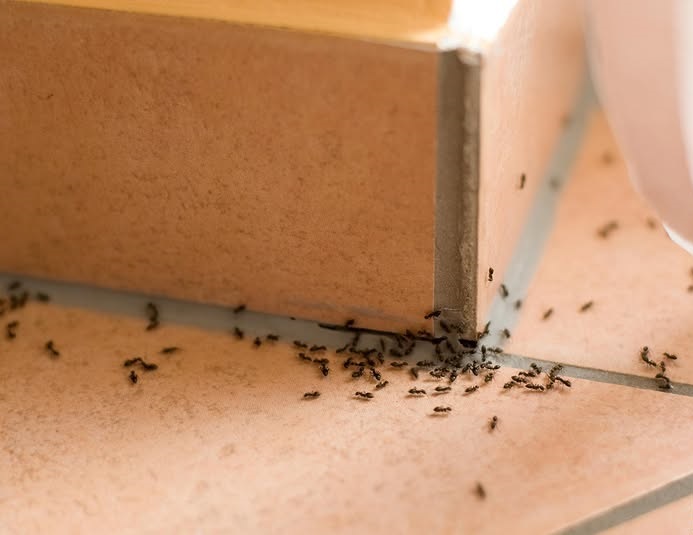
- Scent Trails: Scout ants leave pheromone trails leading directly to reliable water sources, prompting an influx of workers.
Potential Risks: Should You Be Worried?
While most common house ants (like odorous house ants or pavement ants) are not directly dangerous like some pests, their presence in water poses several concerns:
- Contamination: Ants carry bacteria (like E. coli or Salmonella) from soil and garbage into your water.
- Food Spoilage: Ants in pet water or kitchen areas can contaminate food.
- Indicator of Larger Issues: A consistent trail often points to a nearby nest, which could mean larger infestations.
- Electrical Hazards: Moisture-seeking ants (like rogue ants) sometimes short-circuit electrical units, posing a fire risk.
Identification: Common Ants Found in Water Areas
Not all ants behave the same. Here’s a quick comparison of the usual suspects:
| Ant Species | Size & Color | Water-Seeking Behavior | Nesting Preference | Risk Level |
|---|---|---|---|---|
| Odorous House Ant | Small, Dark Brown/Black | High – drawn to moisture | Inside walls, under floors | Low (Contamination) |
| Pavement Ant | Small, Dark Brown | Moderate | Under sidewalks, foundations | Low (Contamination) |
| Carpenter Ant | Large, Black/Red | Very High – need damp wood | Moist, decaying wood | High (Structural Damage) |
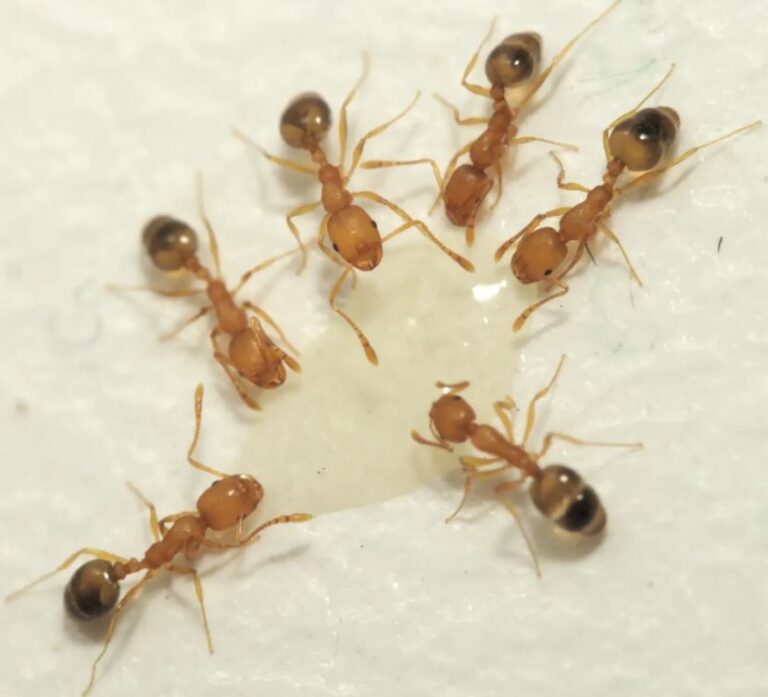
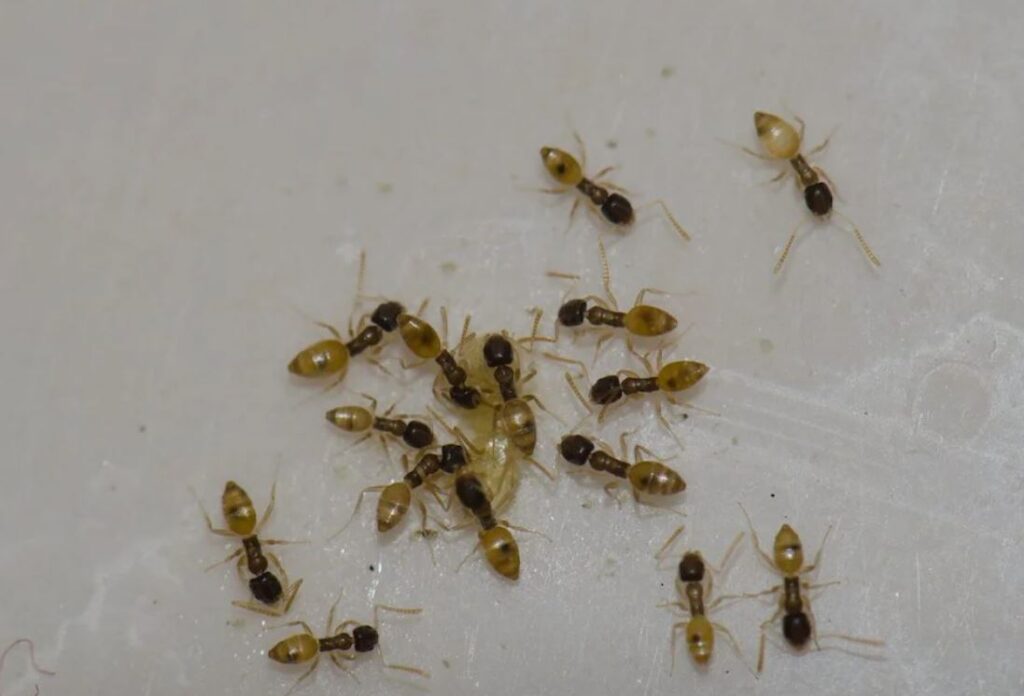
| Thief Ant | Tiny, Yellow-Brown | High – also seek grease/fat | Near other nests, wall voids | Moderate (Bacteria spread) |
| Pharaoh Ant | Very Small, Yellow | Extremely High – need constant moisture | Deep in walls, warm areas | High (Hard to eradicate, spread pathogens) |
Step-by-Step Solution Guide
1. Immediate Action: Eliminate the Current Invaders
- Remove Water Source: Empty and thoroughly clean all bowls, sinks, and wipe down wet surfaces.
- Use Vinegar Solution: Clean trails with a 50/50 vinegar and water mix. This disrupts pheromone paths.
- Seal Access Points: Use caulk to seal cracks around pipes, windows, and foundations.
2. Strategic Control: Choose the Right Bait
As pest control expert Mark Fernandez advises, “For moisture-loving ants, use liquid or gel baits. The workers carry the poison back to the colony, targeting the source, which is more effective than just spraying visible ants.”
- Borax/Sugar Baits: Mix 1 part borax with 3 parts sugar dissolved in water. Soak cotton balls and place near trails. Keep away from pets and children.
- Commercial Gel Baits: Effective for indoor use, especially in corners and along baseboards.
3. Long-Term Prevention: Make Your Home Uninviting
- Fix Leaks: Repair dripping faucets, pipe condensation, and any plumbing leaks.
- Manage Humidity: Use dehumidifiers in damp basements or crawl spaces.
- Pet Water Bowl Strategy: Place the bowl in a shallow dish of water to create a “moat” ants cannot cross.
- Landscaping: Keep mulch, plants, and soil at least 6 inches away from your home’s foundation.
- Regular Cleaning: Wipe down countertops, empty drains, and ensure no standing water exists.
When to Call a Professional
Consider professional pest control if:
- You identify carpenter ants or pharaoh ants.
- The infestation persists despite DIY methods.
- You suspect a nest within your home’s structure.
- You have recurring, large-scale invasions.
Conclusion: A Dry Home is an Ant-Free Home
Ants in your house water are primarily a sign of their relentless search for moisture. By understanding their motivation, correctly identifying the species, and implementing a strategy focused on elimination, baiting, and prevention, you can reclaim your space. The cornerstone of long-term control is simple: deny them access to water. Stay vigilant, fix leaks promptly, and maintain a dry environment to ensure these tiny invaders look elsewhere for their hydration needs.