
How to Get Rid of Pharaoh Ants: A Complete Elimination Guide

Meta Description: Struggling with a persistent Pharaoh ant infestation? Our detailed guide reveals proven strategies for identification, elimination, and prevention, including expert insights and method comparisons.
Pharaoh ants (Monomorium pharaonis) are more than just a nuisance; they are a resilient household pest and a significant concern in healthcare settings due to their ability to transmit pathogens. Their tiny size and complex colony structure make them notoriously difficult to eradicate. A standard pest control spray can often make the problem worse, causing the colony to fragment and spread—a process known as “budding.”
“Pharaoh ants are the ultimate survivors in the insect world,” notes Dr. Eleanor Vance, an urban entomologist. “Their multi-queen colonies and adaptive behavior mean that traditional ‘spray and pray’ methods are not just ineffective, but counterproductive. Success requires a strategic, patient, and bait-centric approach.”
Identifying Pharaoh Ants: Know Your Enemy
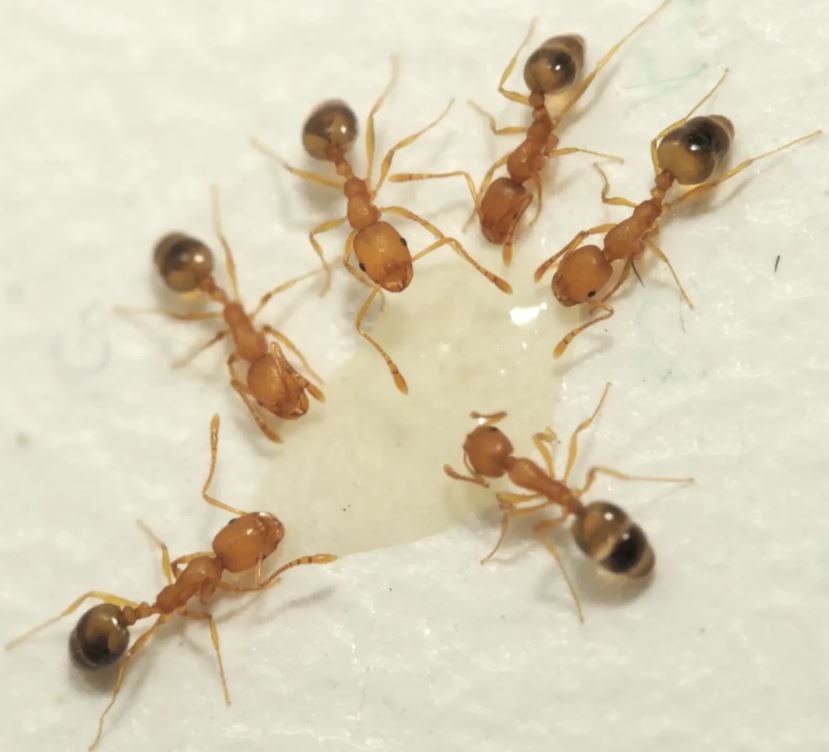
Before treatment, correct identification is crucial. Pharaoh ants are often confused with thief ants or small pavement ants.
- Size & Color: Very small, about 1/16 inch (1.5-2mm) long. Their bodies are typically pale yellow to reddish-brown, with a darker abdomen.
- Key Markings: They have a club-like segment at the end of their antennae, consisting of three progressively larger segments.
- Nesting Sites: Prefer warm, humid areas near moisture and food sources. Common nests are hidden in wall voids, behind baseboards, under floors, in electrical outlets, and even in linen closets.
A Step-by-Step Strategy for Elimination
Phase 1: Inspection and Sanitation
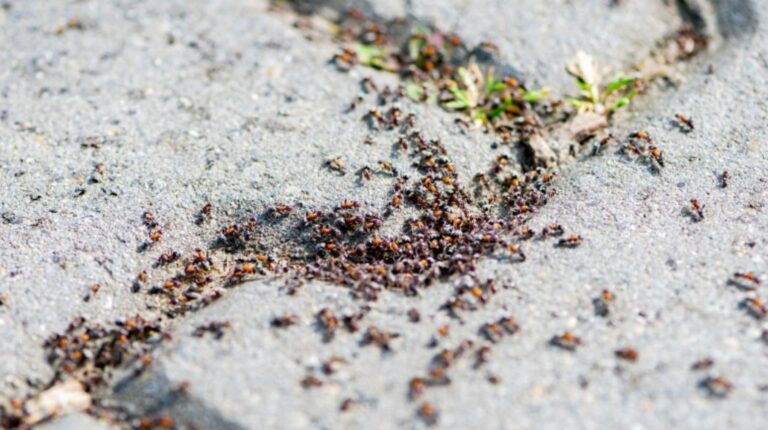
Action: Conduct a thorough inspection. Follow trailing ants to locate foraging routes and potential nesting areas. Pay special attention to kitchens, bathrooms, and utility rooms.
Sanitation: Eliminate food and water sources. Wipe up spills immediately, store food in airtight containers, fix leaks, and ensure trash is sealed and removed regularly. This forces ants to rely on your bait.
Phase 2: Strategic Baiting (The Most Critical Step)
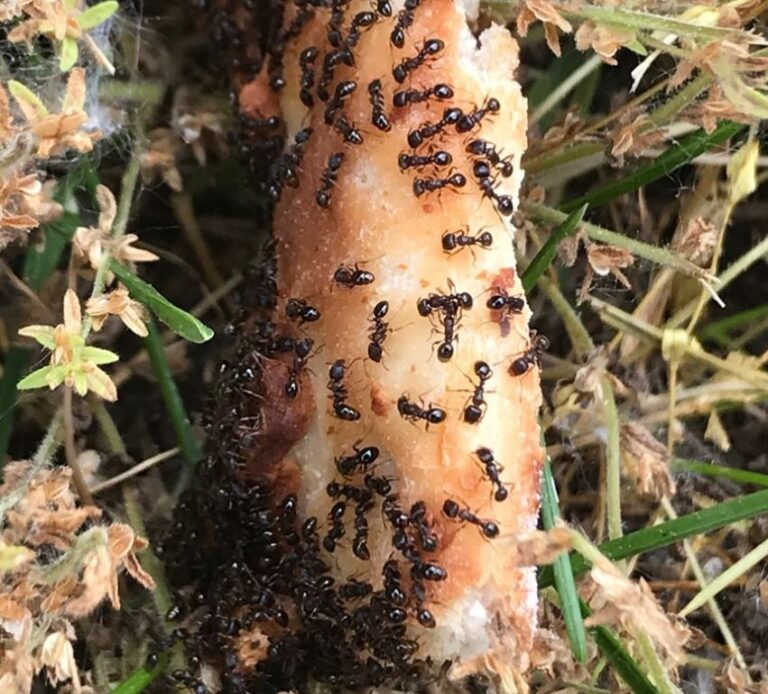
Baiting is the only reliable way to wipe out an entire colony. The worker ants must carry the slow-acting bait back to the nest to share with the queens and brood.
Choosing the Right Bait:
- Protein-based Baits: Effective during warmer months and when ants are foraging for brood food. (e.g., peanut butter, insect protein gels).
- Sugar/Carbohydrate-based Baits: Preferred in cooler seasons or when establishing new colonies. (e.g., borax-syrup mixes, commercial sugar gels).
- Rotation: If one bait isn’t accepted, try another type. Pharaoh ants can change their feeding preferences.
Application: Place small, pea-sized amounts of bait in many locations along ant trails. DO NOT SPRAY INSECTICIDES NEAR BAIT STATIONS. You will kill the essential worker ants needed to transport the poison.
Phase 3: Monitoring and Follow-up
Baiting takes time—often several weeks. Monitor bait stations and replenish as needed. Ant activity may initially increase, a sign the bait is working. Continue until all activity ceases.
Phase 4: Targeted Nest Treatment (If Possible)
If you can pinpoint a nest (e.g., inside an electrical outlet), a carefully applied dust insecticide (like diatomaceous earth or commercial insecticidal dust) can be effective. However, this is secondary to baiting and risks causing budding if done improperly.
Phase 5: Exclusion and Prevention
Seal entry points with caulk. Repair moisture problems. Maintain rigorous sanitation. Consider placing non-repellent insecticide barriers around the perimeter of your home as a preventative measure, but only after the indoor colony is eliminated.
Comparison of Pharaoh Ant Control Methods
| Method | How It Works | Pros | Cons | Best Used For |
|---|---|---|---|---|
| Bait Gels & Stations | Slow-acting poison is carried back to nest. | Eliminates entire colony, including queens. Targeted and low exposure. | Requires patience (2+ weeks). Ants may ignore bait if preference changes. | Primary solution for all infestations. |
| Non-Repellent Insecticide Spray | Creates an undetectable barrier; ants cross and transfer toxin. | Transferred through colony via grooming. Doesn’t cause immediate alert. | Does not provide immediate knock-down. Requires professional application. | Perimeter defense and supplementary treatment. |
| Insect Growth Regulator (IGR) | Disrupts larval development and queen reproduction. | Sterilizes the colony over time. Very effective long-term. | Very slow-acting. Must be combined with a bait for current population. | In combination with bait for severe, recurring problems. |
| Repellent Spray/Aerosols | Kills on contact and repels ants. | Immediate results for visible ants. | Causes colony budding, worsens infestation. Only kills foragers. | Not recommended for Pharaoh ants. |
| Diatomaceous Earth | Desiccates the ants’ exoskeleton. | Natural, non-toxic to mammals. | Slow; ineffective in humid areas where Pharaoh ants nest. Messy to apply. | Limited use in dry, enclosed voids. |
When to Call a Professional Pest Control Expert
Due to the high risk of infestation spread, calling a professional is often the wisest choice, especially in:
- Multi-unit dwellings (apartments, condos).
- Healthcare facilities (hospitals, nursing homes).
- Severe infestations where nests are inaccessible.
- Recurring problems after DIY attempts.
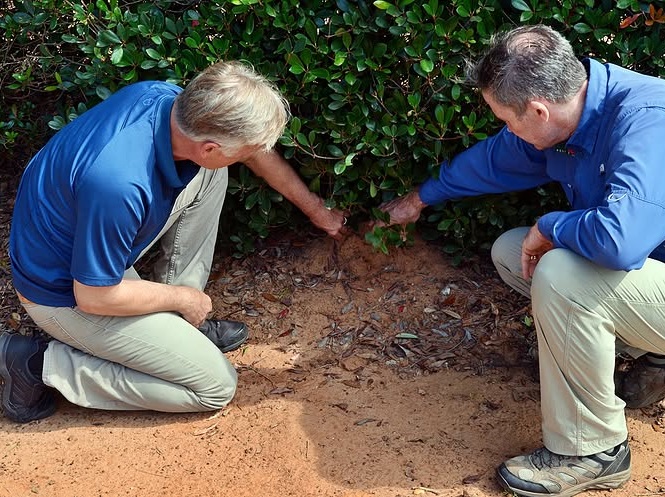
Professionals have access to a wider range of baits and tools, including specialized IGRs and application equipment. “A pro doesn’t just treat the ants you see,” says Carlos Mendez, a licensed pest control manager with 15 years of experience. “We perform a detailed inspection, implement a multi-phase baiting program, and schedule follow-ups to ensure the colony is destroyed at its roots.”
Key Takeaways for Success
- Positive ID is Essential: Ensure you’re dealing with Pharaoh ants.
- Bait, Don’t Spray: Repellent insecticides are your worst enemy in this fight.
- Be Patient: Colony elimination takes weeks, not days.
- Sanitation is Key: Cut off their food and water to make bait more attractive.
- When in Doubt, Call a Pro: The cost of professional service is often less than the cost of a prolonged, worsening infestation.
By understanding the unique biology of Pharaoh ants and employing a strategic, bait-based approach, you can reclaim your home from these persistent pests. Remember, consistency and the right methodology are the true keys to victory.