
Can Clorox Kill Ants? A Comprehensive Guide

Ant invasions are a common household nuisance, driving many to reach for whatever cleaning or chemical products are on hand. One question that frequently arises is: Can Clorox kill ants? The short answer is yes, Clorox bleach can kill ants on contact due to its corrosive properties. However, using it as an ant control method is ineffective, dangerous, and not recommended by pest control professionals.
This article will delve into the science behind bleach and ants, compare it to proper ant killers, and explain why you should avoid this approach for effective, safe pest management.
How Does Clorox (Bleach) Affect Ants?
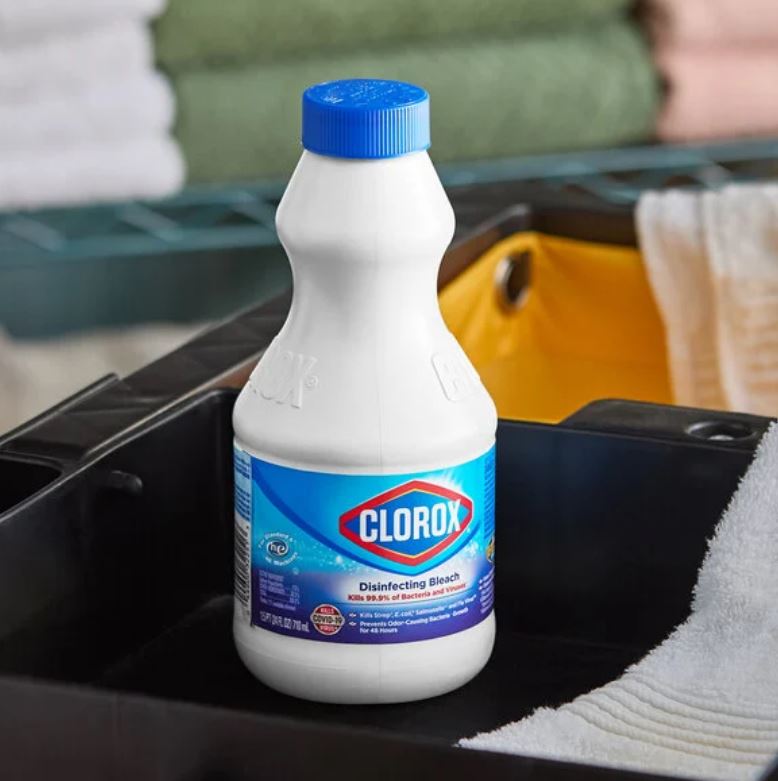
Clorox regular bleach is a potent chemical solution primarily made of sodium hypochlorite. Its function is to disinfect, sanitize, and break down organic matter.
- On Contact: When sprayed directly on ants, bleach can kill them by corroding their exoskeletons and disrupting their internal systems. It may also erase their scent trails temporarily.
- The Critical Flaw: Bleach is a surface cleaner, not a pesticide. It does not provide residual killing power. It evaporates and breaks down quickly, leaving no active compound behind to kill ants that cross the treated area later. More importantly, it does not address the colony.
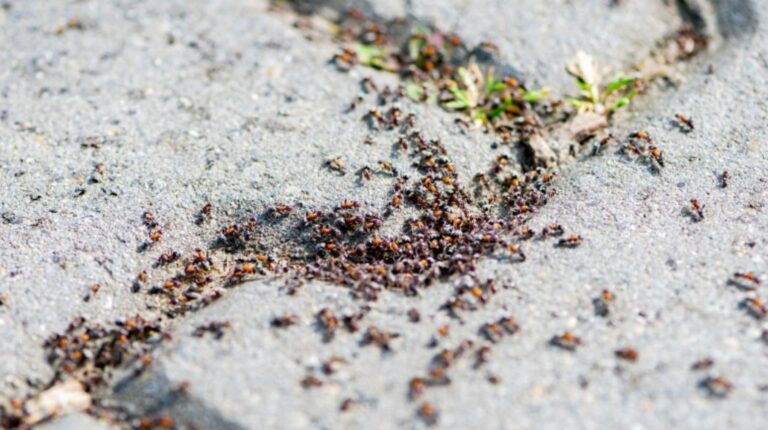
Ant colonies are complex systems with a queen deep within a nest. Killing a few worker scouts you see does nothing to eliminate the thousands of others—including the queen—still hidden away, ready to send more ants out.
Clorox vs. Professional Ant Killers: A Detailed Comparison
The table below illustrates why household bleach is a poor choice compared to products designed for ant elimination.
| Feature | Clorox (Bleach) | Professional Ant Baits & Insecticides | Verdict |
|---|---|---|---|
| Primary Purpose | Disinfecting, Cleaning, Whitening | Killing Insects & Colonies | Ant Killers Win |
| Killing Mechanism | Contact-only, corrosive. | Various: contact, ingestion, residual, IGRs. | Ant Killers Win |
| Effect on Scent Trails | May disrupt temporarily. | Specifically designed to disrupt or exploit trails. | Ant Killers Win |
| Colony Elimination | Ineffective. Cannot reach or kill the queen. | Highly Effective. Baits are carried back to the nest. | Ant Killers Win |
| Residual Effect | None. Evaporates quickly. | Days to weeks of protection. | Ant Killers Win |
| Safety Risk | Very High. Toxic fumes, skin/eye damage, hazardous mixtures. | Low to Moderate when used as directed. | Ant Killers Win |
| Environmental Impact | Harsh, can damage plants/soil. | Varies; many target-specific options available. | Contextual |
The Significant Dangers of Using Bleach on Ants
- Health Hazards: Bleach fumes can irritate the eyes, nose, throat, and lungs. It can cause chemical burns on skin and is extremely dangerous if mixed with ammonia or vinegar (common in other cleaners), creating lethal chlorine or mustard gas.
- Property Damage: Bleach can discolor carpets, fabrics, wood finishes, and paints. Spraying it outdoors can kill grass and desirable plants.
- Ineffective Strategy: As shown, it provides only a temporary, superficial fix. It can even scatter ants, causing them to establish sub-colonies and making the problem worse.
- Pets & Children: Puddles or residues of bleach are a poisoning risk for curious pets and children.
What Professional Exterminators Recommend: Effective Alternatives
For a true solution, you must target the entire colony. Here are the proven, professional-recommended methods:
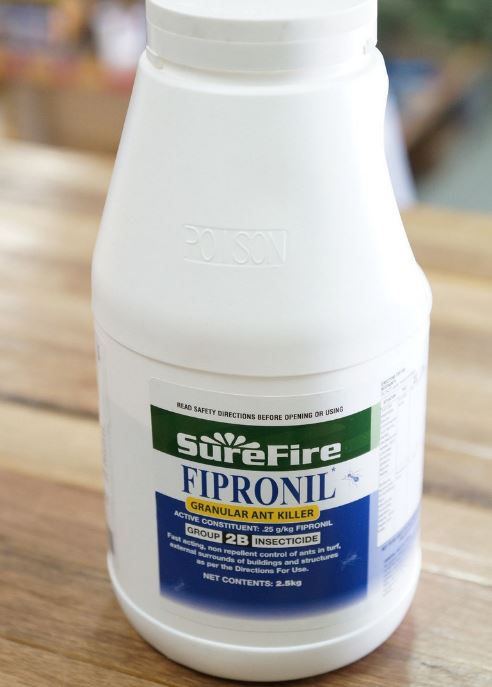
- Ant Baits (The Gold Standard): These contain a slow-acting poison mixed with an attractive food source (sugar, protein). Worker ants consume the bait and carry it back to the nest, where they share it with the queen and larvae. This method eradicates the colony at its source.
- Examples: Terro Liquid Baits (for sugar-loving ants), Advion Ant Gel, Combat stations.
- Residual Insecticide Sprays/Dusts: These are applied around entry points, baseboards, and foundations. They leave an active layer that kills ants (and other insects) for weeks after application. Some products contain Insect Growth Regulators (IGRs) that disrupt the ant life cycle.
- Examples: Ortho Home Defense, Delta Dust, Temprid FX.
- Diatomaceous Earth (DE): A natural, non-toxic powder made from fossilized algae. It works by scratching the ants’ waxy exoskeleton, causing them to dehydrate and die. Effective as a barrier but slower acting.
- Prevention: The best cure is prevention. Seal cracks, clean up food spills, store food in airtight containers, manage moisture issues, and trim vegetation away from your home’s exterior.
Step-by-Step: The Professional Approach to Ant Control
- Identify & Observe: Don’t just kill the scouts. Watch their movement. Where are they entering? Where are they going? This tells you the trail and helps locate the nest.
- Choose Your Weapon: For most common household ants (odorous, pavement, carpenter), start with baits. Place them directly on the trail you observed.
- Be Patient: When you first place baits, you may see more ants. This is a good sign—it means they’re taking the poison back to the nest. Do not spray them!
- Supplement with Barriers: Once baiting is underway, apply a residual spray or dust around the home’s perimeter to block new ants from entering.
- Clean Thoughtfully: Use vinegar or soapy water (not bleach) to clean trails away from bait stations, as these disrupt scent trails without leaving toxic residues.
Conclusion
So, can Clorox kill ants? Technically, yes—on contact. But should you use Clorox to kill ants? Absolutely not.
Using Clorox bleach is a hazardous, counterproductive, and ultimately futile method for ant control. It poses significant health and safety risks, can damage your home, and fails to address the root of the problem: the hidden colony.
For a true and lasting solution, invest in ant-specific baits and insecticides designed to eliminate the entire colony. When in doubt or facing a severe infestation, consulting a professional exterminator is always the most effective and safe course of action. Ditch the bleach and reach for the right tool for the job.