
Are Pharaoh Ants Dangerous? Understanding the Tiny Pest with Big Risks

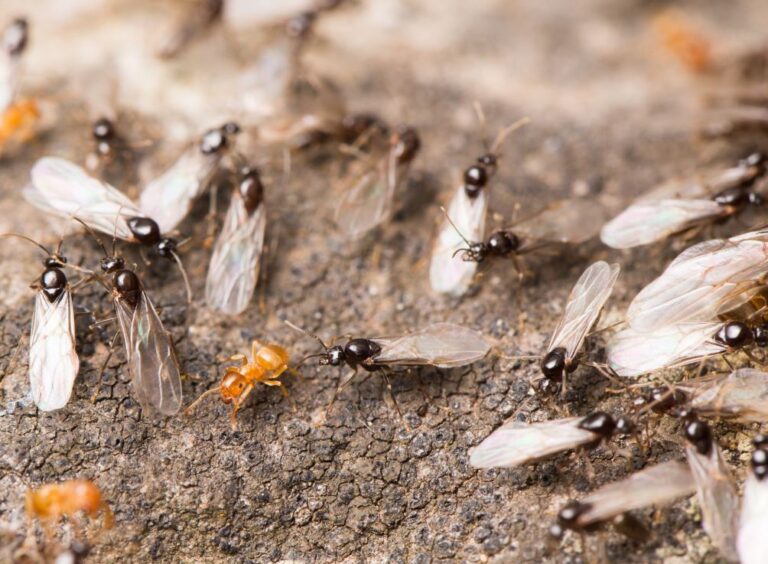
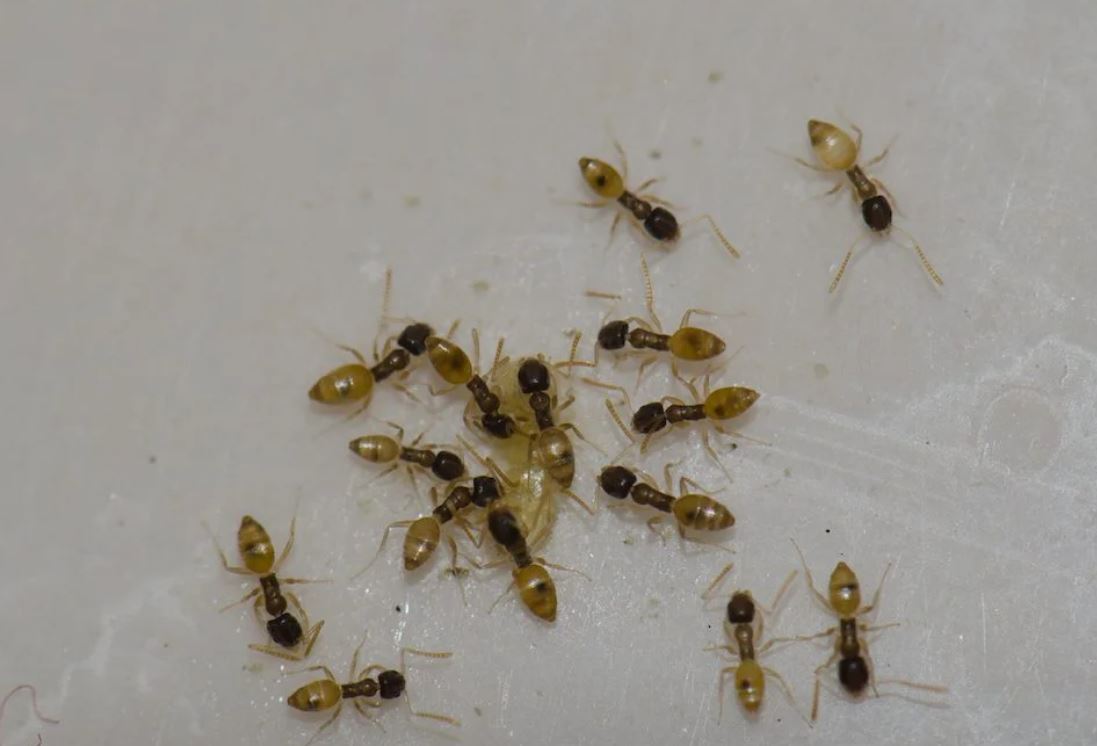
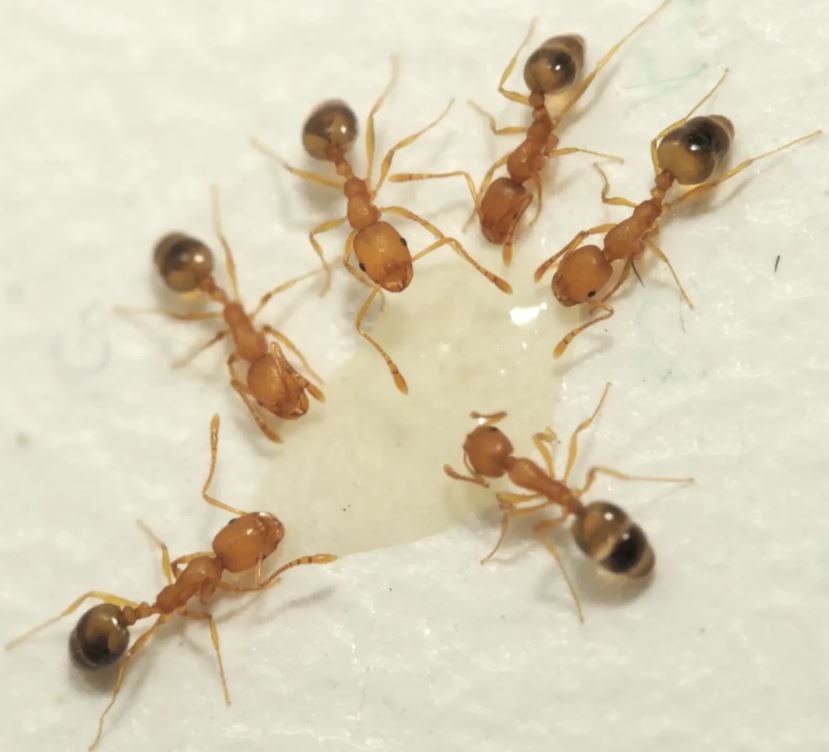
Pharaoh ants (Monomorium pharaonis) are more than just a nuisance in your kitchen. These tiny, light-yellow to reddish insects, measuring only about 1.5-2 mm in length, have earned a notorious reputation worldwide. But are they truly dangerous, or simply annoying? The answer is complex and significant, particularly for healthcare facilities, food service industries, and homeowners alike. This article explores the real risks posed by Pharaoh ants and why professional intervention is often required.
“Pharaoh ants are among the most difficult household ants to control because they have multiple queens and can split their colonies through a process called budding. This makes DIY eradication attempts often futile and can even worsen the problem.” — Dr. Eleanor Shaw, Urban Entomologist
The Primary Dangers of Pharaoh Ants
While they don’t sting and rarely bite humans, the danger from Pharaoh ants is multifaceted, revolving around contamination, infrastructure damage, and public health.
1. Public Health and Contamination Risks
Pharaoh ants are attracted to moisture and a vast array of food sources. In their quest for sustenance, they traverse highly contaminated areas—including drains, garbage, wound dressings, and even bodily fluids—before marching across sterile surfaces, food preparation areas, and medical equipment.
- Pathogen Transmission: Studies have shown they can mechanically transmit over a dozen pathogens, including Salmonella, Staphylococcus, Streptococcus, and Clostridium. In hospitals, they have been found in intravenous lines, surgical wounds, and newborn incubators.
- Food Contamination: In homes and restaurants, they contaminate food supplies, leading to spoilage and potential foodborne illness.
2. Structural and Electrical Hazards
These ants seek out warm areas for nesting, which often leads them into electrical outlets, appliances, and machinery.
- Fire Risk: Their tendency to nest inside electrical boxes and appliances can cause short circuits, leading to equipment failure and creating a potential fire hazard.
- Property Damage: They can damage insulation, packaging, and sensitive equipment.
3. Infestation Scale and Difficulty of Control
The true danger is amplified by their biology. A single colony can contain hundreds of thousands of workers and multiple queens. When threatened or treated with non-targeted insecticides, colonies “bud,” splitting into several new colonies and spreading the infestation throughout a structure. This makes them a persistent and escalating problem.
Pharaoh Ants vs. Common Household Ants: A Risk Comparison
The table below highlights why Pharaoh ants are considered a higher-risk pest compared to typical nuisance ants.
| Feature | Pharaoh Ant | Common Odorous House Ant | Carpenter Ant |
|---|---|---|---|
| Primary Danger | Biological contamination, electrical faults, rapid spread. | Nuisance, minor contamination. | Structural damage to wood. |
| Pathogen Carrier | High risk. Known to carry serious bacteria. | Low to moderate risk. | Very low risk. |
| Infestation Scale | Massive, with multiple queens and satellite colonies. | Large, but single-queen colonies. | Large, but single primary colony. |
| Control Difficulty | Extremely High. Requires specialized baits and strategies. | Moderate. Often manageable with baits. | High. Requires finding and treating the nest. |
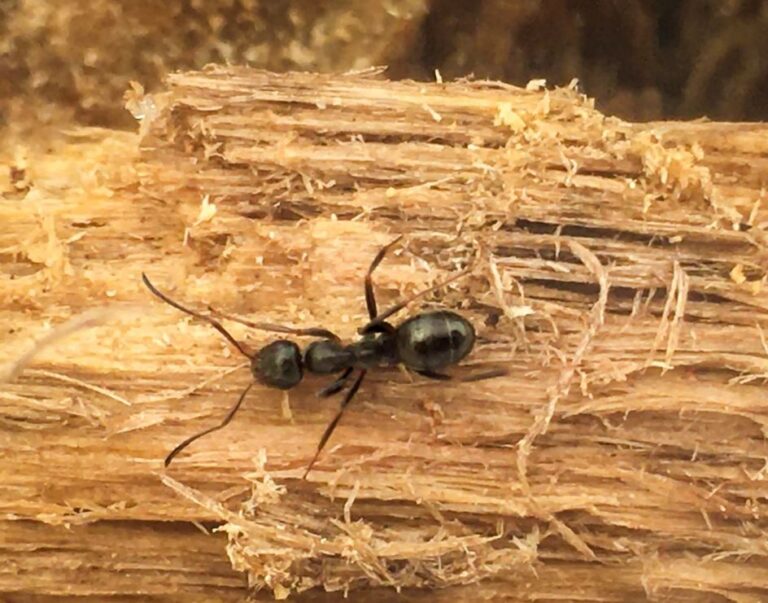
| Typical Habitat | Indoors. Inside wall voids, electrical outlets, appliances. | Outdoors with indoor foragers. Nest near moisture. | Moist, decaying wood (indoors/outdoors). |
| “Budding” Response | Yes. Colonies split when threatened, worsening infestations. | No. Typically scatter and reform. | No. |
High-Risk Environments: Where the Danger is Greatest
The threat level of Pharaoh ants is context-dependent.
- Hospitals & Healthcare Facilities: Extremely Dangerous. Here, they are a critical public health pest, threatening vulnerable patients and compromising sterile environments. Eradication requires specialized, hospital-grade pest control protocols.
- Food Processing & Restaurants: Very Dangerous. They lead to food contamination, regulatory violations, business closures, and reputational damage.
- Multi-Unit Housing & Hotels: Highly Problematic. They easily spread between units via wiring and plumbing, causing widespread complaints and health concerns.
- Single-Family Homes: Problematic & Persistent. While the immediate health risk may be lower than in hospitals, infestations are notoriously difficult to eliminate and pose contamination and nuisance issues.
What to Do If You Suspect a Pharaoh Ant Infestation
- Proper Identification: Don’t assume. Use online resources or consult a professional. Their tiny size, light color, and distinctive dark-tipped abdomen are key identifiers.
- Avoid Over-the-Counter Sprays: Spray insecticides will kill visible workers but scatter the colony, causing budding and a much larger, hidden infestation.
- Practice Sanitation: Eliminate food and water sources. Clean spills, store food in sealed containers, and fix leaks.
- Call a Professional Pest Control Service (Pest Management Professional – PMP): This is the most crucial step. PMPs have access to specialized bait formulations that are slow-acting, allowing workers to carry the poison back to the heart of the colony, effectively eliminating multiple queens and satellites.
“In managing Pharaoh ants, we are not just killing ants we see; we are conducting strategic colony elimination. The wrong insecticide is like performing surgery with a hammer—it does more damage than good.” — Mark Chen, Certified Pest Management Professional
Conclusion: A Significant Threat Requiring Expert Attention
Yes, Pharaoh ants are dangerous. Their danger lies not in aggression but in their potential as vectors of disease, their capacity to damage property, and their extraordinary resilience and ability to proliferate. Unlike many household pests, a DIY approach is not only ineffective but likely to exacerbate the problem. Recognizing the signs of an infestation—trails of tiny, light-colored ants near moisture or warmth—and seeking immediate professional assistance is the only sure way to protect your health, property, and peace of mind from these formidable, tiny invaders.