
The Comprehensive Guide to Flying Ants in Texas: Identification, Seasonality, and Management

In Texas, the appearance of swarming, winged ants is a common seasonal occurrence that often causes concern among homeowners and businesses. These “flying ants” are not a distinct species but rather reproductive members of ant colonies taking part in a critical phase of their life cycle: the nuptial flight. This article provides a professional, scientifically accurate guide to understanding, identifying, and managing flying ants in the Lone Star State, with SEO-optimized content for those seeking authoritative information.
What Are Flying Ants?
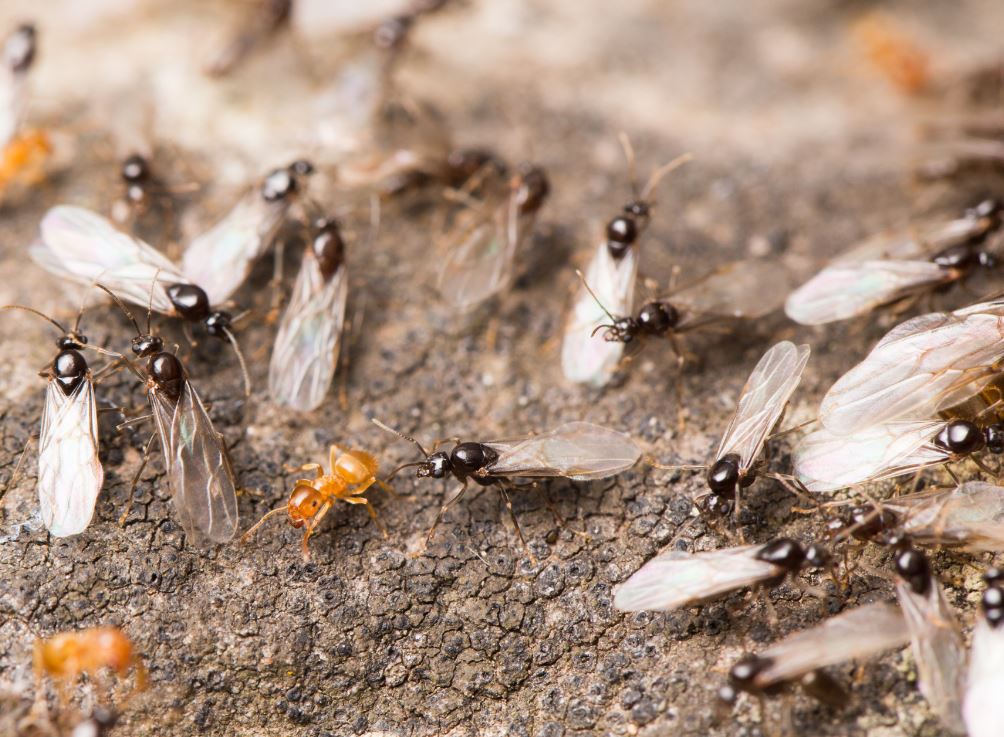
Flying ants are the reproductive males and females (alates) of an ant colony that develop wings to participate in mating swarms. After mating, males die, and fertilized females shed their wings to become new queens, establishing fresh colonies. This swarming behavior is often mistaken for termite activity, making accurate identification crucial for proper management.
Common Flying Ant Species in Texas
Texas hosts numerous ant species, several of which produce noticeable flying swarms. The most prevalent include:
- Red Imported Fire Ant (Solenopsis invicta): Perhaps Texas’ most notorious ant, their swarmers are dark reddish-brown and typically emerge after rain in late spring/summer.
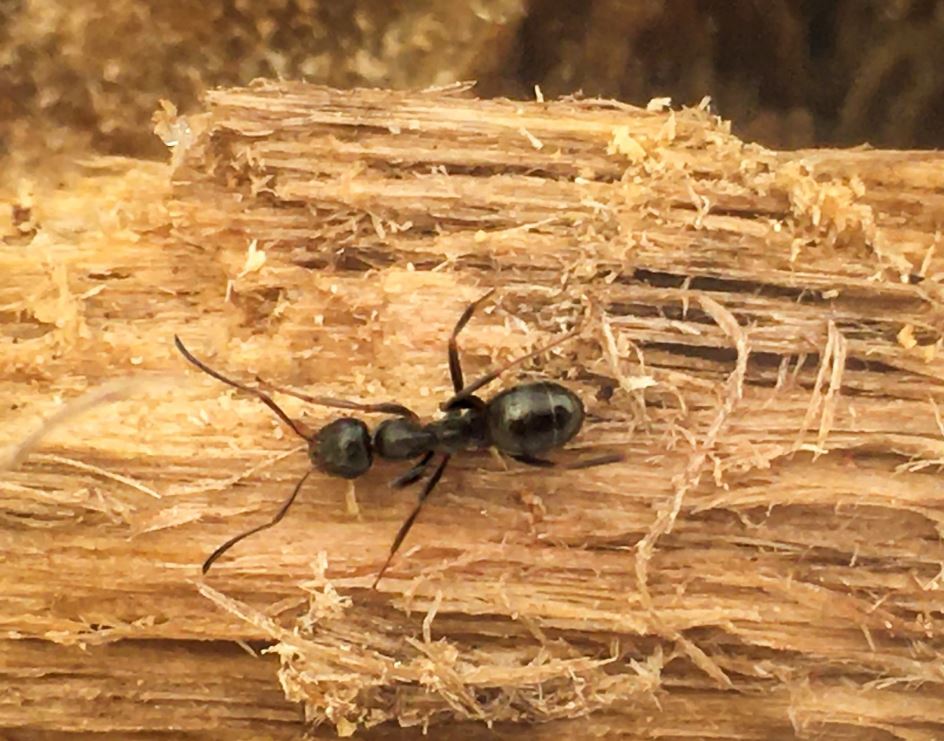
- Carpenter Ant (Camponotus spp.): Larger than most ants (up to ½ inch), these swarmers are black or dark brown and indicate a mature, often structural, nest nearby.
- Acrobat Ant (Crematogaster spp.): Named for their heart-shaped abdomen held over their thorax when disturbed. Swarmers are common in spring and fall.
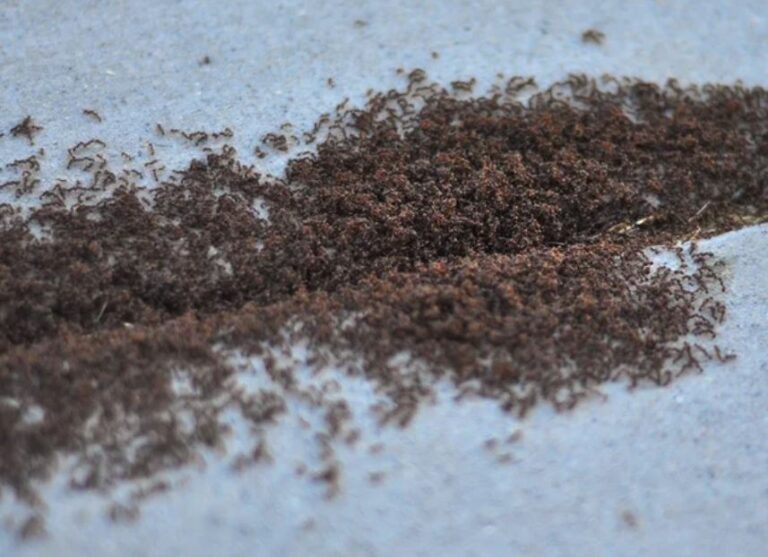
- Rasberry Crazy Ant (Nylanderia fulva): An invasive species forming massive swarms in late summer. They are reddish-brown and move erratically.
- Texas Leafcutter Ant (Atta texana): Known for foraging lines, their large swarmers emerge in significant nocturnal flights after spring rains.
Flying Ants vs. Termites: A Critical Distinction
Misidentifying flying ants as termites (or vice versa) can lead to inappropriate and costly actions. Here is a detailed comparison:
Table 1: Key Differences Between Flying Ants and Termite Swarmers
| Feature | Flying Ants | Termite Swarmers (Subterranean) |
|---|---|---|
| Body Shape | Pinched, clearly defined waist (three body segments). | Rectangular, no pinched waist (two body segments). |
| Antennae | Elbowed (bent). | Straight, bead-like. |
| Wings | Two pairs of wings, noticeably different in size. Hind wings are smaller. | Two pairs of wings of equal size and length, nearly twice the body length. |
| Wing Veins | Fewer veins. | Numerous, visible veins. |
| Color | Often dark; body color varies by species. | Wings are milky/translucent; body is uniform dark brown or black. |
The Texas Flying Ant Season: When to Expect Swarms
Swarming is temperature and humidity-dependent, often triggered by warm weather and recent rainfall. While timing varies by species and region, general patterns exist across Texas.
Table 2: Typical Swarming Seasons for Common Texas Ants
| Species | Primary Swarming Season | Typical Time of Day | Common Triggers |
|---|---|---|---|
| Red Imported Fire Ant | Late Spring – Summer (Apr-Aug) | Daytime, often afternoon | Warm days after rain |
| Carpenter Ant | Spring – Early Summer (May-Jul) | Evening / Night | High humidity |
| Acrobat Ant | Spring & Fall | Daytime | Mild temperatures |
| Rasberry Crazy Ant | Late Summer (Jul-Sep) | Daytime | High population density |
| Texas Leafcutter Ant | Spring (Apr-Jun) | Night, after sunset | Significant spring rains |
Note: In warmer regions of South Texas, swarms can occur earlier and last longer.
Are Flying Ants a Threat?
- To Structures: Generally, most flying ants do not damage sound wood. Carpenter ants are the primary exception, as they excavate moist, decaying wood to create galleries, potentially causing structural damage over time.
- To Health: Flying ants themselves are not disease vectors. However, Red Imported Fire Ants deliver painful, venomous stings that can cause severe allergic reactions in some individuals.
- As a Nuisance: Swarms can be immense, involving thousands of insects. They are attracted to light and can invade homes, pool areas, and outdoor events, creating significant short-term nuisance.
Professional Management and Prevention Strategies
1. Immediate Response to a Swarm
- Remain Calm: Swarms are temporary, often lasting only 30-60 minutes.
- Limit Access: Close windows and doors. Turn off unnecessary outdoor lights, which attract swarmers.
- Vacuums: Use a vacuum to clean up indoor swarmers. Dispose of the bag promptly.
- Do Not Spray Flying Insects: Spraying swarmers is ineffective for colony control and may worsen indoor infestations by preventing them from exiting.
2. Long-Term Prevention
- Exclusion: Seal cracks around foundations, windows, doors, and utility lines with silicone caulk.
- Moisture Control: Fix leaky pipes, ensure proper drainage, and use dehumidifiers in crawl spaces. This deters moisture-loving species like carpenter ants.
- Landscape Management: Keep mulch, leaf litter, and firewood piles away from the home’s foundation. Trim tree branches and vegetation touching the house.
- Sanitation: Keep food in sealed containers, clean up spills, and manage trash diligently to avoid attracting foraging ants.
3. When to Call a Professional Pest Control Service
Contact a licensed Texas pest control professional if you observe:
- Persistent indoor swarms (indicating an indoor nest).
- Signs of a carpenter ant infestation (sawdust-like frass, rustling in walls).
- Multiple large outdoor mounds (fire ants).
- Inability to control recurring ant problems with DIY methods.
Conclusion: Coexisting with Texas’ Natural Cycles
The appearance of flying ants in Texas is largely a natural, seasonal event tied to reproduction. While they can be a nuisance, understanding their biology and role is the first step toward effective management. Accurate identification—ensuring they are not termites—is paramount. By focusing on exclusion, moisture control, and targeted outdoor colony management, homeowners can minimize the impact of these seasonal swarms. For persistent or structural concerns, partnering with a professional pest management company ensures the use of safe, effective, and long-term solutions tailored to Texas’s unique ant species.