
The Ultimate Guide to How to Attract Ants: For Science, Observation, and Control

Introduction: Why Would You Want to Attract Ants?
The question “how to attract ants” might seem unusual, but it serves multiple important purposes. Entomologists, gardeners, pest controllers, photographers, and educators all have valid reasons for drawing ants to a specific area. Whether you’re conducting a scientific experiment, trying to lure ants away from your home, or creating an observation habitat, understanding ant attraction is key. This comprehensive, SEO-optimized guide will delve into the science of ant behavior and provide actionable, step-by-step methods to effectively and ethically attract these fascinating social insects.
Understanding Ant Biology: The Foundation of Attraction
Before placing any bait, you must understand what drives ant behavior. Ants are primarily motivated by the colony’s needs: food, water, and shelter. Their sophisticated communication relies heavily on pheromones—chemical scent trails that lead nestmates to resources.
Key Motivators for Ants:
- Carbohydrates: Provides energy for worker ants. Sourced from honeydew (secreted by aphids), nectar, and sweet substances.
- Proteins: Essential for larval growth and queen reproduction. Sourced from other insects, seeds, and meat.
- Fats: For energy storage.
- Water: Crucial for colony survival, especially in dry climates.
- Shelter: Protected nesting sites with ideal humidity and temperature.
Method 1: Attracting Ants for Observation & Study
Creating a natural observation area is perfect for educators, students, and nature enthusiasts.
Step-by-Step Process:
- Choose a Location: Select a quiet, undisturbed outdoor area—a corner of a garden, near a tree base, or a quiet patio space.
- Use the Right Bait: Place varied baits on small, flat pieces of cardboard or plastic lids for easy monitoring.
- Sweet Baits: A tiny drop of honey, maple syrup, or a sugar-water solution (mix 1 part sugar to 1 part water).
- Protein Baits: A small piece of crushed, boiled egg, dead insect (like a cricket from a pet store), or a dab of peanut butter.
- Be Patient: Check baits after 30-60 minutes. Ants discover food by random foraging, not instantly.
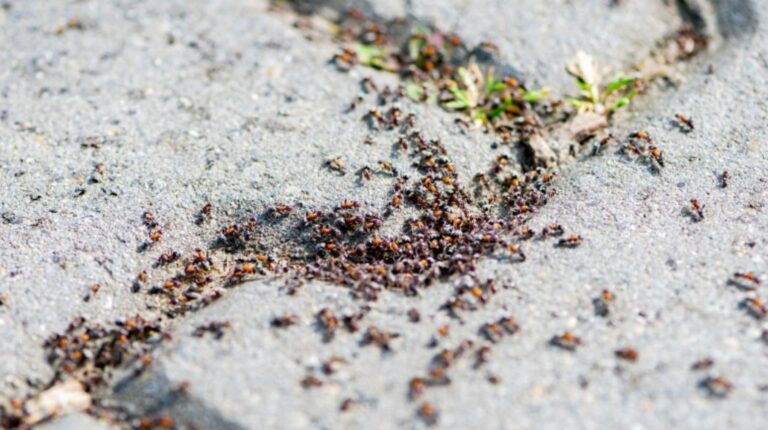
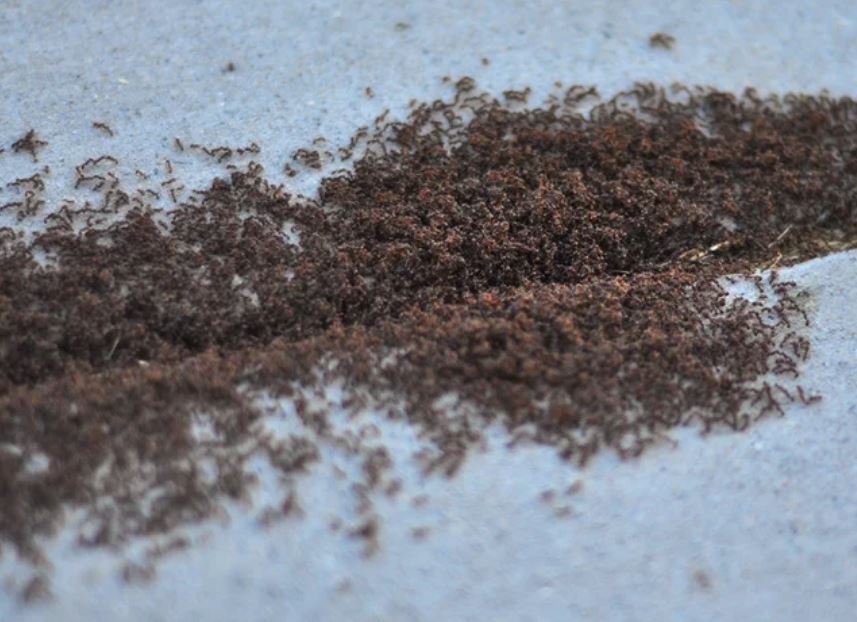
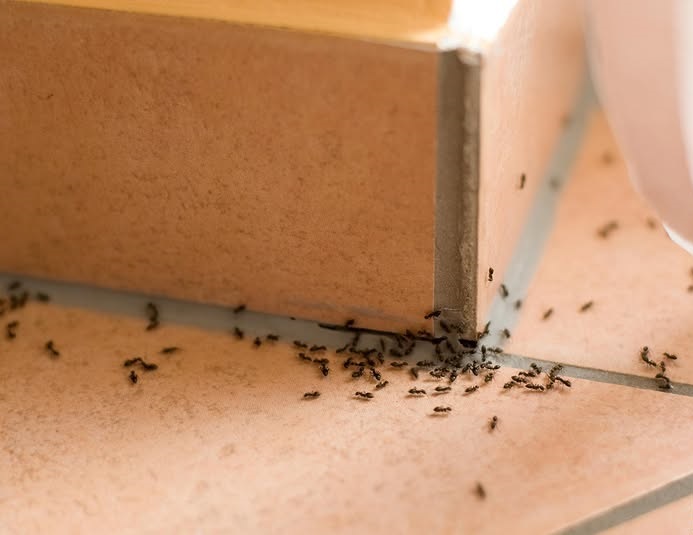
- Follow the Trail: Once ants find the bait, they will lay a pheromone trail. Observe their orderly line back to the nest to learn its location.
Comparison Table: Baits for Observation
| Bait Type | Specific Example | Best For Ant Type | Speed of Attraction | Pros | Cons |
|---|---|---|---|---|---|
| Liquid Sweet | Sugar water, Honey | Most species, especially Odorous House, Pavement | Medium-High | Easy to see ants feeding; highly attractive | Can drown ants; messy |
| Solid Sweet | Granulated sugar, Jelly | Carpenter, Argentine | Slow-Medium | Less messy; longer-lasting | Can be carried off, less visible |
| Protein/Fat | Peanut Butter | Fire ants, Harvester ants | Medium | High nutritional value; sticks to ants | Can mold quickly |
| Protein | Crushed boiled egg, dead insects | Protein-foraging species | Medium | Mimics natural food source | Decomposes and smells rapidly |
Method 2: Attracting Ants to a Specific Trap or Bait Station
This method is crucial for Integrated Pest Management (IPM), where the goal is to monitor or control ant populations.
- Use Commercial Baits: Purchase ant bait stations from a store. These contain slow-acting insecticides mixed with attractive food. Worker ants carry the poison back to the nest, eliminating the colony at its source.
- DIY Bait Station: Create a safe, protected feeding area.
- Take a small plastic container with a lid.
- Punch small holes (only large enough for ants) around the sides.
- Place your bait (e.g., borax mixed with sugar water or peanut butter) inside.
- This protects the bait from pets, weather, and non-target insects.
Method 3: Creating a Long-Term Ant Habitat
To attract a colony to nest, you must provide ideal conditions.
- Moisture: Slightly damp soil is attractive to many species. Consider a slow-dripping water source.
- Shelter: Flat stones, rotting logs, or undisturbed piles of leaves or mulch provide perfect nesting sites.
- Food Security: Planting ant-attracting plants like peonies, roses (which often host aphids), or small flowering herbs can create a sustainable ecosystem.
What NOT to Do: Common Mistakes
- Using Repellents Nearby: Don’t place bait near cinnamon, vinegar, peppermint oil, or commercial repellents. These disrupt pheromone trails.
- Disturbing the Trail: Avoid blocking or cleaning the path ants create between the bait and their nest.
- Using Solely Insecticide Sprays: Killing forager ants with sprays removes the scouts but not the colony. The queen will simply send more, and you lose the trail back to the nest.
- Attracting Indoors: Be intentional. Placing sweet bait on your kitchen counter will invite an unwanted infestation.
Advanced Tips: Attracting Specific Ant Species
Different ants have different preferences. Use this table to target your efforts.
| Ant Species | Preferred Food | Preferred Nesting Site | Best Bait Strategy |
|---|---|---|---|
| Carpenter Ants | Proteins & Sugars (insects, honeydew) | Moist, decaying wood | Use tuna or honey near suspected wood damage in spring/summer. |
| Fire Ants | Proteins & Fats (insects, oils) | Sunny, loose soil mounds | Use a dab of peanut butter or a commercial oil-based fire ant bait. |
| Argentine Ants | Sweets (honeydew, sugars) | Shallow, moist soil under objects | Sugar water or diluted honey placed on a flat surface. |
| Harvester Ants | Seeds (primarily) | Dry, open soil with clear mound | Use grass or wildflower seeds as bait. |
| Odorous House Ants | Sweets (indoor sugars) | Wall cavities, under floors | Tiny drop of maple syrup or jam on an index card. |
Ethical and Safety Considerations
- Do No Harm: If observing, consider not killing the colony. Ants are vital ecosystem engineers for aeration, seed dispersal, and pest control.
- Responsible Control: If dealing with an infestation, opt for targeted bait stations over broad-spectrum sprays to minimize ecological impact.
- Safety: Wear gloves if handling unknown species. Avoid attracting ants in areas with small children or allergic individuals (especially relevant for fire ants).
Conclusion: The Art and Science of Ant Attraction
Successfully attracting ants hinges on understanding their complex biology and social needs. By using the right bait for the right species, placed strategically and ethically, you can unlock a hidden world of fascinating behavior right in your backyard. Whether your goal is research, photography, pest management, or simply wonder, remember that you are interacting with a sophisticated superorganism. Use this knowledge respectfully and you’ll gain remarkable insights into the intricate lives of one of Earth’s most successful creatures.
Final Pro-Tip: The best time to attract ants is during their peak foraging seasons—warm, but not scorching, days in spring and summer. Foraging slows down in extreme heat, heavy rain, and during winter months for many temperate species.