
What Attracts Carpenter Ants? A Comprehensive Guide to Prevention and Protection

Carpenter ants (Camponotus spp.) are among the largest and most destructive ant species in North America. Unlike termites, they don’t eat wood, but they excavate it to create extensive nesting galleries, potentially causing significant structural damage to homes and buildings. Understanding what attracts these persistent pests is the first and most crucial step in preventing an infestation. This guide will explore the primary attractants for carpenter ants, provide actionable prevention strategies, and help you identify the signs of an active colony.
The Primary Attractants: Why Carpenter Ants Choose Your Property
Carpenter ants are drawn to properties that fulfill their three basic survival needs: food, water, and shelter. An environment that provides easy access to these resources becomes a prime target for colonization.
1. Moisture and Wood Decay
This is the single most significant factor. Carpenter ants preferentially excavate moist, softened, or decaying wood because it’s easier to tunnel through than sound, dry lumber.
- Common Moisture Sources:
- Roof leaks, plumbing leaks, or condensation issues.
- Poor drainage around the foundation.
- Clogged gutters and downspouts.
- Wood in direct contact with soil (e.g., porch pillars, deck posts).
- Firewood, logs, or tree stumps stored against the house.
2. Accessible Food Sources
While they nest in wood, carpenter ants forage for other food. They have a sweet tooth but are also protein scavengers.
- Preferred Foods:
- Sugar (Carbohydrates): Honeydew from aphids/scale insects, plant secretions, nectar, and spilled sugary foods or drinks inside the home.
- Proteins: Other insects (dead or alive), pet food left out, and meat scraps in trash cans.
3. Shelter and Nesting Sites
Carpenter ants look for protected, undisturbed spaces to establish their parent colony (often outdoors) and satellite colonies (which can be indoors).
- Outdoor Nesting Sites: Tree cavities, rotting stumps, old woodpiles, landscape timbers, and under stones.
- Indoor Nesting Sites: Wall voids, hollow doors, insulation (especially foam sheathing), attic spaces, and subfloor areas—especially if these areas have moisture-damaged wood.
Carpenter Ants vs. Termites: Know the Difference
It’s vital to distinguish between these two wood-damaging pests, as treatment methods differ significantly.
| Characteristic | Carpenter Ants | Termites |
|---|---|---|
| Diet | Do not eat wood. They excavate it to nest. Forage for proteins and sugars. | Do consume wood as their primary food source. |
| Wood Damage | Galleries are clean, smooth, and appear sanded. Often follow the wood grain. | Galleries are rough, packed with soil and mud. Contain digested wood (frass) and mud tunnels. |
| Visible Signs | Frass: Sawdust-like shavings (kick-out holes) mixed with insect parts. | Frass: Uniform, six-sided fecal pellets. Mud tubes on foundations. |
| Swarmers (Winged) | Front wings larger than hind wings. Pinched waist, elbowed antennae. | Four wings of equal size and length. Straight waist, straight antennae. |
| Behavior | Often forage at night. Can be seen moving along “trails.” | Workers avoid light, are rarely seen unless disturbed. |
Table: Attractants & Corresponding Prevention Strategies
| Attractant Category | Specific Attractants | Professional Prevention Strategies |
|---|---|---|
| Moisture | Leaking roofs, pipes, faucets; poor ventilation; condensation. | Fix leaks immediately. Ensure proper attic & crawl space ventilation. Use dehumidifiers in damp basements. |
| Structural Wood | Decayed siding, trim, window/door frames; wood-soil contact. | Replace water-damaged wood. Maintain a 6-inch clearance between soil and any wooden structure. |
| Landscape & Exterior | Tree branches touching roof; dense ivy/vegetation; woodpiles; old stumps. | Trim branches back. Remove vegetation from siding. Store firewood away from the house and elevated. |
| Food Sources | Unsealed pantry foods; pet food; aphid-infested plants; overflowing trash. | Store food in airtight containers. Manage aphids on plants. Use tight-lidded trash cans. Clean up spills. |
| Entry Points | Cracks in foundation; gaps around utility lines; damaged mortar or weatherstripping. | Seal all cracks and crevices with silicone caulk. Install door sweeps and repair screens. |
Signs of a Carpenter Ant Infestation
Early detection is key to minimizing damage. Look for these telltale signs:
- Sawdust-like Frass: Piles of coarse wood shavings mixed with ant body parts, often found beneath nesting holes (kick-out holes) in wood.
- Rustling Noises: A faint, dry rustling sound within walls or woodwork from workers excavating galleries.
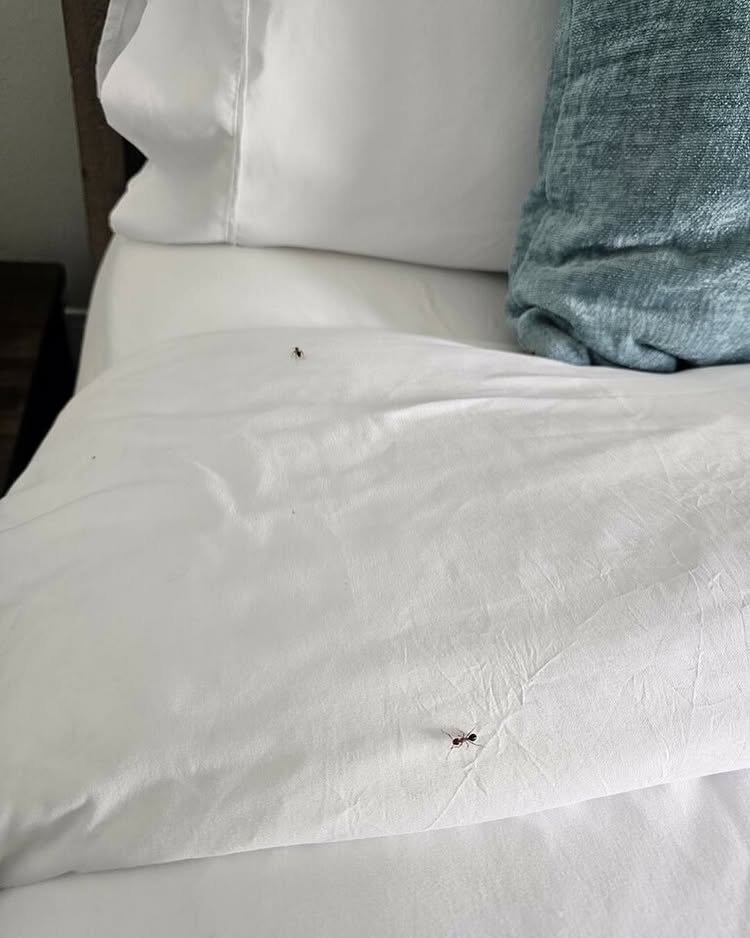
- Sighting of Foragers: Seeing large, black ants (or reddish-black, depending on species) indoors, especially at night, seeking food or water.
- Winged Swarmers: The appearance of winged reproductive ants indoors in spring is a strong indicator of an established indoor satellite colony.
- Satellite Nest Debris: Finding nests in insulation or wall voids can appear as shredded insulation or excavated materials.
Professional Prevention and Control: When to Call an Expert
While DIY methods like baiting can catch foragers, they rarely eliminate the primary colony. Professional pest control is recommended if:
- You see persistent ant activity indoors.
- You find frass or evidence of nesting.
- You hear noises in walls.
- You discover swarmers inside your home.
What Professionals Do:
- Inspection: A thorough inspection to locate all nests (parent and satellites) and identify moisture issues.
- Treatment: May use a combination of targeted insecticide applications, dusts for wall voids, and advanced baiting systems that foragers carry back to the colony.
- Moisture Correction Guidance: They will point out conducive conditions that must be corrected for long-term control.
- Follow-up: Schedule return visits to ensure the colony has been completely eradicated.
Conclusion: An Ounce of Prevention
Carpenter ants are attracted to properties that offer damp, decaying wood and accessible resources. The cornerstone of carpenter ant prevention is moisture control. By diligently addressing leaks, improving ventilation, sealing entry points, and removing potential food and nesting sites around your property, you can make your home far less appealing to these destructive pests.
Regular inspections of your home’s exterior and interior, particularly in vulnerable areas like basements, attics, and around windows, are crucial. If you suspect an active infestation, do not delay in contacting a licensed pest management professional. Their expertise is the most effective way to protect your investment and ensure your home remains structurally sound and ant-free.
![How Much Does Snake Removal Cost? [2025 Data]](https://slashandscroll.com/wp-content/uploads/2025/07/Snake-removal-cost-768x619.jpg)