
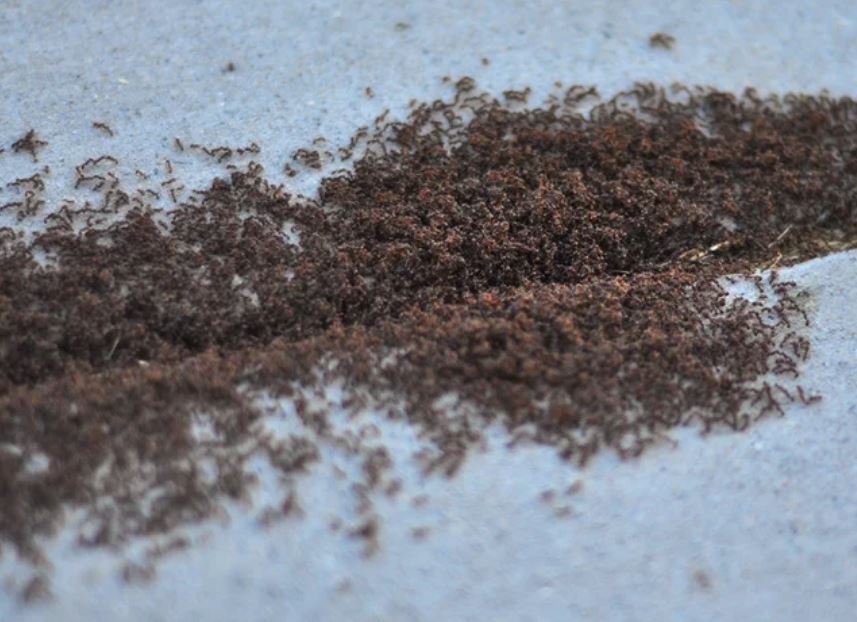
Surviving the Cold: A Guide to Pavement Ants in Winter

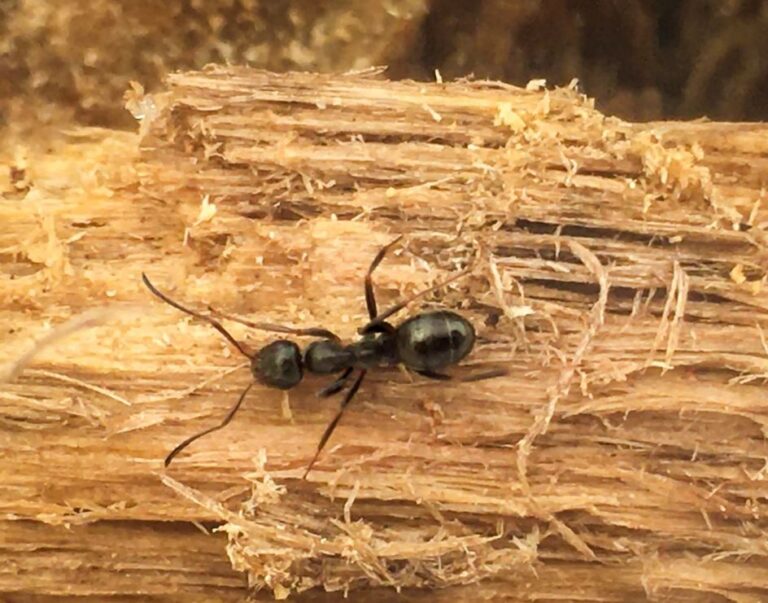
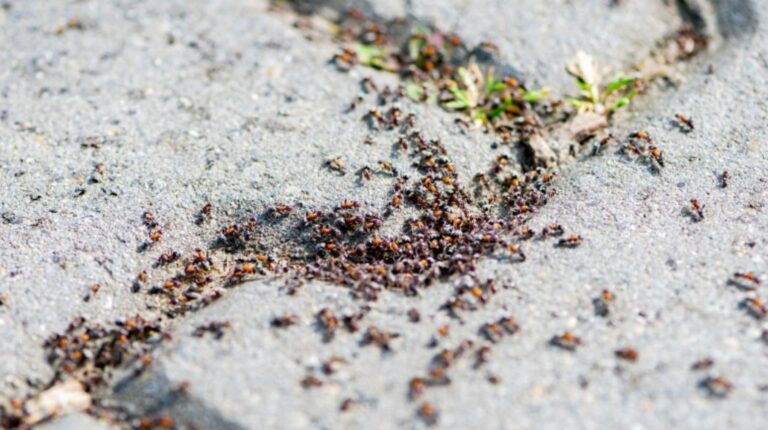
As winter’s chill sets in and most insects vanish from sight, a hidden world of survival unfolds beneath frozen soil and concrete slabs. Pavement ants (Tetramorium immigrans), those small, dark ants commonly seen marching along driveways and sidewalk cracks, are masters of winter adaptation. Understanding their cold-weather strategies not only satisfies curiosity but is crucial for effective year-round pest management.
Dr. Eleanor Finch, an urban entomologist, notes: “Pavement ants are remarkable engineers of survival. Their winter behavior is a finely tuned response to temperature triggers, not just a simple retreat. They don’t truly hibernate but enter a state of dormancy, maintaining colony cohesion deep below the frost line.”
The Pavement Ant’s Winter Strategy: Dormancy, Not Hibernation
Unlike mammals that hibernate, pavement ants enter a state called diapause—a physiological slowdown. As temperatures drop below 50°F (10°C), worker ants cease foraging and seal up colony entrances with dirt and debris. The colony retreats to the deepest chambers, which can be 12-18 inches below ground, well beneath the typical frost line.
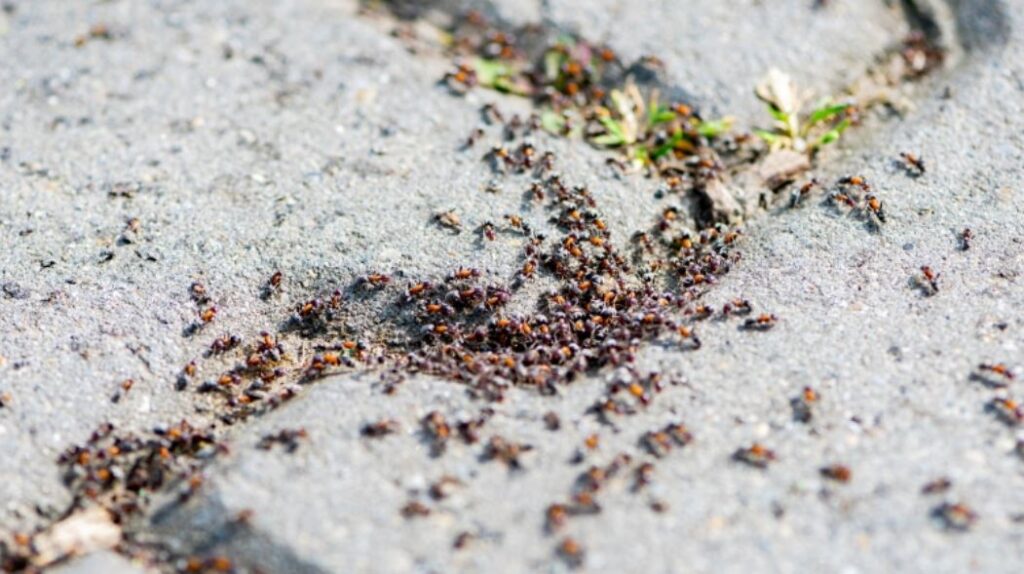
Here, they cluster around the queen, reducing movement and metabolism to conserve energy reserves. The colony survives on stored fats and proteins from their abundant spring and summer foraging.
Winter Behavior vs. Summer Behavior: A Comparative Table
| Aspect | Winter Behavior | Summer Behavior |
|---|---|---|
| Activity Level | Dormant; minimal movement within deep chambers | Highly active; constant foraging and brood care |
| Location | Deepest nest chambers below frost line | Throughout nest; frequent surface foraging |
| Diet | Reliance on stored internal reserves; no foraging | Opportunistic; feeds on insects, seeds, honeydew, human food |
| Colony Focus | Pure survival and conservation of heat/energy | Expansion, foraging, and brood rearing |
| Visibility to Humans | Virtually none; entrances sealed | High; common on pavements, driveways, and foundations |
| Reproduction | Halted; no new brood reared | Peak; winged reproductive swarms in late spring/summer |
Why Winter is a Critical Time for Pavement Ant Control
Many homeowners assume pest problems disappear with the cold. However, winter is a strategic window for prevention. Colonies remain intact and protected, ready to explode with activity at the first warm spell. Mild winter days can even trigger brief surface foraging.
“Treating pavement ants in winter is about targeting the future problem,” says Mark Stevens, a certified pest control professional. “While you won’t see them, applying perimeter barrier treatments in late fall can intercept early spring foragers. More importantly, winter is the ideal time for interior crack-and-crevice treatments in warm spaces where ants might occasionally emerge, like basements or heated garages.”
Indoor Intrusions: When Pavement Ants Venture Inside
Pavement ants occasionally invade homes during winter, seeking warmth and moisture. They are attracted to heated slabs, foundation cracks, and areas around pipes. Once inside, they target kitchen pantries and pet food.
Common Winter Indoor Entry Points:
- Cracks in basement floors or walls
- Gaps around utility line penetrations
- Expansion joints in slab-on-grade construction
- Under door thresholds
A Seasonal Action Plan for Homeowners
| Season | Homeowner Action | Professional Treatment Focus |
|---|---|---|
| Fall | Seal cracks in pavement/driveway; clean gutters; store food airtight. | Apply exterior barrier treatments; locate and treat nest mounds. |
| Winter | Monitor warm interior areas (basements, garages) for activity. | Implement interior crack/crevice treatments; use bait systems in warm zones. |
| Early Spring | Watch for renewed activity at old nest sites on warm days. | Re-apply barriers; treat early foragers to poison colony before brood surge. |
Conclusion: Coexisting with the Cold-Weather Engineers
Pavement ants are resilient survivors, their winter existence a testament to evolutionary adaptation. Understanding this hidden phase of their life cycle empowers us to manage them effectively. By taking proactive steps in the colder months—sealing entry points, maintaining cleanliness, and considering strategic professional treatments—we can prevent these tiny engineers from becoming a springtime nuisance.
Remember, the absence of ants on the pavement in January doesn’t mean they’re gone. They are simply waiting, conserved and clustered, for the thaw that will signal their return to the world above.