
Does Diatomaceous Earth Kill Ants? The Ultimate Guide

Introduction: A Natural Ant Control Solution
If you’re battling an ant invasion and seeking a non-toxic solution, you’ve likely heard about diatomaceous earth (DE). This fine, powdery substance has gained a reputation as a natural insect killer. But does diatomaceous earth kill ants effectively, and how does it work? This comprehensive guide will explore the science behind DE, its effectiveness against various ant species, and how to use it correctly for optimal results. We’ll also compare it to other ant control methods to help you make an informed decision for your home or garden.
What is Diatomaceous Earth?
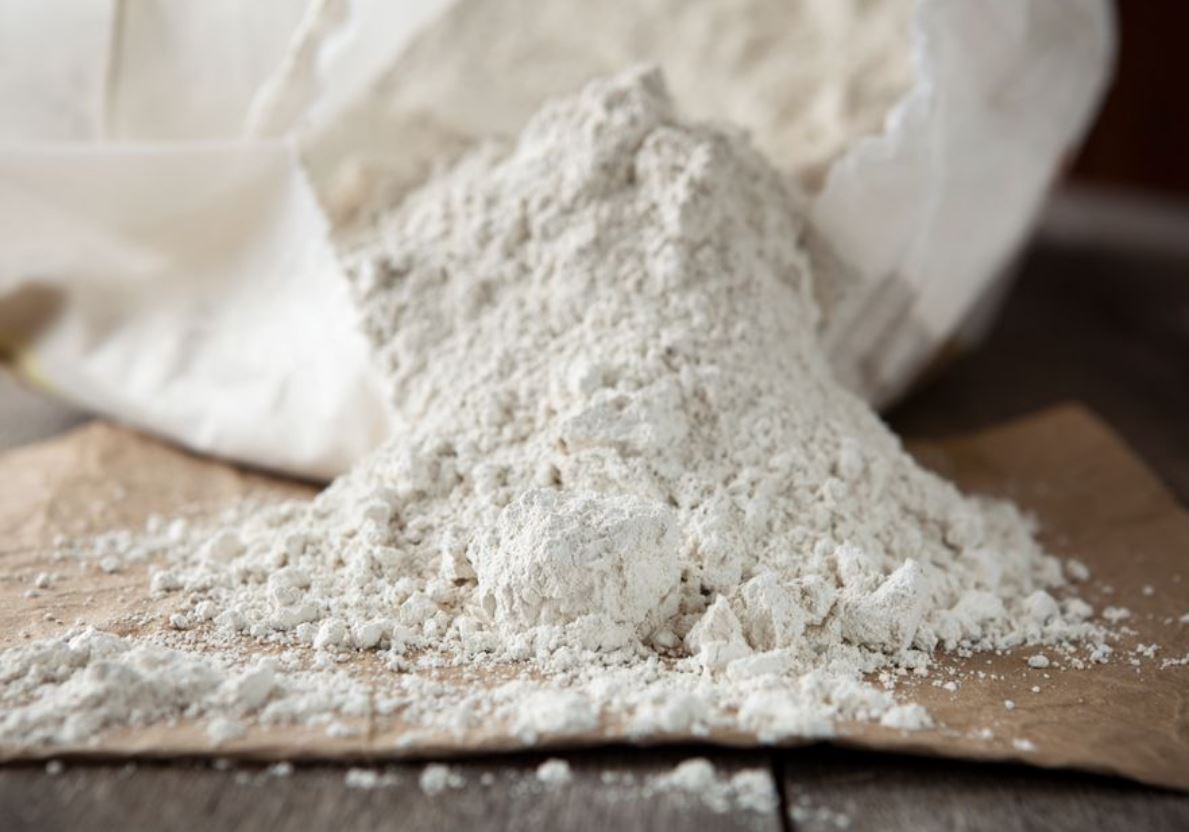
Diatomaceous earth is a naturally occurring, soft, siliceous sedimentary rock that is easily crumbled into a fine, off-white powder. It is composed of the fossilized remains of microscopic aquatic organisms called diatoms. These diatoms have skeletons made of silica, a hard, durable substance. When mined and ground, this powder feels soft to humans but contains microscopic sharp edges that are lethal to insects with exoskeletons, like ants.
There are two main grades of DE:
- Food Grade Diatomaceous Earth: Purified and safe for use around humans and pets. This is the type used for pest control.
- Filter Grade/Pool Grade DE: Chemically treated and used for industrial purposes. It is not safe for pest control or consumption.
For ant control, only food-grade diatomaceous earth should be used.
How Does Diatomaceous Earth Kill Ants?
DE doesn’t kill ants through poisoning. Instead, it works through a mechanical, physical process. Here’s a step-by-step breakdown:
- Absorption: The powder is highly absorbent. It wicks away the protective waxy lipids and oils from the ant’s exoskeleton (cuticle). This layer is crucial for the insect to retain moisture.
- Abrasion: As ants walk through the powder, the microscopic, razor-sharp edges of the diatom fossils scratch and damage their hard outer shell.
- Desiccation: With its waxy coating compromised, the ant cannot retain water. It dies from dehydration, typically within 24 to 48 hours.
Because it works mechanically, ants cannot develop a resistance to diatomaceous earth, making it a sustainable long-term solution.
Effectiveness Against Different Ant Species
Diatomaceous earth is effective against most ants, but its efficacy can vary based on the species’ behavior and biology.
| Ant Species | Effectiveness of DE | Notes & Considerations |
|---|---|---|
| Carpenter Ants | Moderate to High | Works best when applied directly to nests or high-traffic routes. May not kill the colony if the queen is deep within wood. |
| Pavement Ants | High | Effective for nests under sidewalks, driveways, and foundations. Easy to dust around entry points. |
| Odorous House Ants | Moderate | These ants often have multiple queens and nests. DE will kill workers but may not eliminate the entire colony without consistent use. |
| Fire Ants | High | Excellent for mound treatment. Dust the mound and surrounding area. DE is a popular choice for organic fire ant control. |
| Pharaoh Ants | Low to Moderate | These tiny ants are difficult to control with any single method. DE can kill workers but colony elimination often requires baits. |
| Argentine Ants | Moderate | They have vast, interconnected colonies. Perimeter barriers with DE can help but may need to be part of a larger strategy. |
How to Use Diatomaceous Earth for Ant Control: A Step-by-Step Guide
1. Identify the Problem Areas
Track the ants to find their entry points and trails. Common areas include window sills, door thresholds, cracks in foundations, and around utility pipes.
2. Apply the Powder
Use a duster, powder puff, or a shaker container to apply a thin, barely visible layer of DE. Ants will avoid large piles.
- Creating Barriers: Apply in a continuous line (about 2-3 mm wide) along ant trails, entry points, and around the perimeter of your home.
- Treating Nests: If you locate a nest, lightly dust the entrance and surrounding area.
- Crack and Crevice Treatment: Puff DE into wall voids, gaps between cabinets, and other hard-to-reach spaces where ants travel.
3. Reapply as Needed
DE loses its effectiveness when it gets wet. Reapply after rain, heavy dew, or watering your garden. Indoors, reapply if the powder is cleaned up.
4. Safety First
While food-grade DE is non-toxic, the fine dust can irritate lungs.
- Wear a dust mask during application.
- Avoid creating large clouds of dust.
- Apply in calm weather to prevent drift.
- Keep pets and children away until the dust has settled.
Diatomaceous Earth vs. Other Ant Control Methods
This comparison table highlights where DE shines and where other methods might be more appropriate.
| Control Method | How it Works | Pros | Cons | Best For |
|---|---|---|---|---|
| Diatomaceous Earth | Mechanical dehydration | Non-toxic, safe for pets/kids, no chemical resistance, immediate contact action. | Kills slowly, needs to stay dry, only kills ants that contact it. | Organic gardening, homes with pets/children, preventative barriers, immediate trail elimination. |
| Ant Baits (Gel/Liquid) | Poison is carried to colony | Can eliminate entire colony, including queen; works over time. | Slow acting; can attract more ants initially; toxins may be a concern. | Large or hidden colonies, especially those with a single queen. |
| Insecticide Sprays | Chemical contact kill | Fast-acting, kills on contact, residual effect. | Toxic to beneficial insects/pets; ants can avoid treated areas; chemical resistance possible. | Immediate knockdown of a visible swarm. |
| Borax/Sugar Baits | Stomach poison carried to colony | Inexpensive, can eliminate colony. | Slow; can be hazardous if ingested by pets/children. | DIY colony control when bait stations are secure. |
| Professional Pest Control | Varied (chemical, bait, etc.) | Expert assessment, potent tools, often guaranteed. | Most expensive option; requires scheduling. | Severe, persistent, or difficult-to-identify infestations. |
Limitations and Important Considerations
- Moisture is the Enemy: DE is ineffective when wet. It’s best for dry, indoor areas or protected outdoor spots.
- Colony Elimination Challenge: DE is a contact insecticide. It kills worker ants that walk through it but may not reach the hidden queen. For complete colony elimination, it’s often most effective when combined with baits.
- Non-Selective: While safe for mammals, DE will harm any insect with an exoskeleton that contacts it, including beneficial ones like ladybugs and bees. Use outdoors with care, avoiding flowering plants.
- Not an Instant Fix: Death by dehydration takes 24-72 hours. You will still see ant activity for a day or two after application.
Conclusion: A Powerful Tool in Your Pest Control Arsenal
Yes, diatomaceous earth does kill ants—and it does so effectively through a natural, mechanical process. It is an outstanding choice for homeowners seeking a non-toxic, pet-safe, and environmentally friendly method to control ant invasions, create protective barriers, and handle visible trails.
For best results, use food-grade DE as part of an integrated pest management (IPM) strategy. Combine it with good sanitation (removing food/water sources), sealing entry points, and for severe infestations, consider using it alongside ant baits designed to target the queen. By understanding its strengths and limitations, you can leverage diatomaceous earth to reclaim your home from ants safely and effectively.