
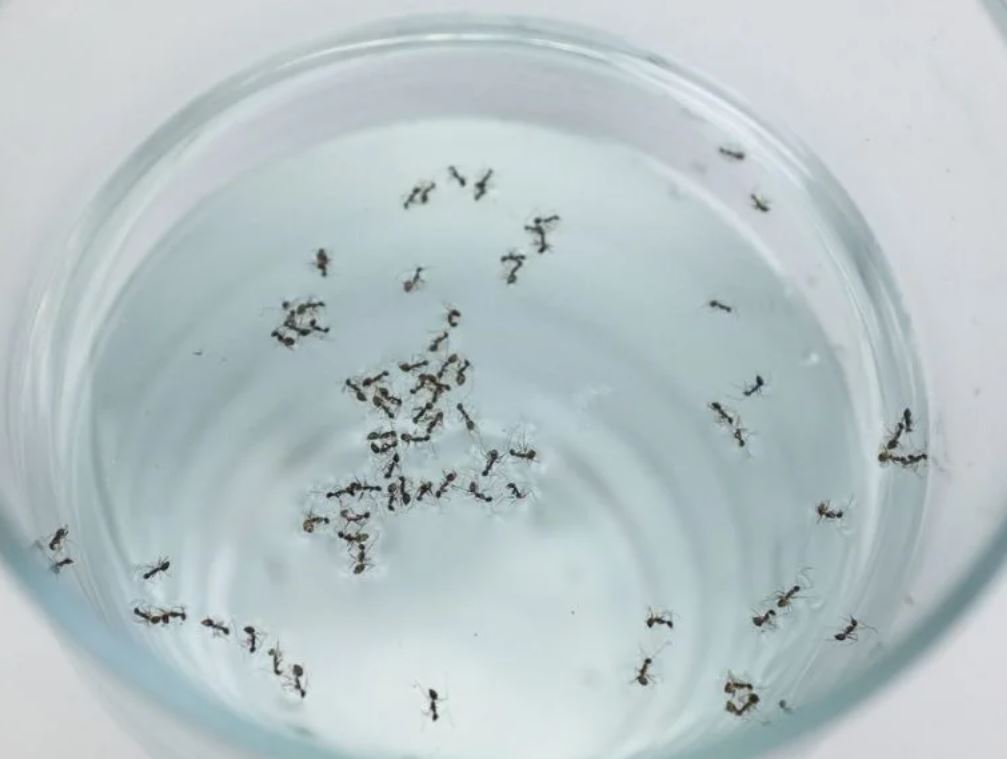
Do Ants Drown in Water? The Surprising Truth

If you’ve ever watched ants navigate a puddle or dealt with an ant invasion near water sources, you’ve likely wondered: do ants drown in water? The short answer is yes, ants can drown, but their survival abilities in water are far more complex and fascinating than most people realize. This article dives deep into the science, anatomy, and survival strategies that determine whether an ant will sink or swim.
The Anatomy of an Ant: Built for Survival
To understand how ants interact with water, we must first examine their physical structure. Ants possess several unique adaptations:
- Exoskeleton: A hard, waxy outer layer that provides structure and minimal water resistance.
- Spiracles: Tiny breathing holes along their bodies, which can close temporarily to prevent water entry.
- Hydrophobic hairs: Some species have water-repellent hairs that trap air, creating a temporary bubble.
- Low mass-to-surface-area ratio: Their tiny size allows surface tension to support them.
These features collectively influence how ants behave when submerged or exposed to water.
Can Ants Swim? Not Exactly, But They Can Float and Navigate
Most ants cannot swim in the conventional sense. Instead, they walk on water using surface tension. Water molecules cling together, creating a “skin” on the surface that can support very light objects—like ants. An ant’s lightweight exoskeleton and water-repellent properties allow it to float and move across calm water surfaces.
However, this becomes problematic with:
- Turbulent water (breaking the surface tension)
- Soap or detergent (reduces surface tension)
- Heavy rain (can trap or submerge them)
How Long Can Ants Survive Underwater?
Survival time varies dramatically by species and circumstances. Some ants can survive submersion for hours or even days through remarkable adaptations.
Table 1: Ant Species and Their Water Survival Abilities
| Ant Species | Survival Strategy | Can It Swim? | Max Submersion Survival (Approx.) | Notable Adaptations |
|---|---|---|---|---|
| Fire Ants | Form floating rafts | Yes, collectively | Weeks as a colony | Link bodies to create buoyant structures |
| Black Garden Ants | Float individually | No | 24-48 hours | Close spiracles, enter suspended animation |
| Carpenter Ants | Poor water survival | No | Several minutes | Less adapted, vulnerable to drowning |
| Army Ants | Can bridge water | No | Short periods | Link bodies to form living bridges |
| Floodplain Ants | Highly adapted | Yes | Days | Specialized hydrophobic hairs |
The Fire Ant Raft: A Marvel of Survival Engineering
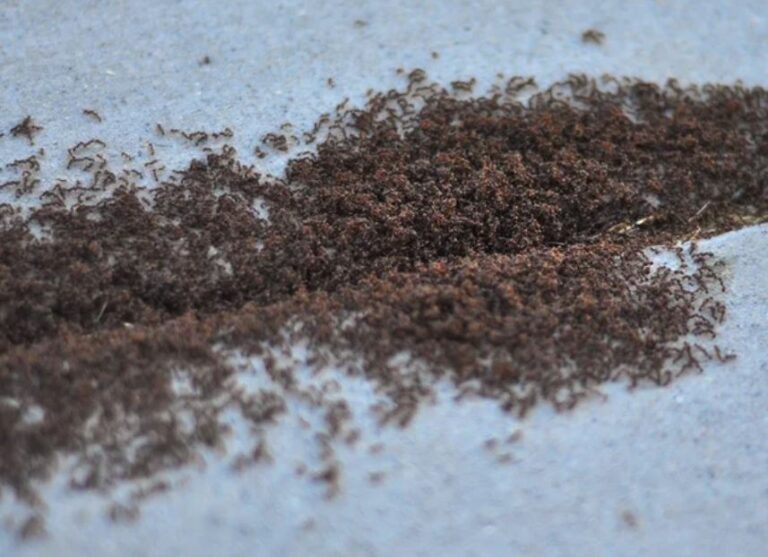
One of the most incredible water survival behaviors belongs to the red imported fire ant (Solenopsis invicta). When their nest floods, worker ants link together using their jaws and claws to form a living raft that can float for weeks. The queen and brood are protected in the center, kept dry and safe. This raft is watertight and can even travel significant distances.
Factors That Determine If an Ant Will Drown
Several key factors influence whether an ant will drown when exposed to water:
- Water Agitation: Calm water allows floating; turbulent water breaks surface tension.
- Presence of Surfactants: Soap, oil, or detergent causes immediate sinking.
- Duration of Submersion: Longer exposure increases risk, though some enter a dormant state.
- Ant Species: Evolutionary adaptations vary widely.
- Life Stage: Larvae and pupae are more vulnerable than adults.
- Temperature: Colder water slows metabolism, potentially extending survival.
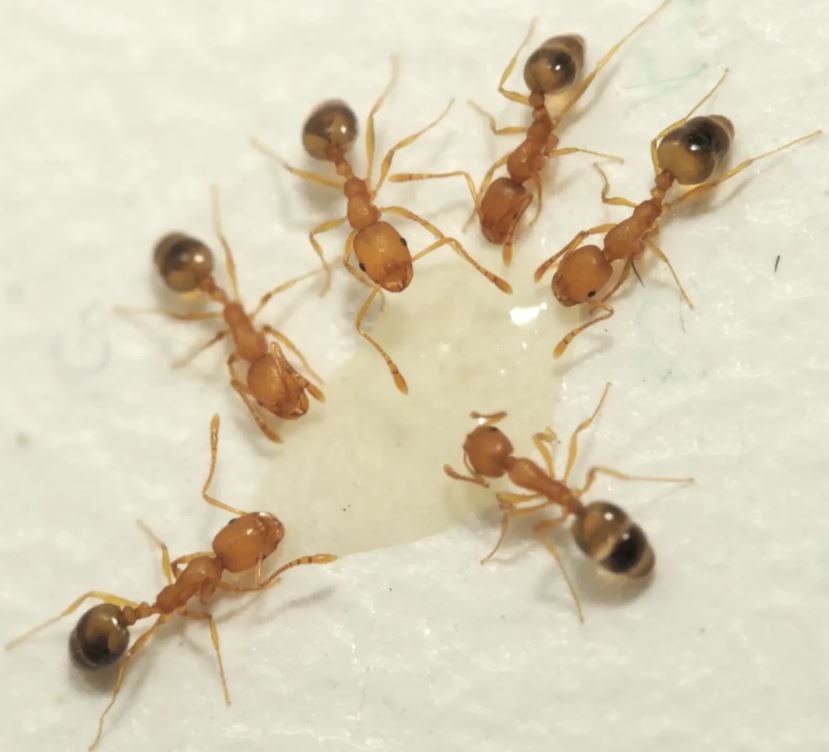
Practical Implications: Pest Control and Prevention
Understanding ant-water interactions can inform effective pest management:
- Soapy water is an effective, eco-friendly way to kill ants (breaks surface tension and suffocates them).
- Eliminating standing water near your home reduces ant pathways and breeding sites.
- Boiling water poured into mounds can kill colonies but may not reach deep chambers.
- Barrier methods like moats can protect certain areas (e.g., pet bowls, plant stands).
Table 2: Water-Based Ant Control Methods Effectiveness
| Method | How It Works | Effectiveness | Best For |
|---|---|---|---|
| Soapy Water Spray | Breaks surface tension, clogs spiracles | High for visible ants | Kitchen counters, small invasions |
| Boiling Water | Thermal shock, drowning | Moderate | Mounds in open soil, temporary reduction |
| Diatomaceous Earth | Absorbs oils, causes dehydration | High when dry | Perimeter barriers, long-term prevention |
| Water Moats | Physical barrier | Varies by ant species | Protecting specific items (pet food) |
| Flooding Nests | Displacement, drowning | Low for deep nests | Often ineffective, may relocate colony |
The Science of Ant “Drowning”: What Actually Happens?
When an ant is submerged, water can enter its spiracles, preventing oxygen from reaching tissues. However, many ants can close these spiracles temporarily, entering a low-oxygen state similar to suspended animation. Their minimal oxygen needs (due to small size) allow survival in this state for surprising durations. Eventually, if unable to surface, they will suffocate.
Evolutionary Adaptations: Why Some Ants Handle Water Better
Ants from flood-prone regions (like rainforests or marshes) have evolved superior water survival traits. These may include:
- Enhanced hydrophobic hairs
- Collective rafting behaviors
- Ability to slow metabolism dramatically
- Nest structures that channel water away
Conversely, desert-dwelling ants often have minimal water adaptations and drown quickly.
Common Myths About Ants and Water
Myth 1: “All ants can swim.”
Truth: Most cannot swim but float via surface tension.
Myth 2: “Drowning is a humane way to kill ants.”
Truth: It can be slow; soapy water is faster and more effective.
Myth 3: “If you flood an ant nest, you’ll eliminate the colony.”
Truth: Many species survive flooding by evacuating or sealing chambers.
Myth 4: “Ants avoid all water.”
Truth: Some species use water as a barrier or even hunt in damp environments.
Conclusion: A Delicate Balance of Vulnerability and Resilience
So, do ants drown in water? Yes, but their relationship with water is nuanced. While individual ants can drown—especially in agitated or soapy water—many species possess astonishing adaptations for survival. From floating on surface tension to forming living rafts, ants demonstrate remarkable resilience. Understanding these behaviors not only satisfies curiosity but also provides insights into effective pest management and the incredible adaptability of one of nature’s most successful insects.
Next time you see ants near water, you’ll appreciate the delicate physics and biology that determine whether they’ll emerge unscathed or meet a watery fate. Their tiny size belies a profound will to survive—one that has allowed them to thrive across nearly every terrestrial environment on Earth, water included.
![How Much Does Snake Removal Cost? [2025 Data]](https://slashandscroll.com/wp-content/uploads/2025/07/Snake-removal-cost-768x619.jpg)