
The Ultimate Guide to Getting Rid of Ants in Your Car

Discovering ants in your car is more than a nuisance—it’s an invasion of your personal space that can lead to bites, damage, and persistent frustration. Whether it’s a trail of tiny black ants on your dashboard or a colony nesting in your door panel, removing them requires a strategic, thorough approach. This guide provides actionable, step-by-step solutions to eradicate ants from your vehicle and prevent their return.
Why Are There Ants in My Car?
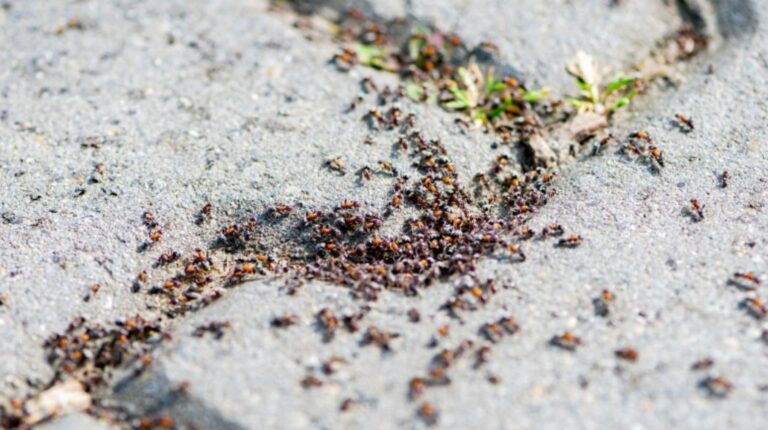
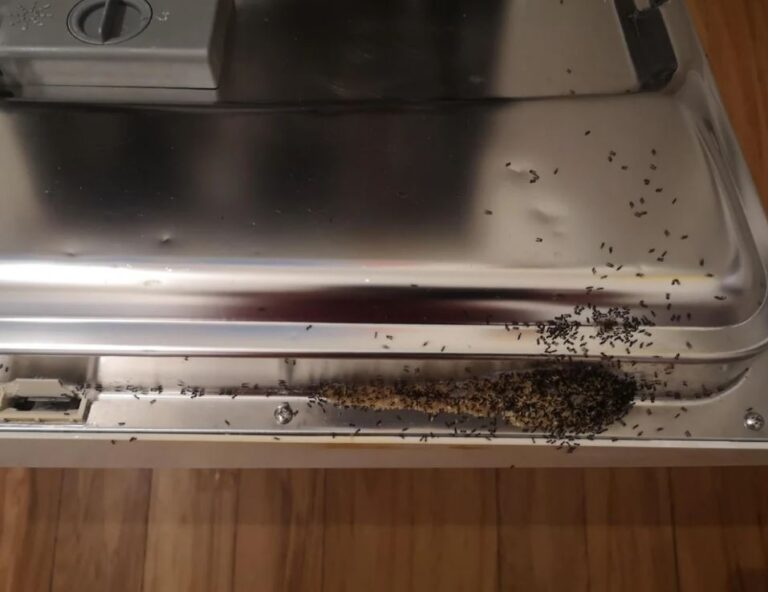
Ants typically enter vehicles in search of food, water, or shelter. A forgotten snack, a spilled sugary drink, or even crumbs from your daily commute can be a powerful attractant. Once a scout ant finds a food source, it leaves a pheromone trail, inviting the entire colony to follow.
“Ants are master explorers driven by survival. Your car can become an accidental oasis for them, offering warmth, shelter, and often, forgotten food,” explains Dr. Sarah Jenkins, an urban entomologist. “The key to elimination is not just killing the visible ants, but destroying the scent trails and making the vehicle inhospitable.”
Step-by-Step: Eradicating an Ant Infestation from Your Car
Step 1: Locate the Source & Remove Attractants
Start with a meticulous interior clean. Remove all floor mats, seat covers, and personal items. Use a handheld vacuum to clean every crevice—between seats, in cup holders, and in door pockets. Dispose of the vacuum bag or empty the canister outside immediately. Wipe all surfaces with a 50/50 vinegar and water solution, which helps erase pheromone trails.
Step 2: Identify and Seal Entry Points
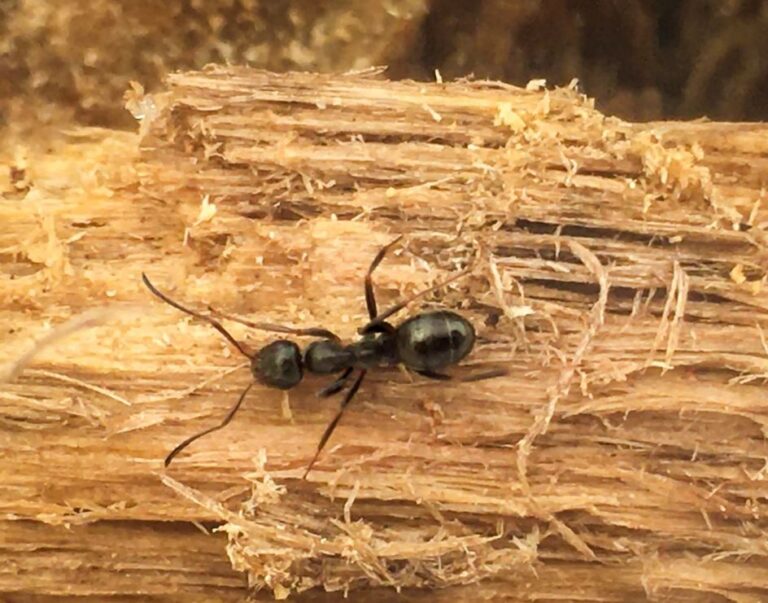
With a flashlight, inspect common entry points: door seals, window seals, vents, and around the firewall. Look for small piles of dirt or sawdust (for carpenter ants). Sealing these with a silicone-based caulk can prevent re-entry, but ensure it’s safe for automotive use.
Step 3: Choose and Apply a Treatment Method
The right treatment depends on the infestation’s severity.
| Treatment Method | Best For | How to Use | Pros & Cons |
|---|---|---|---|
| Diatomaceous Earth | Light to moderate infestations; safe for pets/children. | Lightly dust a thin layer in footwells, under seats, and in trunk. Leave for 2-3 days, then vacuum. | Pro: Non-toxic, kills mechanically. Con: Slow-acting; messy. |
| Ant Baits & Gels | Colony elimination when nest is inside car. | Place small bait stations under seats or in door compartments. | Pro: Workers take poison back to nest. Con: Can attract more ants initially. |
| Essential Oil Sprays (Peppermint, Tea Tree) | Repellent & light infestation; maintenance. | Spray diluted oil on carpets and seals. Avoid direct contact with leather. | Pro: Pleasant smell, repels future ants. Con: Not a complete killer for large colonies. |
| Professional Pest Control | Severe, recurring, or carpenter ant infestations. | Technician uses targeted, vehicle-safe insecticides. | Pro: Most effective, guarantees. Con: Highest cost. |
Step 4: The “Overnight Bait” Technique
For persistent problems, this is highly effective. Place a small, attractive bait (like a drop of honey or peanut butter on a piece of cardboard) in the footwell overnight. In the morning, carefully remove and dispose of the bait, which will now have many ants on it, far from your vehicle. Repeat as needed.
Prevention: Keeping Ants Out for Good
Eradication is only half the battle. Prevention is your long-term shield.
- No-Eating Rule: Implement a strict no-food policy in the car.
- Regular Cleaning: Wipe down surfaces and vacuum weekly.
- Natural Repellents: Place sachets of dried mint or bay leaves in the glove box and trunk.
- Parking Smart: Avoid parking under trees, over ant hills, or near grassy areas for extended periods. Trim back vegetation touching your vehicle.
What NOT to Do
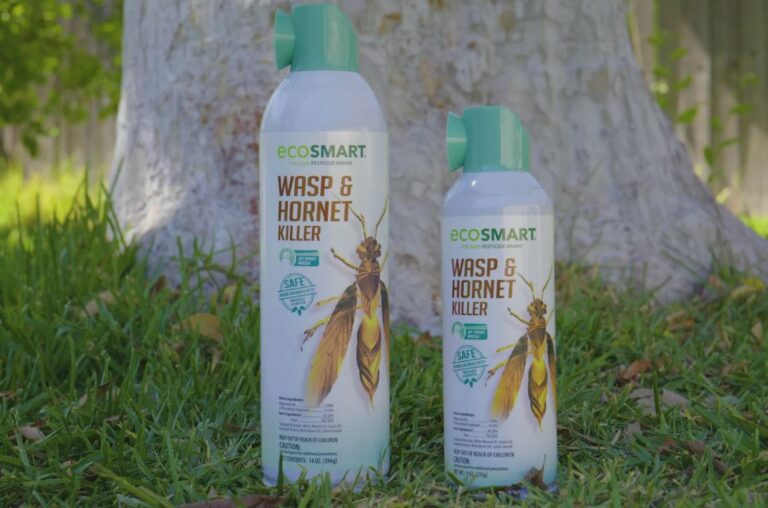
- Do not use standard bug sprays (like RAID) liberally in your car. They can stain upholstery, leave harmful residues, and damage electronics.
- Do not ignore the problem. An ant colony can expand quickly and cause electrical damage by chewing on wires.
- Do not leave windows or sunroofs open unattended.
When to Call a Professional
If you see large ants (like carpenter ants), evidence of a nest within the structure, or if DIY methods fail after two weeks, seek professional help. Auto detailers with pest control experience are ideal, as they understand how to clean and treat vehicles safely.
“The most common mistake people make is treating the symptom, not the source,” says Mike Reynolds, a veteran auto detailer. “A deep clean combined with targeted baiting is almost always more successful than spraying and hoping. Sometimes, the nest isn’t even in the car—it’s in the garage wall, and the car is just the feeding ground.”
Conclusion: Reclaim Your Ride
Getting rid of ants in your car is a systematic process of clean, kill, and protect. By thoroughly removing attractants, using the correct elimination method for your situation, and committing to proactive prevention, you can reclaim a pest-free vehicle. Start with a deep clean this weekend, and enjoy peace of mind on every drive.