
Citronella Ants vs. Termites: Your Ultimate Guide to Identification, Damage, and Control

Introduction: Why Mistaking These Insects Could Cost You
When winged insects suddenly appear in or around your home, panic often sets in. Are these destructive termites, or merely nuisance pests? Among the most commonly confused insects are termites and citronella ants. While both produce swarmers (winged reproducers), their impact on your property could not be more different. Misidentification can lead to either unnecessary panic or devastating structural neglect. This comprehensive guide will equip you with the knowledge to accurately distinguish between citronella ants vs. termites, understand their behaviors, and implement effective control strategies.
What Are Citronella Ants?
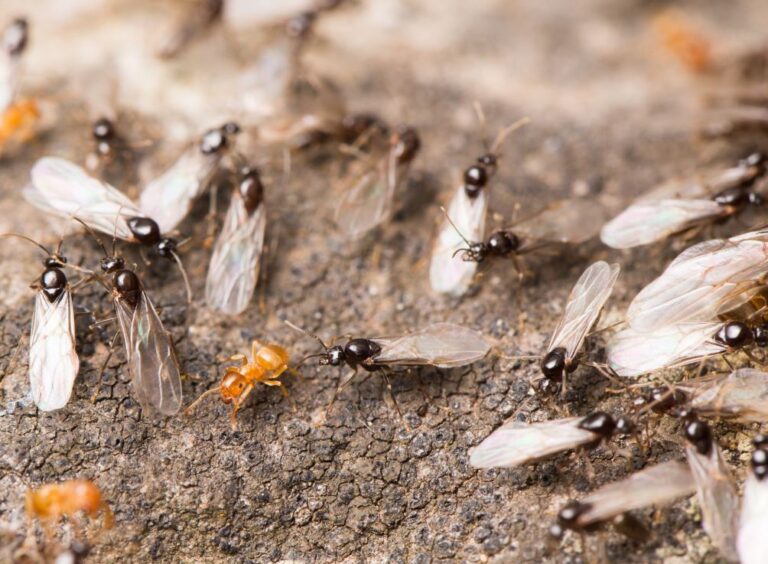
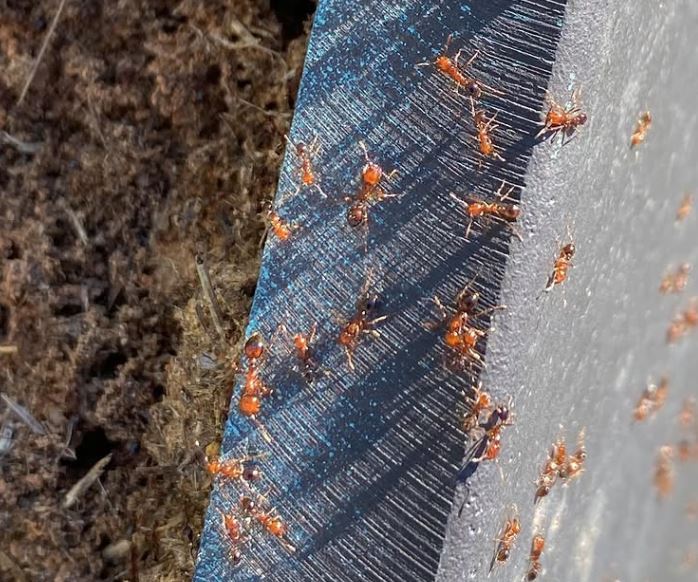
Citronella ants (genus Lasius) are small, yellowish ants named for the distinct citronella or lemon verbena scent they emit when crushed. They are soil-dwelling insects primarily found in eastern North America. Unlike termites, citronella ants do not consume wood. They feed on honeydew produced by underground aphids and mealybugs that feed on plant roots.
Key Characteristics:
- Color: Yellowish to light brown.
- Size: Workers: 4-4.5 mm; Swarmers: up to 8 mm.
- Distinguishing Feature: Strong lemony odor when crushed.
- Habitat: Nests in moist soil, often under logs, stones, or against foundation walls.
What Are Termites?
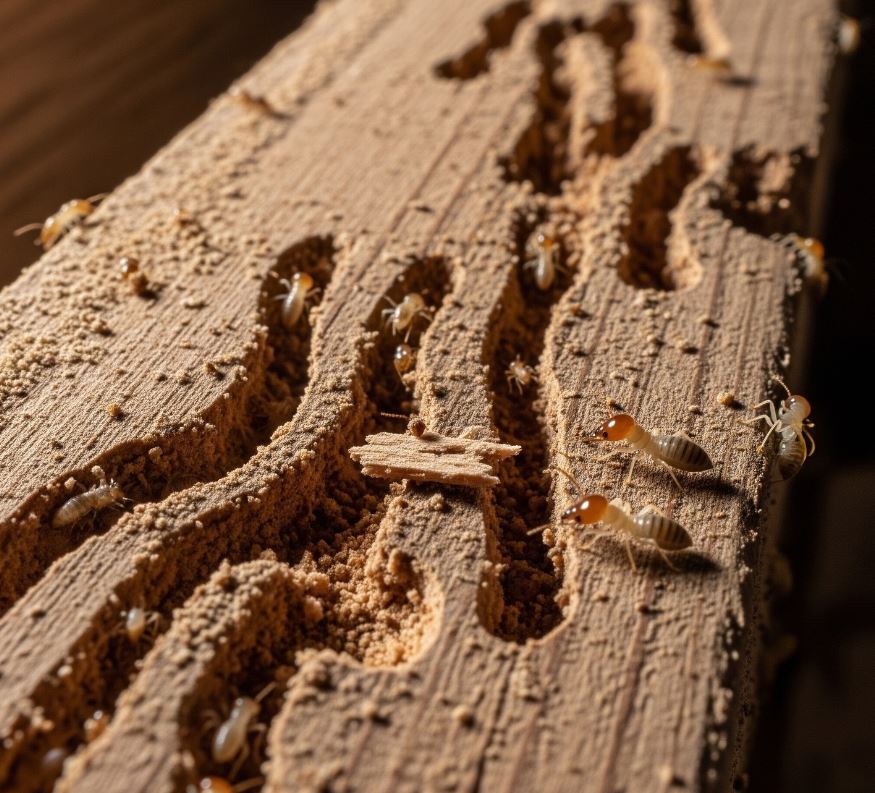
Termites are cellulose-eating insects known for their ability to break down wood and cause severe structural damage. Subterranean termites are the most common type in North America and are most likely to be confused with ants. They live in large colonies in the soil and build mud tubes to access above-ground food sources.
Key Characteristics:
- Color: Creamy white workers; dark brown to black swarmers.
- Size: Workers: 4-6 mm; Swarmers: 8-10 mm.
- Distinguishing Feature: Straight antennae, uniform waist, and equal-length wings.
- Habitat: Colonies in soil (subterranean) or within wood (drywood).
Side-by-Side Comparison: Citronella Ants vs. Termites
The table below provides a quick, visual reference for distinguishing between these two insects during a swarm event—the time they are most often confused.
| Feature | Citronella Ants | Termites (Subterranean) |
|---|---|---|
| Body Shape | Pinched, narrow waist (three distinct body segments) | Thick, uniform waist (no pinching) |
| Antennae | Elbowed (bent) | Straight, bead-like |
| Wings | Front wings longer than hind wings. Veins present. | Two pairs of equal-length wings. Few veins. |
| Wing Shedding | Shed wings sporadically after swarming. | Shed wings quickly; often found in small piles. |
| Color | Yellowish to light brown body; darker swarmers. | Creamy white workers; swarmers dark brown/black. |
| Odor | Distinct lemony scent when crushed. | No distinctive odor. |
| Diet | Honeydew from root aphids. Do not eat wood. | Cellulose. Consume wood and can damage structures. |
| Swarm Timing | Often in late summer/fall, but can vary. | Typically spring, often after a rain. |
| Primary Concern | Nuisance; can indicate moisture issues. | Major structural pest. Can cause severe damage. |
Detailed Breakdown: Identification and Signs
Physical Differences
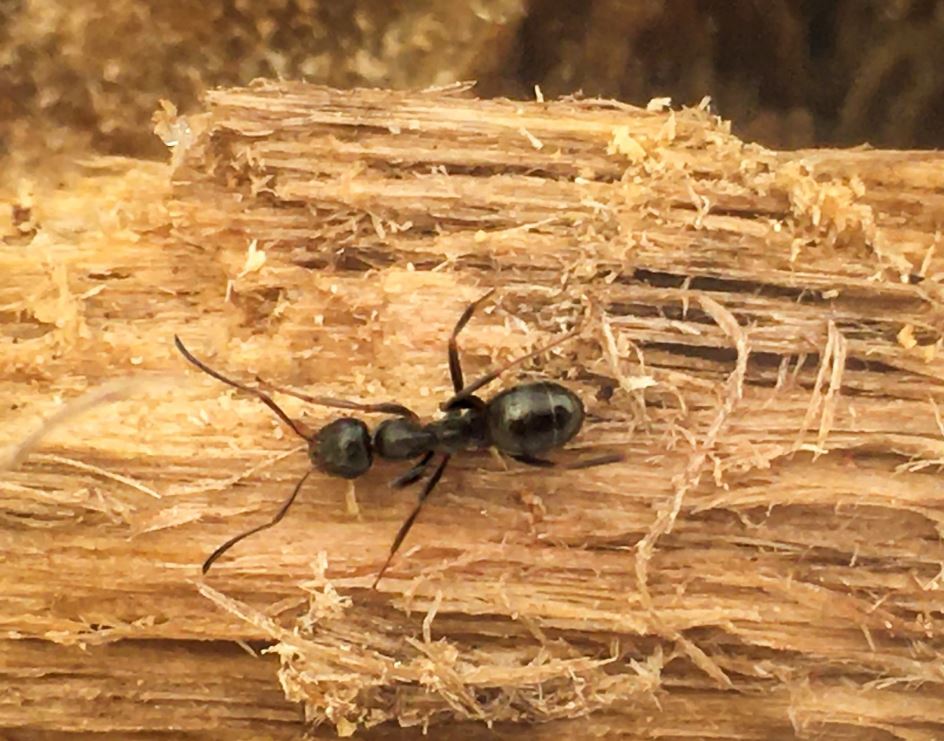
- Antennae: This is one of the fastest ways to tell them apart. Ants have elbowed antennae, while termite antennae are straight.
- Waist: Ants have a constricted, pinched waist like a wasp. Termites have a broad, straight abdomen without constriction.
- Wings: Both have two pairs of wings. On ants, the front wings are noticeably larger than the hind wings. Termite wings are equal in length, translucent, and often much longer than their body.
Behavioral and Habitat Differences
Understanding why these insects appear is key to identification.
Citronella Ant Signs:
- Swarmers emerging from soil: Often seen pouring out of cracks in concrete, expansion joints, or from under slabs. This is their most common entry into homes.
- Indoor sightings: Usually limited to basements, crawl spaces, or ground-level rooms. They are not foraging for food in your kitchen.
- No wood damage: You will never see wood damage or galleries from citronella ants. Their presence often points to excessive soil moisture near the foundation.
- Swarms are brief: Lasting only a few hours to a day.
Termite Signs:
- Mud tubes: Pencil-sized tunnels of soil and saliva on foundation walls, piers, or sill plates. This is a definitive sign of subterranean termites.
- Wood damage: Wood sounds hollow when tapped. You may find galleries (tunnels) lined with a gritty, soil-like material.
- Shed wings: Piles of discarded, equal-sized wings near windowsills, doors, or foundation vents.
- Swarmers emerging from wood or mud tubes: Unlike citronella ants, termite swarmers may emerge directly from infested wood or their protective mud tubes.
The Critical Question: Which One Causes Damage?
This is the most important part of the comparison.
- Citronella Ants are NOT a structural pest. They are a nuisance insect. They do not eat wood, nest in wood, or cause property damage. Their primary issue is the anxiety and disgust caused by a sudden indoor swarm. However, their attraction to moisture can be an indicator of a foundation moisture problem that could attract truly destructive pests or cause mold/mildew.
- Termites ARE a severe structural pest. Subterranean termites cause billions of dollars in property damage annually in the U.S. alone. Their feeding weakens wood from the inside out, often leaving the surface intact while destroying the interior. Infestations can go unnoticed for years, leading to costly repairs.
Action Plan: What to Do If You Find Them
If You Suspect Citronella Ants:
- Don’t Panic. Remember, they are not eating your home.
- Vacuum up swarmers. This is an effective immediate control.
- Identify the source. Look for entry points like cracks in the slab or foundation.
- Address moisture. Improve drainage away from your home, fix leaks, and ensure gutters are directing water away. Reducing soil moisture can discourage nests.
- Seal entry points. Use caulk to seal cracks in foundations and slabs.
- Consult a pro if needed. If swarms are persistent, a pest control professional can apply a perimeter insecticide to discourage nesting.
If You Suspect Termites:
- Do NOT disturb them. Avoid poking mud tubes or spraying insecticides. This can cause the colony to relocate, making professional eradication harder.
- Document the evidence. Take clear photos of the insects, wings, mud tubes, or damaged wood.
- Contact a licensed termite control professional IMMEDIATELY. A professional inspection is non-negotiable. They can confirm the species, assess the extent of the infestation, and recommend a treatment plan (typically liquid soil treatments or bait systems).
- Get multiple estimates for treatment and repair if damage is found.
Prevention Strategies for Both
- Manage Moisture: This is the #1 preventative step for deterring both pests. Fix leaky faucets, pipes, and AC units. Use dehumidifiers in crawl spaces and basements. Ensure proper grading and downspout extensions.
- Eliminate Wood-to-Soil Contact: Keep firewood, lumber, and mulch away from your foundation. Leave an 18-inch gap between soil and any wood siding.
- Seal Cracks and Gaps: Caulk and seal potential entry points in the foundation and around utility penetrations.
- Schedule Regular Inspections: Have your home inspected annually by a pest management professional. They can spot early signs of termites that you might miss and identify conditions attractive to pests like citronella ants.
Conclusion: Knowledge is Your Best Defense
While citronella ants and termite swarmers may look similar at a fleeting glance, a closer examination reveals distinct differences in their body shape, antennae, and wings. The most critical takeaway is the vast difference in threat level: citronella ants are a moisture-related nuisance, while termites are a serious destructive force.
Accurate identification is the first step to a proper response. When in doubt, always err on the side of caution and seek a professional opinion. Protecting your home from termites requires vigilance and proactive maintenance, starting with the ability to tell these two insects apart. By understanding the key differences outlined in this guide, you are now equipped to make that crucial distinction and take the appropriate action to safeguard your property.