
Fire Ants in Georgia: A Comprehensive Guide to Identification, Dangers, and Control

Georgia’s warm climate and abundant landscapes make it an ideal home for many species, but one tiny insect has become a significant and painful nuisance: the Red Imported Fire Ant (Solenopsis invicta). Originally from South America, these aggressive ants arrived in the United States via Mobile, Alabama, in the 1930s and have since spread relentlessly across the Southeast. Today, they infest all 159 counties in Georgia, impacting agriculture, ecosystems, and the daily lives of residents. This SEO-optimized guide provides a deep dive into everything you need to know about fire ants in Georgia, from identification and dangers to effective control strategies.
Identifying Fire Ants in Your Georgia Yard
Correct identification is the first step in effective management. Fire ants are often confused with other native ant species, but key characteristics set them apart.
Physical Characteristics:
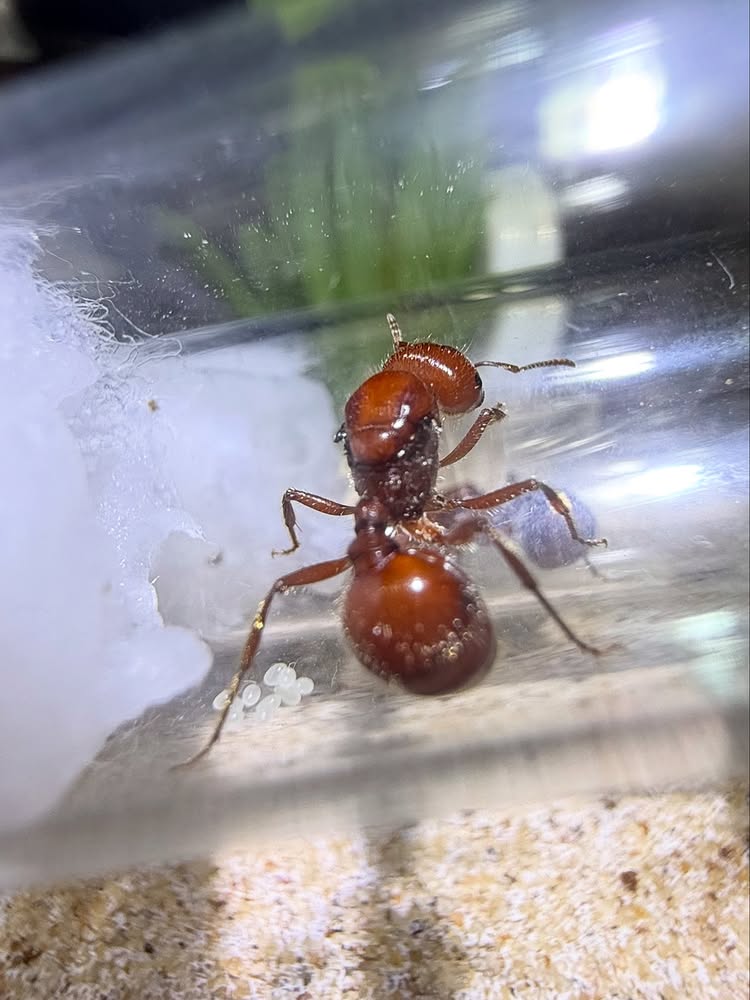
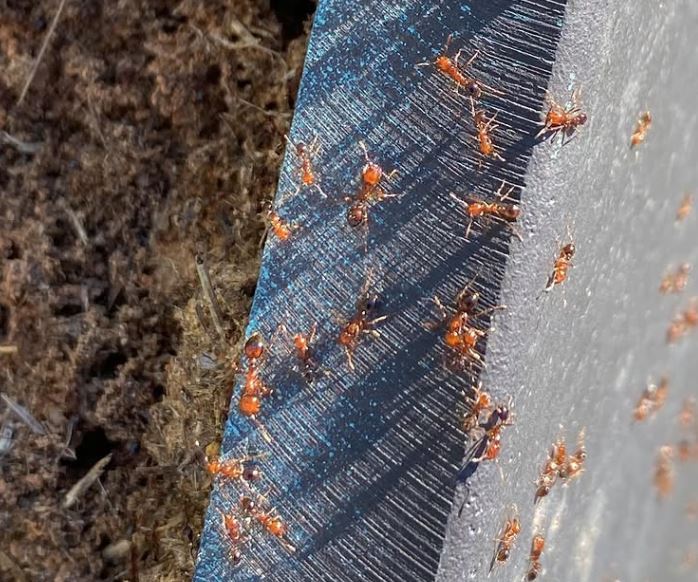
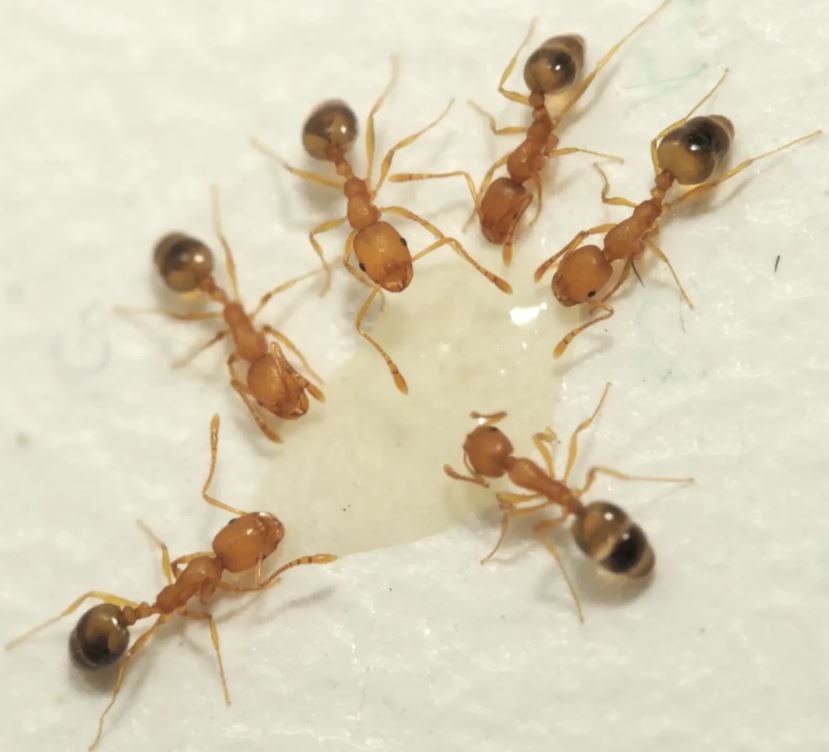
- Color: Reddish-brown, with a darker abdomen.
- Size: Polymorphic, meaning workers vary in size from 1/16 to 1/4 inch.
- Body: Distinct two-segmented pedicel (waist) and 10-segmented antennae with a 2-segmented club.
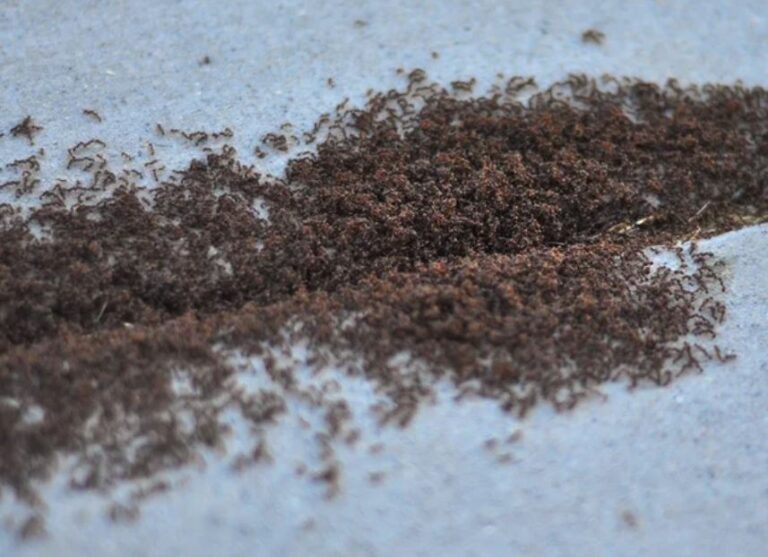
- Mounds: Build characteristic dome-shaped mounds, typically 10-24 inches in diameter and up to 18 inches high. In sandy soils, mounds may be flatter. Important: There is no central opening—ants enter via underground tunnels.
Table 1: Fire Ants vs. Common Georgia Ant Species
| Feature | Red Imported Fire Ant | Native Harvester Ant | Argentine Ant | Carpenter Ant |
|---|---|---|---|---|
| Color | Reddish-brown | Red | Dark brown to black | Black or red/black |
| Mound Shape | Dome-shaped, no central hole | Crater-shaped, central hole | No distinct mound, nest in mulch/ debris | No soil mound, nest in wood |
| Aggression | Extremely aggressive, swarm & sting | Moderately aggressive | Mildly aggressive | Non-aggressive (but can bite) |
| Sting/Bite | Painful sting (venomous) | Painful bite & sting | Bites, no sting | Powerful bite, no sting |
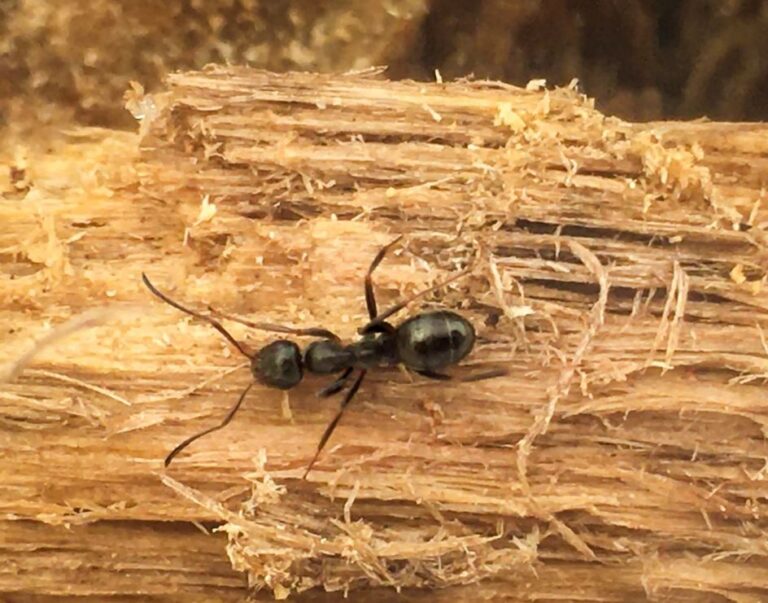
| Key Identifier | Multiple-sized workers, sting leaves pustule | Large, uniform workers | Musty odor when crushed | Large size, heart-shaped head |
The Significant Dangers and Impacts of Fire Ants
Fire ants are far more than a backyard annoyance. Their presence poses serious risks.
1. Human Health Risks:
- Painful Stings: Fire ants anchor with their mandibles and sting repeatedly with their abdominal stinger, injecting solenopsin, an alkaloid venom.
- White Pustules: Stings typically result in itchy, white, fluid-filled pustules that can last a week and risk bacterial infection if broken.
- Allergic Reactions: For 1-2% of the population, stings can cause severe, life-threatening allergic reactions (anaphylaxis), requiring immediate epinephrine and medical care.
- Secondary Infections: Scratching pustules can introduce bacteria like Staphylococcus.
2. Agricultural and Economic Damage:
- Fire ants damage crops, chew on irrigation systems, and protect harmful pests like aphids for their honeydew.
- They attack and can kill newborn livestock (calves, fawns, poultry) and ground-nesting wildlife.
- Georgia’s agricultural economy suffers millions in damage annually from crop loss, equipment damage, and control costs.
3. Ecological Disruption:
As an invasive species, they outcompete and decimate native ant and arthropod populations, reducing food sources for reptiles, birds, and mammals. They can overwhelm and kill young or vulnerable animals.
The Fire Ant Life Cycle and Seasonal Activity in Georgia
Understanding their biology is crucial for timing control efforts.
Table 2: Seasonal Fire Ant Activity in Georgia
| Season | Fire Ant Activity & Behavior | Recommended Action |
|---|---|---|
| Spring (Mar-May) | Peak mating flights (after rains), colony expansion, high mound visibility. | Ideal time for broadcast baits as ants are actively foraging. Treat individual mounds. |
| Summer (Jun-Aug) | Foraging shifts to cooler dawn/dusk. Mounds may be less visible but colonies are active. | Use baits in early summer. Consider granular contact insecticides for problem mounds. Water yard before applying bait. |
| Fall (Sep-Nov) | Intense foraging to build resources. Mounds reappear as temperatures cool. | Critical window for bait application to reduce next year’s populations. Treat mounds. |
| Winter (Dec-Feb) | Ants move deeper underground; forage on warm days. Mounds may seem inactive. | Mound treatments can be less effective. Focus on planning spring strategy. |
Proven Fire Ant Control Strategies for Georgia Homeowners
A two-step method, combining long-term and immediate solutions, is recommended by the University of Georgia Extension.
Step 1: Long-Term, Area-Wide Control with Baits
- How it works: Slow-acting insect growth regulators or toxins are carried by foraging workers back to the colony, eventually killing the queen(s).
- Timing: Apply when ground is dry and ants are actively foraging (65°-90°F), typically in late afternoon.
- Products: Extinguish Plus, Advion, Amdro, Esteem.
- Key: Patience is vital. It can take 2-6 weeks for colony elimination but provides season-long control.
Step 2: Individual Mound Treatments
- For high-traffic areas or dangerous mounds, use fast-acting insecticides.
- Types: Drench insecticides, dusts, or granular contact products.
- Application: Treat according to label directions, disturbing the mound minimally to drive ants into the treated zone.
Organic/Natural Options:
- Drenching with boiling water: Effective but can kill grass and requires multiple treatments (60% efficacy).
- Diatomaceous earth: A physical desiccant. Must be dry and reapplied often.
- Beneficial Nematodes (Steinernema spp.): Can parasitize ants but require specific soil conditions.
When to Call a Professional Pest Control Service in Georgia
Consider professional help if:
- You have a severe, widespread infestation.
- You or a family member has a known fire ant allergy.
- DIY methods have repeatedly failed.
- The infestation is near sensitive areas like electrical units, well heads, or hospitals.
- Professionals have access to more potent tools and can implement Integrated Pest Management (IPM) plans.
Conclusion: Living with Fire Ants in Georgia
Complete eradication of fire ants in Georgia is currently impossible. The goal is effective management to reduce populations to tolerable levels and mitigate risks. By combining twice-yearly broadcast bait applications (spring and fall) with targeted mound treatments, Georgia residents can reclaim their yards and protect their families and pets.
Stay informed through the University of Georgia Extension (extension.uga.edu), a critical resource for the latest, research-based control recommendations tailored to our state’s unique environment. With vigilance and a strategic approach, you can win the battle against these fiery invaders.