
Do Mice Eat Ants? Unveiling the Surprising Dietary Habits of Mice

When we picture a mouse’s diet, most of us imagine cheese, grains, and pantry scraps. But in the wild and even in our homes, mice are opportunistic survivors with a far more varied menu. A common question that arises is: do mice eat ants? The short answer is yes, mice will eat ants, but they are not a preferred food source. This article delves into the fascinating complexities of rodent dietary habits, explaining when, why, and how mice might consume ants.
As renowned entomologist Dr. Eleanor Shaw notes, “In the ecosystem, boundaries between predator and prey are often blurred. The opportunistic nature of creatures like mice means they will exploit any available protein source, including insects, to survive.”
The Opportunistic Omnivore: Understanding Mouse Diets
Mice are true omnivores. Their primary diet consists of grains, seeds, fruits, and vegetables. However, their need for protein and fat drives them to consume animal matter when available. This includes insects like beetles, caterpillars, cockroaches, and yes, ants.
When Do Mice Eat Ants?
Mice are most likely to eat ants under specific circumstances:
- Scarcity of Primary Food: When their preferred grains and seeds are scarce.
- High Protein Demand: During growth, pregnancy, or lactation.
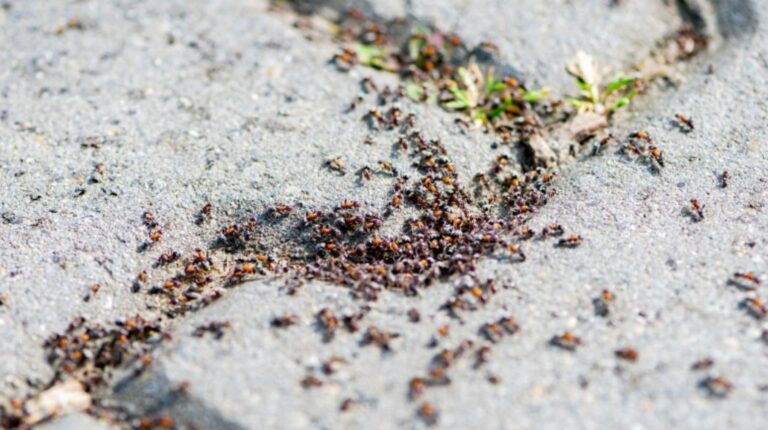
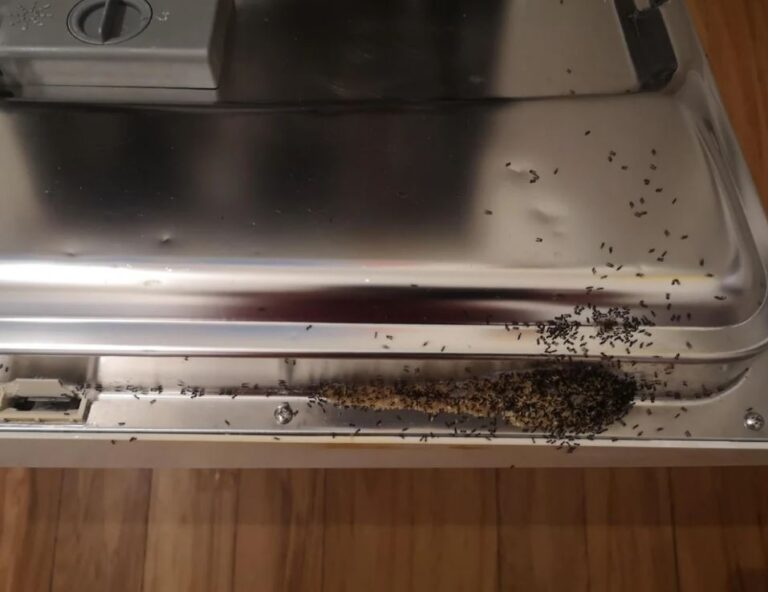
- Opportunistic Encounter: When ants are found in large, accessible numbers (e.g., a disrupted anthill).
- Captivity or Imbalanced Diet: Pet mice or mice in labs may exhibit more insect-eating behavior if their diet is lacking.
Mice vs. Ants: A Comparative Table
| Feature | House Mouse | Common Ant (e.g., Black Garden Ant) |
|---|---|---|
| Primary Diet | Grains, seeds, fruits, vegetables | Insects, honeydew, sweets, seeds (varies by species) |
| Classification | Opportunistic Omnivore | Omnivore (species-dependent) |
| Will Consume the Other? | Yes, will eat ants for protein | Yes, some species will scavenge dead mice or attack weak ones |
| Nutritional Value to Mouse | Low to moderate; good protein, but low caloric density | – |
| Risk/Difficulty | Risk of bites/formic acid; not energy-efficient to hunt | Defending colony can overwhelm a mouse |
| Likelihood of Predation | Low frequency; opportunistic event | Higher likelihood of ants scavenging a mouse |
The Challenges of Ants as Prey
While mice can eat ants, there are significant reasons why ants aren’t a staple:
- Defensive Mechanisms: Ants bite and spray formic acid, which can irritate a mouse’s mouth, nose, and eyes.
- Low Caloric Reward: A single ant provides minimal nutrition. Hunting them is energetically inefficient compared to finding a seed cache or fruit.
- Swarm Danger: Disturbing a colony can lead to a swarm defending itself, causing significant discomfort or injury to the mouse.
Pest control expert Mark Rivera states, “In my field experience, you’ll rarely find evidence of mice actively hunting ants. It’s a last-resort behavior. If a mouse is eating ants consistently, it’s a strong indicator that its primary food sources are severely lacking.”
Ecological Role and Coexistence
In nature, the mouse-ant relationship is more complex than simple predator-prey. They often compete for the same food resources, like seeds. Furthermore, some ant species are aggressive enough to attack vulnerable, young, or trapped mice. This dynamic creates a balanced ecological check where neither organism routinely preys on the other.
Practical Implications for Homeowners
Understanding this diet has practical value for pest control:
- Ants Won’t Deter Mice: The presence of ants in your home will not keep mice away. Both can infest a property simultaneously.
- Different Attractants: Mice are attracted by clutter, food debris, and grain sources. Ants are often drawn to moisture and sugary or greasy residues.
- Integrated Pest Management (IPM): The best approach is to seal entry points, store food in airtight containers, eliminate moisture, and maintain cleanliness to deter both pests. Use targeted treatments for each species.
Conclusion: A Rare Menu Item
So, do mice eat ants? Yes, but infrequently and opportunistically. Mice are capable of eating ants for survival protein, but the challenges ants present and the low caloric payoff make them an unappealing choice. The mouse’s adaptability is key to its success as a species, allowing it to consume everything from plant matter to insects when necessary.
For effective pest control, it’s crucial to treat mice and ants as separate issues requiring tailored solutions. Removing accessible food sources and sealing your home remains the most effective strategy to prevent all types of pest infestations.