
Why Do Ants Come Out in Summer? The Science Behind the Seasonal Invasion

Introduction: The Seasonal Ant Surge
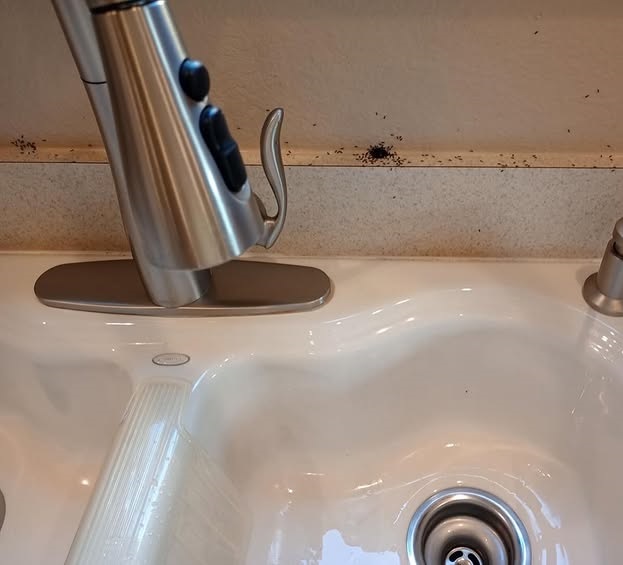
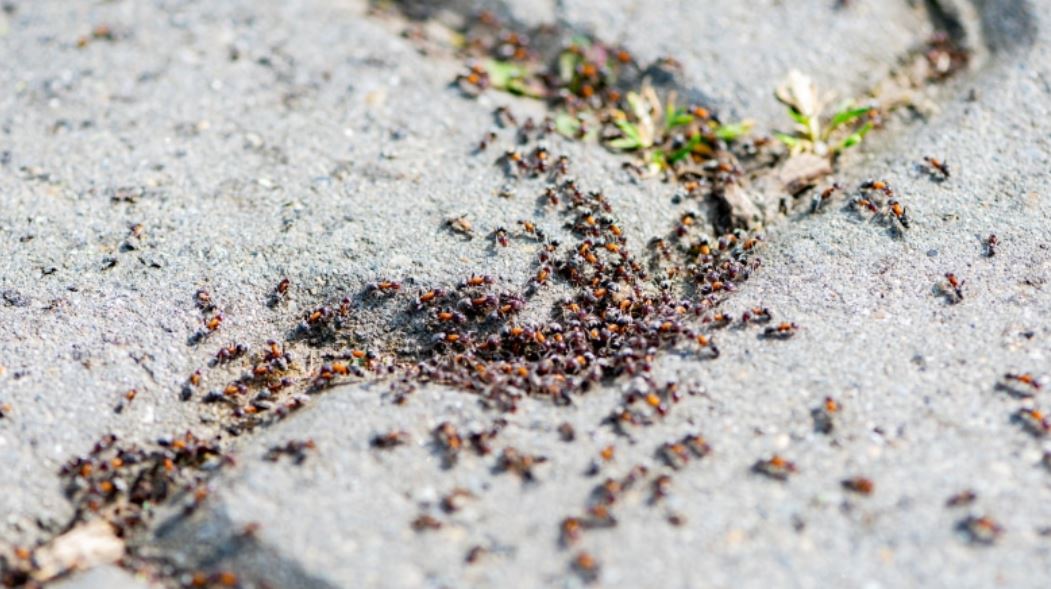
As temperatures rise and the sun lingers longer in the sky, you’ve likely noticed a familiar sight: trails of tiny insects marching across your kitchen counter, patio, or garden path. The summer ant invasion is a near-universal experience, but have you ever wondered why ants seem to emerge in such force during the warmer months? This isn’t a coincidence—it’s a complex interplay of biology, climate, and survival strategy. In this comprehensive guide, we’ll explore the fascinating reasons behind this seasonal phenomenon, how ant behavior changes with the seasons, and what you can do about it.
The Primary Drivers: Why Summer is Ant Season
Ants are ectothermic (cold-blooded) creatures, meaning their body temperature and activity levels are directly influenced by their environment. Summer provides the ideal conditions for a burst of ant activity, driven by several key factors.
1. The Temperature Sweet Spot
Ants are most active within a specific temperature range, typically between 70°F and 90°F (21°C to 32°C). Within this range, their metabolism operates efficiently, allowing for rapid movement, effective digestion, and heightened colony productivity. Summer temperatures reliably fall within this optimal window.
- Too Cold (Below 50°F/10°C): Ants become sluggish. They retreat to the deep, insulated chambers of their nest and enter a state of dormancy or greatly reduced activity to conserve energy.
- Too Hot (Above 95°F/35°C): Surface activity can become dangerous. Ants may forage in the cooler mornings and evenings or dig deeper nests to escape the heat.
2. The Reproductive Imperative: Nuptial Flights
Summer is the season for ant reproduction on a grand scale. Mature colonies produce winged reproductive ants called alates (virgin queens and males). These ants take part in synchronized nuptial flights, often triggered by warm, humid conditions after a rain. These “flying ant” swarms are a mating frenzy. After mating, the males die, and the fertilized queens shed their wings to found new colonies. The warm, stable soil of summer is crucial for a new queen to establish her nest and raise her first brood of workers.
3. The Colony’s Peak Growth Cycle
A healthy ant colony operates like a superorganism with an annual cycle. By summer, the colony has reached its peak population.
- Spring: The queen resumes laying eggs. The existing worker force tends to the brood and forages to fuel growth.
- Summer: The population booms. With thousands of new workers to feed, foraging activity escalates dramatically. The colony must gather maximum resources to support itself and prepare future reproductives.
4. Abundance of Food and Water
Summer landscapes offer a banquet for ants.
- Food Sources: Insects are plentiful, plants produce nectar and seeds, and human activity provides abundant crumbs, spills, and unsealed pantry items.
- Water Sources: While water is crucial, summer rain and humidity also make it easier for ants to survive without dehydrating. During dry spells, they may invade homes specifically in search of moisture.
5. Construction and Expansion
The warm, soft soil of summer makes it the ideal time for ants to expand their nests, digging new tunnels and chambers to accommodate the growing population.
Seasonal Ant Activity Comparison Table
| Season | Temperature | Primary Ant Activity | Colony Focus | Common Human Encounters |
|---|---|---|---|---|
| Spring | Warming | Colony awakening; foraging resumes; brood care. | Rebuilding & Growth | Early scout ants indoors; outdoor mounds become active. |
| Summer | Warm/Hot | Peak foraging; nuptial flights; maximum colony size. | Reproduction & Resource Gathering | Consistent indoor trails; outdoor swarms; high garden activity. |
| Fall | Cooling | Intense foraging for dense foods. Preparing for winter. | Stockpiling Fat & Resources | Seeking sweets and fats indoors; clustering around food sources. |
| Winter | Cold | Dormancy in deep nest chambers. Cluster for warmth. | Survival & Energy Conservation | Rare, usually only if nest is within heated structure. |
Common Summer Ants and Their Behaviors
Not all ants are the same. Here’s a look at the most common summer invaders:
| Ant Species | Key Identification | Summer Behavior & Nuisance Factor |
|---|---|---|
| Odorous House Ant | Small, dark brown/black; emits a rotten coconut smell when crushed. | Forms massive super-colonies. Relentless indoor scavengers for sweets. |
| Pavement Ant | Small, brownish-black; grooves on head and thorax. | Nests under pavements, driveways. Fights with neighboring colonies visible in summer. |
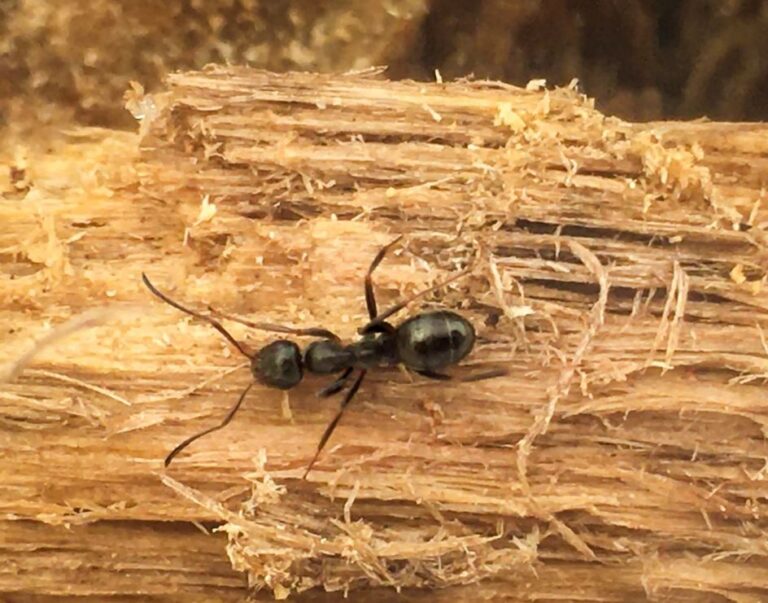
| Carpenter Ant | Large (¼ to ½ inch), black or red/black. | Forages for protein and sweets. Indicates potential wood-damaging nest nearby. |
| Argentine Ant | Small, light to dark brown. | Forms extensive networks of cooperating colonies. Major household pest, especially in coastal areas. |
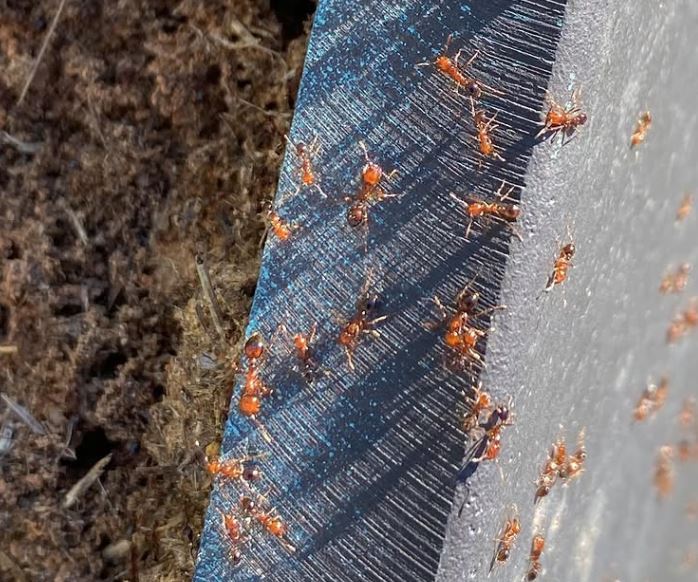
| Fire Ant | Coppery-brown head/body, darker abdomen; painful sting. | Builds large, visible soil mounds. Aggressively defends nest. Forages for proteins and fats. |
How to Deter Ants During Summer: An Integrated Strategy
Prevention is far more effective than reaction. Use a multi-layered approach:
1. Eliminate Attractants (Sanitation):
- Wipe up spills and crumbs immediately.
- Store food (including pet food) in airtight containers.
- Manage trash: use cans with tight lids and empty them regularly.
- Fix leaky faucets and eliminate standing water to reduce moisture.
2. Fortify Your Home (Exclusion):
- Seal cracks and crevices in foundations, around windows, and utility lines with silicone caulk.
- Repair torn window screens.
- Trim back tree branches and shrubs so they don’t touch your house, creating ant bridges.
3. Disrupt Trails (Disruption):
- When you see a trail, wipe it with soapy water or vinegar solution to erase the pheromone scent path.
- Use natural deterrents like cinnamon, peppermint oil, or diatomaceous earth (food grade) at entry points.
4. Targeted Control (When Necessary):
- Ant Baits: The most effective DIY solution. Worker ants carry slow-acting insecticide mixed with attractive food back to the nest, eventually eliminating the queen and colony. Place baits near trails but don’t spray nearby, as you want the ants to take the bait.
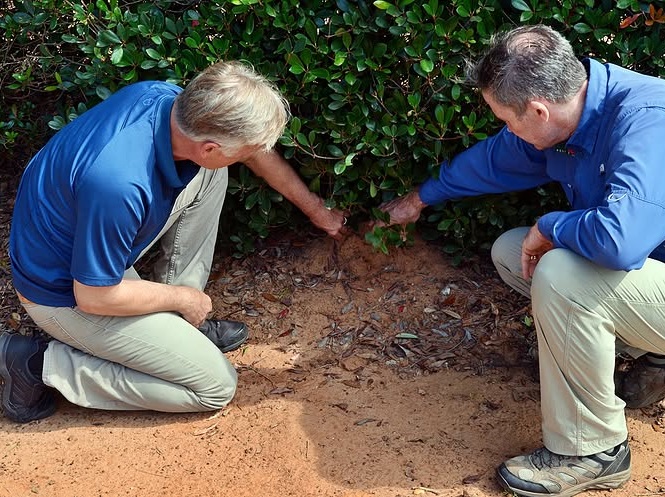
- Professional Help: For large or persistent infestations, especially carpenter ants, professional pest control can locate nests and apply targeted treatments.
Conclusion: Coexisting with Summer’s Tiny Titans
Ants emerge in summer not to be a nuisance, but because it’s their time to thrive. The perfect storm of warm weather, reproductive cycles, and abundant resources drives their intense activity. Understanding this “why” is the first step in managing it effectively.
By appreciating their role in the ecosystem—aerating soil, decomposing organic matter, controlling other pests—we can aim for smart management rather than total eradication. Implement the preventative strategies outlined above, and you can significantly reduce summer ant invasions, allowing you to enjoy the season with fewer uninvited six-legged guests.
Final SEO-Optimized FAQ:
Q: What month are ants most active?
A: Ant activity peaks in the warmest months, typically late spring through summer (May to August in the Northern Hemisphere). This is when foraging is most intense and nuptial flights occur.
Q: Does hot weather bring ants inside?
A: Yes. Extremely hot, dry weather can drive ants indoors in search of moisture. Conversely, heavy summer rains can flood underground nests, also forcing them to seek shelter inside structures.
Q: How long does ant season last?
A: “Ant season” can last as long as temperatures are favorable, often from early spring to mid-fall. Activity gradually declines as temperatures drop in autumn.
Q: Are ants worse in summer or spring?
A: Ant problems are generally more pronounced in summer. While spring sees the initial awakening, summer brings peak population numbers and the highest demand for food, leading to more noticeable and persistent infestations.