
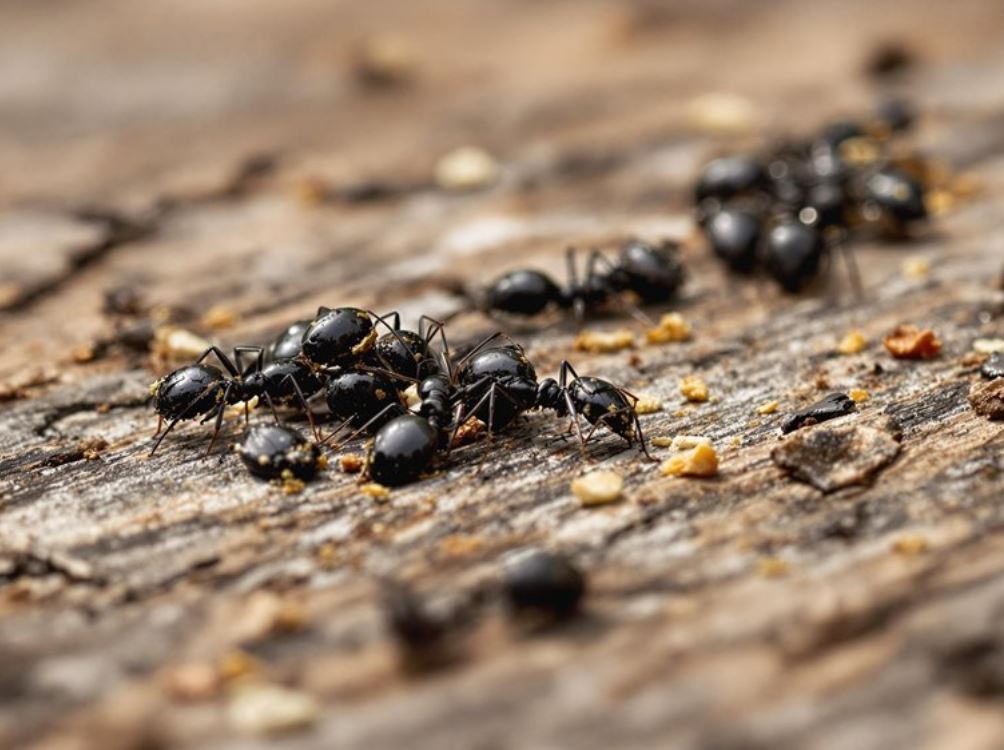
Arkansas Ants Identification Guide: Your Complete Handbook

Arkansas, nestled in the southeastern United States, is home to a rich and diverse array of ant species. From the dense forests of the Ozarks to the eastern lowlands, these industrious insects play critical roles in our ecosystems. Whether you’re a curious homeowner, an avid gardener, or an aspiring entomologist, identifying ants can be both fascinating and practical. As Dr. Eleanor Vance, an entomologist at the University of Arkansas, notes, “Properly identifying ant species is the first step in understanding their role in our environment, whether that means appreciating their ecological benefits or managing them effectively around our homes.”
This guide will equip you with the knowledge to identify common Arkansas ants, understand their behaviors, and distinguish between beneficial visitors and potential pests.
How to Identify Ants: Key Characteristics
Before diving into specific species, focus on these key identification points:
- Size: Measure the ant in millimeters. Note if there is a single size (monomorphic) or multiple sizes (polymorphic) within a colony.
- Color: Observe the body color—common shades are black, brown, red, yellow, or a combination.
- Node Structure: Look at the petiole (the connection between thorax and abdomen). How many nodes (bumps) are there? One or two?
- Texture & Hairs: Is the body shiny, dull, rough, or smooth? Are there noticeable hairs?
- Habitat: Where did you find it? In soil, under wood, inside your kitchen, or on trees?
- Behavior: Is the ant aggressive? Does it emit an odor when crushed? What is its trailing pattern?
Common Arkansas Ants: Identification & Comparison
1. Native & Beneficial Species
These ants are vital for soil aeration, seed dispersal, and pest control.
| Species Name | Size & Color | Key Identifying Features | Typical Habitat | Role & Behavior |
|---|---|---|---|---|
| Eastern Black Carpenter Ant | Large (6-13 mm), Black | Single node, rounded thorax, polymorphic workers. | Decaying wood, stumps, logs. | Important decomposers; do not eat wood but excavate it. Can be structural pests if they move to sound wood. |
| Texas Leafcutter Ant | Medium (3-16 mm), Reddish-brown | Polymorphic, extremely strong mandibles for cutting leaves. | Large, elaborate underground colonies in open fields. | Fungus farmers; they cut vegetation to cultivate fungus gardens. Significant agricultural herbivores. |
| Western Thatching Ant | Medium (4-6 mm), Red & Black | Two nodes, aggressive defenders, build large mound nests. | Meadows, forest edges; create conspicuous thatch mounds. | Predatory, control pest insects; their mounds are engineering feats that regulate temperature and moisture. |
| Pyramid Ant | Small (2-3 mm), Dark Brown | Single, pyramid-shaped node on the petiole. | Dry, sandy soils; often in lawns or open areas. | Insect predators; their small craters help control fire ant populations by stealing their brood. |
2. Common Nuisance & Invasive Species
These ants often enter homes, disrupt gardens, or outcompete native species.
| Species Name | Size & Color | Key Identifying Features | Typical Habitat | Impact & Notes |
|---|---|---|---|---|
| Red Imported Fire Ant (RIFA) | Small to medium (2-6 mm), Reddish-brown | Two nodes, aggressive, inflicts painful sting. Mounds lack central entrance. | Sunny, open areas like lawns, pastures; build loose soil mounds. | Invasive. Serious agricultural and medical pest. Their sting creates a white, pustular reaction. |
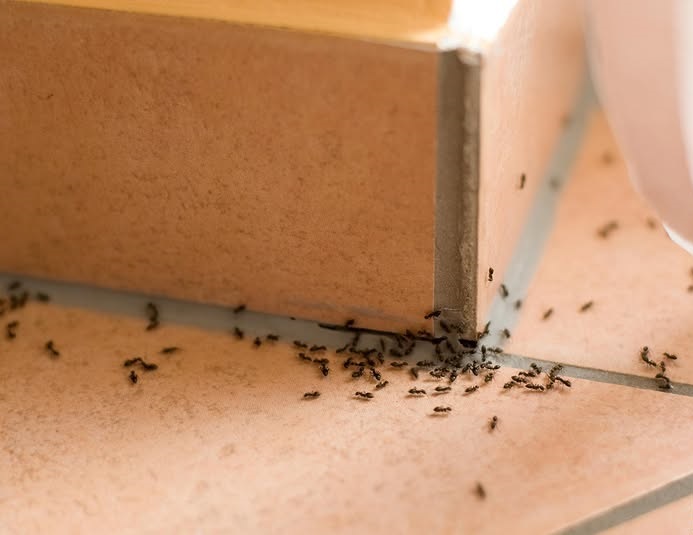
| Odorous House Ant | Small (2-3 mm), Dark Brown/Black | Single, hidden node. Emits strong rotten coconut odor when crushed. | Nests under mulch, stones, or indoors in wall voids. | Common kitchen pest; trails erratically along edges; loves sweets. |
| Pavement Ant | Small (2.5-3 mm), Dark Brown/Black | Two nodes, grooves on head and thorax. | Under sidewalks, driveways, foundation slabs. | Fights other colonies along pavement cracks; enters homes for greasy and sweet foods. |
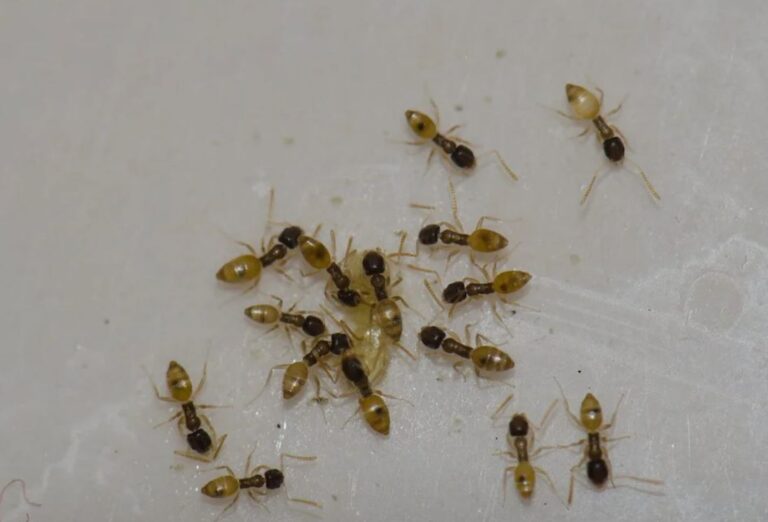
| Ghost Ant | Tiny (1.3-1.5 mm), Pale/Dark | Head & thorax dark brown, abdomen and legs pale, almost translucent. | Indoor colonies in potted plants, wall voids; high moisture areas. | Tropical species; “tramp ant” that forms supercolonies; very difficult to control. |
Step-by-Step Identification Flowchart
- Found indoors?
- Yes, and emits odor when crushed → Likely Odorous House Ant.
- Yes, tiny with pale abdomen → Likely Ghost Ant.
- Yes, near foundation/windows → Consider Pavement Ant or Argentine Ant.
- No, found outdoors → Proceed to 2.
- Observe the nest/mound:
- Large mound of thatched plant material → Western Thatching Ant.
- Loose soil mound in sunny area, ant stings → Red Imported Fire Ant.
- Small crater in sandy soil → Pyramid Ant.
- No mound, but from rotting wood → Proceed to 3.
- Check size and nodes:
- Very large (≥10mm), single node, black → Eastern Black Carpenter Ant.
- Various sizes, carrying leaf fragments → Texas Leafcutter Ant.
When to Seek Professional Help
While most ants are simply a curiosity, some situations call for expert intervention. “If you identify Red Imported Fire Ants or find large numbers of carpenter ants inside your home, it’s time to call a professional,” advises Michael Roy, a licensed Arkansas pest control operator. “These species can pose serious health risks or cause significant property damage, and DIY methods often fail to address the root colony.”
Ecological Importance & Coexistence
Most ants are not pests. They are soil engineers, predators of harmful insects, and a crucial food source for wildlife like birds, lizards, and frogs. Before taking action, ensure identification. Promoting a healthy lawn with native plants and minimizing outdoor food sources can encourage beneficial ants while discouraging nuisance species.
Conclusion
Arkansas’s ant population is remarkably diverse. With this guide, a magnifying glass, and a little patience, you can begin to unravel the fascinating world beneath your feet. Start by observing the ants in your own backyard—note their size, color, and where they are working. By learning to identify them, you gain a deeper appreciation for the complex ecological web of The Natural State.
Ready to learn more? Consider contributing your observations to citizen science projects like iNaturalist, which help researchers track ant populations and distributions across Arkansas.