
Do Ants Transmit Disease? A Comprehensive Guide

Ants are among the most common insects found in human dwellings worldwide. While they are often seen as mere picnic invaders, many homeowners and health professionals wonder: do ants transmit disease? The answer is more nuanced than a simple yes or no. While ants are not major disease vectors like mosquitoes or ticks, they can mechanically transport pathogens that pose health risks, especially in sensitive environments like hospitals, kitchens, and food preparation areas. This comprehensive article explores the scientific evidence, potential risks, and practical prevention strategies.
How Ants Could Potentially Transmit Pathogens
Ants can interact with pathogens through several mechanisms:
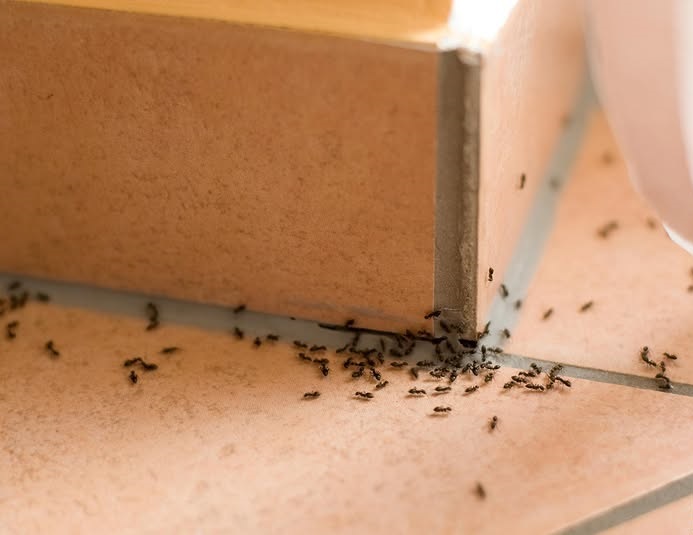
- Mechanical Transmission: This is the primary concern. Ants crawl over garbage, sewage, decaying matter, and animal feces, picking up bacteria, viruses, and fungi on their legs and bodies. They then traverse countertops, food packaging, and utensils, potentially depositing these pathogens.
- Regurgitation and Defecation: Some ants may regurgitate digestive juices or defecate on food sources, which could introduce contaminants from their gut.
- Biting: While ant bites are primarily an irritant, they can break the skin and potentially introduce secondary bacteria if the bite site is not kept clean.
Diseases and Pathogens Linked to Ants
Research has identified numerous pathogenic microorganisms on various ant species. The risk is highest in healthcare settings and places with poor sanitation.
| Pathogen Type | Specific Examples | Associated Ant Species | Potential Health Impact |
|---|---|---|---|
| Bacteria | Salmonella spp., E. coli, Staphylococcus aureus (including MRSA), Shigella, Pseudomonas aeruginosa | Pharaoh ants, Carpenter ants, Argentine ants, Black garden ants | Food poisoning, wound infections, gastrointestinal illnesses, hospital-acquired infections |
| Fungi | Candida spp., Aspergillus spp. | Various species, especially in damp environments | Opportunistic infections, particularly in immunocompromised individuals |
| Parasites | Eggs of parasitic worms (e.g., pinworms) | Ants foraging in contaminated soil or feces | Intestinal parasitosis |
| Viruses | Less documented, but possible mechanical transfer | N/A | Theoretical risk, but not a primary vector |
Ant Species of Particular Concern
Not all ants pose the same level of risk. Some species are more likely to invade homes and healthcare facilities.
| Ant Species | Habitat Preference | Key Risk Factor | Associated Pathogens |
|---|---|---|---|
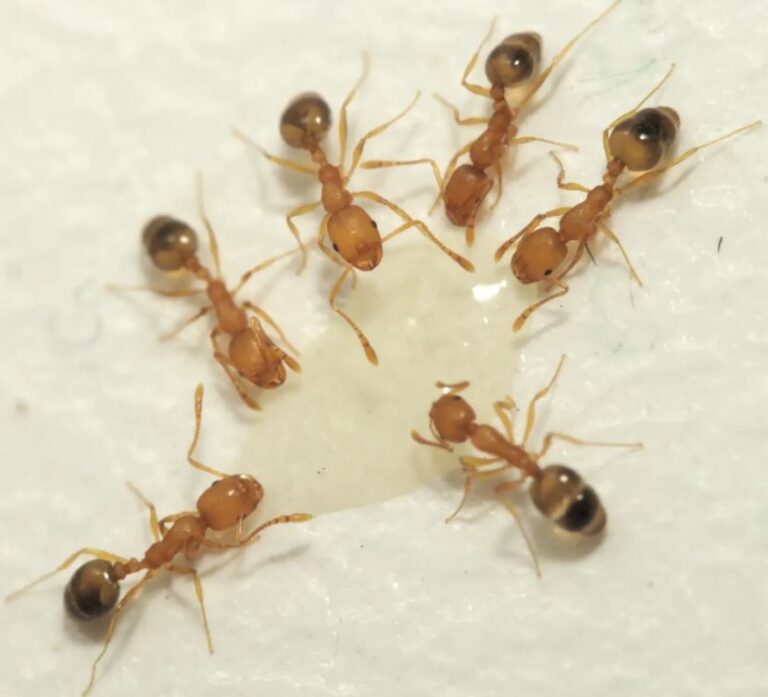
| Pharaoh Ant (Monomorium pharaonis) | Hospitals, nursing homes, commercial kitchens. Nests in wall voids, electrical outlets. | Extremely difficult to eradicate; forages in sterile supplies, wounds, and IV units. | Staphylococcus, Streptococcus, Salmonella, Pseudomonas |
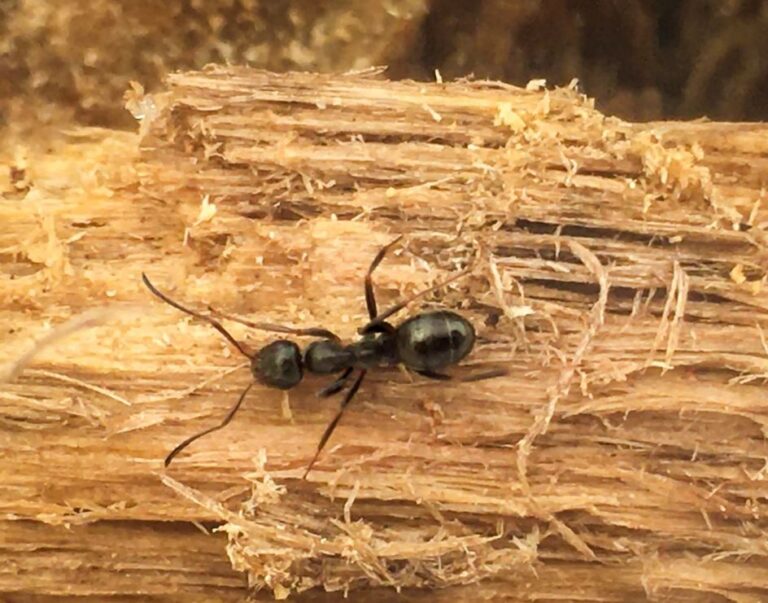
| Carpenter Ant (Camponotus spp.) | Damp, decaying wood; often enters homes seeking food. | Forages in rotten wood and dead insects, then enters pantries. | General food-borne bacteria, mold spores |
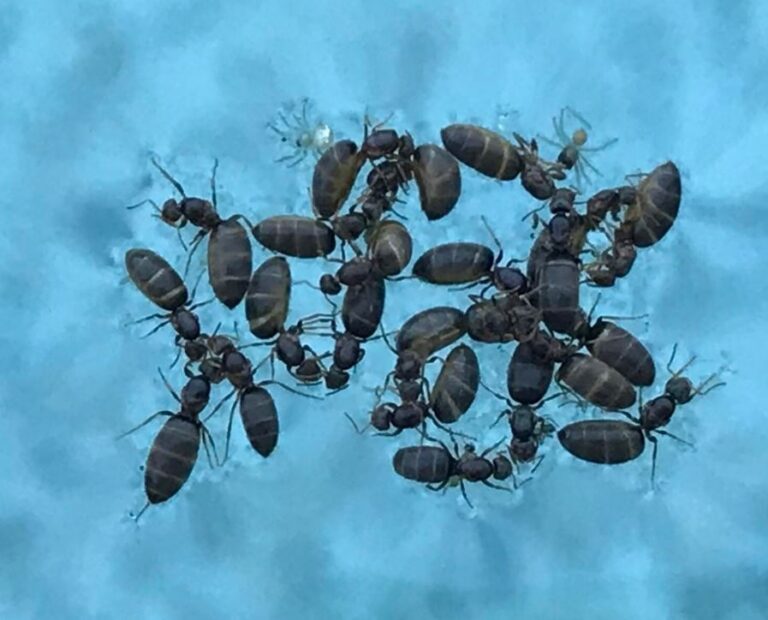
| Argentine Ant (Linepithema humile) | Forms massive colonies; highly invasive in homes. | High traffic between outdoor contaminants and indoor food sources. | E. coli, Salmonella |
| Odorous House Ant (Tapinoma sessile) | Nests under floors, inside walls; attracted to sweets. | Common kitchen invader; known to crawl over unclean surfaces. | Common food-borne bacteria |
Assessing the Real-World Risk: Ants vs. Other Pests
To put the risk from ants into perspective, it’s useful to compare them to recognized disease vectors.
| Vector | Primary Transmission Method | Major Diseases Transmitted | Risk Level in Homes |
|---|---|---|---|
| Mosquitoes | Biological (through bite) | Malaria, Dengue, Zika, West Nile Virus | High (Dependent on region) |
| Ticks | Biological (through bite) | Lyme disease, Rocky Mountain Spotted Fever | High (In endemic areas) |
| Cockroaches | Mechanical (legs, body, feces) | Salmonellosis, E. coli infections, allergens | Moderate to High |
| House Flies | Mechanical (legs, mouthparts, vomit) | Cholera, typhoid, dysentery, shigellosis | Moderate |
| Ants | Mechanical (legs, body) | Potential for food poisoning, secondary infections | Low to Moderate (Higher in hospitals) |
Key Takeaway: Ants are not biological vectors—they do not harbor pathogens within their bodies as part of a life cycle. Their role is mechanical, similar to house flies but typically with less direct contact with highly pathogenic waste. The greatest risk is food contamination leading to gastrointestinal issues.
High-Risk Environments
- Hospitals and Healthcare Facilities: Pharaoh ants are a notorious problem. They can access sterile supplies, wounds, and even sealed packages, posing a serious risk of nosocomial (hospital-acquired) infections.
- Food Processing Plants and Restaurants: Any facility where food is stored or prepared is at risk from ant infestations, which can lead to food contamination and regulatory violations.
- Homes with Infants, Elderly, or Immunocompromised Individuals: These groups are more susceptible to infections, so ant control is crucial.
Prevention and Control: The First Line of Defense
Preventing infestation is more effective than dealing with an established colony.
- Eliminate Food Sources: Store food (including pet food) in airtight containers. Clean up spills and crumbs immediately. Manage garbage with tight-fitting lids.
- Seal Entry Points: Caulk cracks and crevices in foundations, around windows, and utility pipes.
- Manage Moisture: Fix leaky pipes and faucets, as moisture attracts many ant species.
- Professional Pest Control: For persistent infestations, especially of species like Pharaoh ants, professional treatment is often necessary. They can use targeted baits and strategies that eliminate the entire colony.
Conclusion: Should You Be Worried?
While ants are not major epidemic disease vectors, they are unquestionably potential carriers of pathogens that can cause illness. The risk to a healthy individual in a clean home is relatively low, often limited to the nuisance factor. However, the risk escalates in environments where sanitation is critical, such as hospitals, or in homes with significant infestations.
Therefore, the presence of ants should not be ignored. They are more than just a nuisance; they are a sign of an ecosystem that can support pathogens. Effective ant control is an important component of maintaining a hygienic home and work environment, preventing the mechanical spread of bacteria and protecting vulnerable populations.