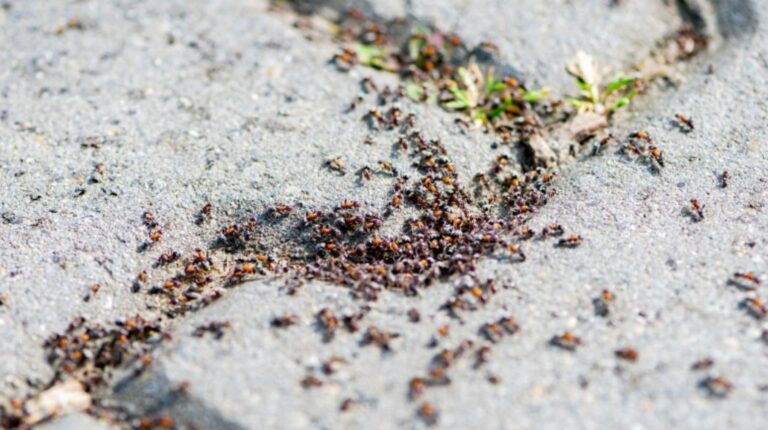

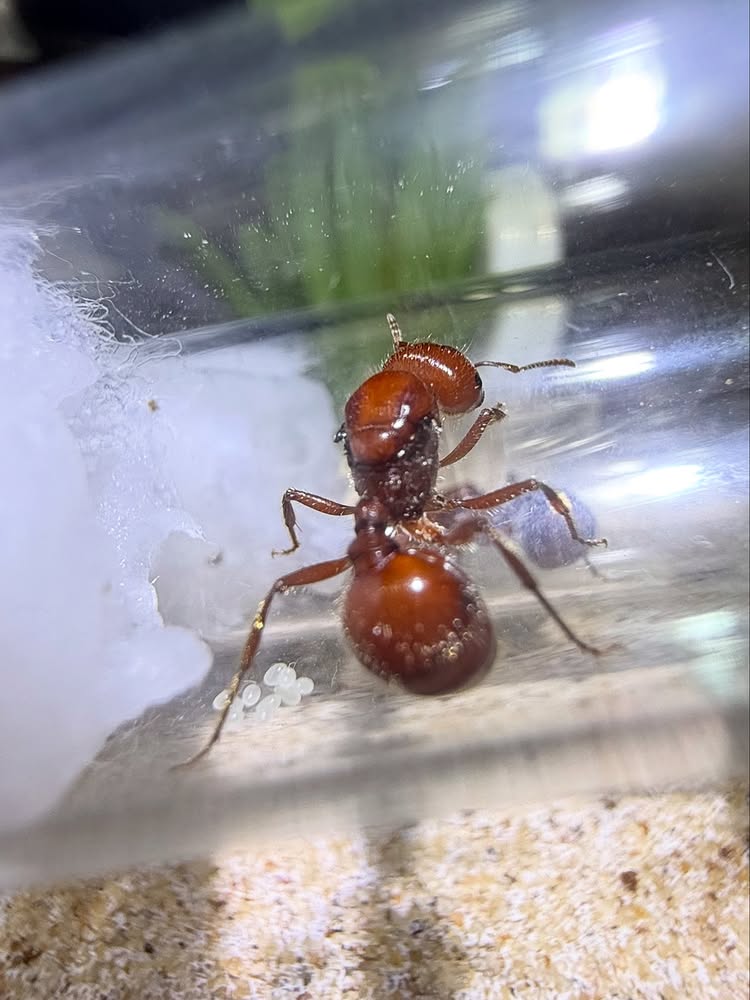
The Emerging Threat: Are Fire Ants Establishing a Presence in Michigan?

Introduction
The mention of fire ants typically conjures images of the southern United States, where species like the Red Imported Fire Ant (Solenopsis invicta) are notorious pests. However, climate change, human commerce, and shifting ecological conditions are redrawing the maps of invasive species. For Michigan residents, homeowners, and agricultural professionals, a critical question arises: Are fire ants in Michigan a present danger or a future threat? This comprehensive article examines the current status, potential risks, and essential preventive knowledge surrounding fire ants and their relation to the Great Lakes State.
Current Status: Fire Ants in Michigan
As of the latest entomological surveys and data from the Michigan Department of Agriculture and Rural Development (MDARD), there are no established, widespread populations of true fire ants (Solenopsis spp.) in Michigan. The state’s climate, particularly its harsh winters with deep frost lines, has historically acted as a significant barrier to the northward spread of these cold-sensitive insects.
However, this does not mean Michigan is entirely fire-ant-free. Two key scenarios are important to understand:
- Isolated Introductions: Individual colonies can and do appear sporadically, typically via imported soil, potted plants, or landscaping materials from infested regions. These are considered interceptions and are usually targeted for immediate eradication by state authorities before they can establish.
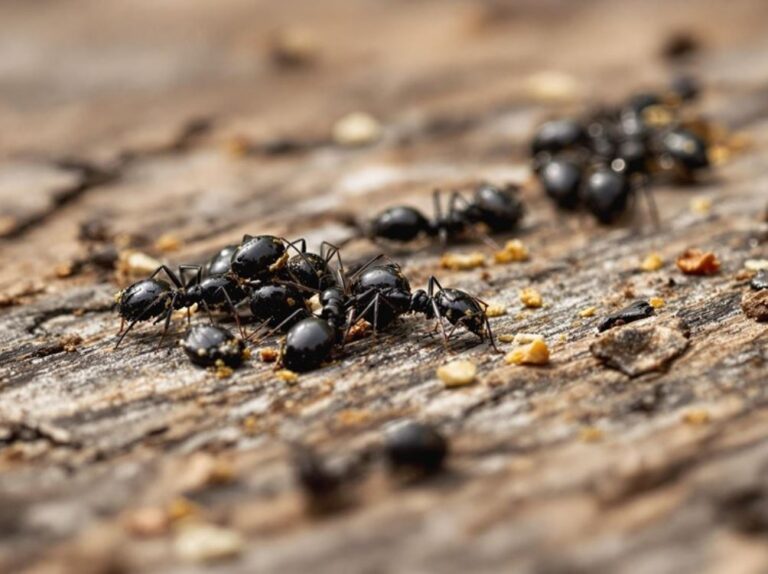
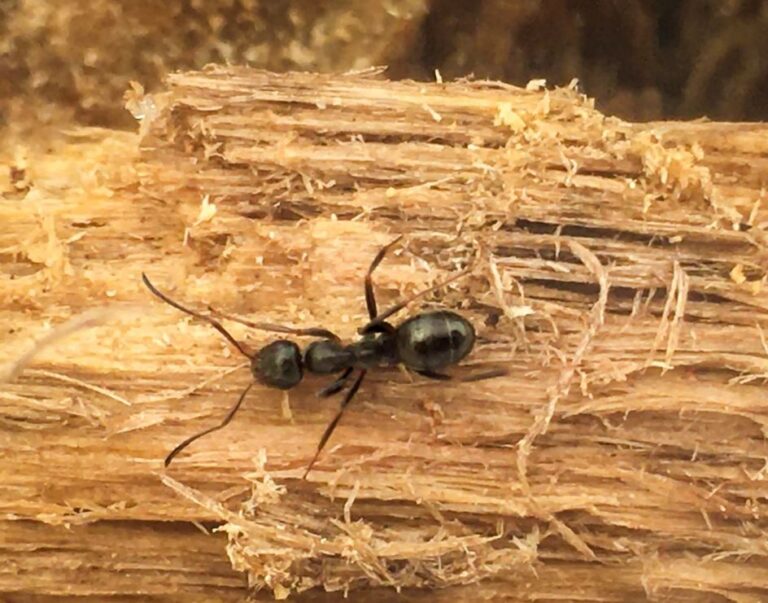
- Native Look-Alikes: Several native Michigan ant species are often mistaken for fire ants, causing unnecessary alarm.
Key Takeaway: Michigan is currently in a “preventative and monitoring” phase rather than an active infestation phase for true fire ants. Vigilance is crucial to maintaining this status.
The Native Impostors: Common Michigan Ants Mistaken for Fire Ants
Misidentification is common. Here are the primary culprits:
| Ant Species | Key Characteristics | Aggression & Sting | Mound Appearance |
|---|---|---|---|
| European Fire Ant (Myrmica rubra) (Invasive in MI) | Small, reddish-brown. Prefers moist, shaded areas. | Extremely aggressive. Can sting repeatedly, causing a burning sensation. | Not large mounds; nests under logs, stones, in mulch. |
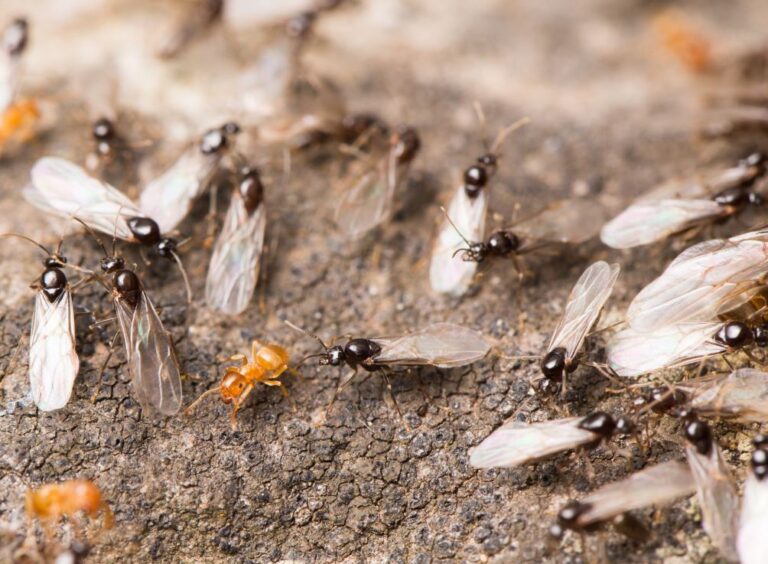
| Thief Ant (Solenopsis molesta) | Tiny, yellow to light brown. | Non-aggressive. Do not sting. | Small, inconspicuous nests, often near other ant colonies. |
| Field Ant (Formica spp.) | Larger, varied in color (black, red, brown). | Can bite and spray formic acid, but not highly aggressive. | Builds large, thatched mounds of plant material. |
| Red Imported Fire Ant (Solenopsis invicta) (NOT ESTABLISHED) | Coppery-red head/body, darker abdomen. | Extremely aggressive. Swarm and sting repeatedly. Venom causes white, pustule-forming welts. | Builds large, dome-shaped soil mounds, no central entrance. |
Important Note: The European Fire Ant (Myrmica rubra) is an established invasive species in parts of the Lower Peninsula and the Upper Peninsula. While distinct from Solenopsis fire ants, its painful sting and aggressive nature rightly earn it the “fire ant” moniker and make it a significant nuisance pest in affected areas.
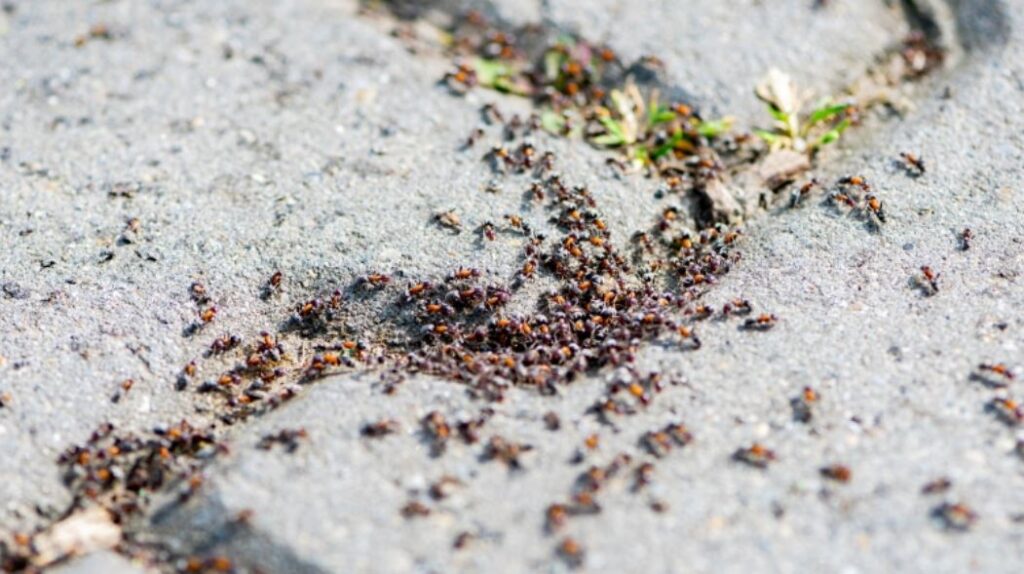
The Risk Assessment: Could Fire Ants Establish in Michigan?
The future risk is real and is modeled on several converging factors:
- Climate Change: Warming temperatures, particularly milder winters with less persistent snow cover, are gradually reducing the climatic barriers that have protected Michigan. The USDA’s plant hardiness zone maps have shifted northward, indicating a trend that could eventually support fire ant survival.
- Human-Mediated Spread: The global movement of goods is the most likely vector. Fire ant colonies can be transported in root balls of nursery stock, shipments of sod, or in soil-contaminated cargo.
- Urban Heat Islands: Cities like Detroit, Grand Rapids, and Lansing create microclimates that are several degrees warmer than surrounding rural areas. These could serve as potential beachheads for establishment.
Potential Impact if Established:
The consequences would be severe, spanning:
- Public Health: Increased sting incidents, with risks of severe allergic reactions (anaphylaxis).
- Agriculture & Livestock: Damage to crops, irrigation systems, and harm to young livestock and poultry.
- Ecology: Displacement of native ant and arthropod species, disruption to soil ecosystems.
- Economic: Increased pest control costs, damage to electrical equipment (a known fire ant behavior), and reduced outdoor recreational use of parks and gardens.
Identification and Response: What Michiganders Should Do
1. Accurate Identification
Before taking action, ensure you are dealing with the correct insect. Look for:
- Mound Shape: True fire ant mounds are loose, dome-shaped soil structures with no visible central entrance.
- Ant Behavior: When disturbed, fire ants swarm rapidly and aggressively up vertical surfaces to sting.
- Sting Appearance: Fire ant stings typically result in itchy, white pustules within 24-48 hours.
2. If You Suspect True Fire Ants (Solenopsis invicta)
- DO NOT disturb the colony or attempt to control it with over-the-counter products.
- DO take close-up photos of the ants and the mound.
- CONTACT authorities immediately:
- Michigan Department of Agriculture and Rural Development (MDARD) at 800-292-3939.
- Alternatively, contact your local Michigan State University Extension county office or submit a report via the MSU Extension “Eye on Invasive Species” portal.
3. For European Fire Ants or Other Nuisance Ants
For established invasive species like the European Fire Ant, management focuses on containment:
- Drench Insecticide Treatments: Applied by professionals to nest sites.
- Landscape Modification: Reducing moisture and mulch in affected areas.
- Bait Systems: Used cautiously to target specific colonies.
Prevention: Keeping Michigan Fire-Ant Free
Prevention is the most cost-effective strategy. Michiganders can help:
- Inspect nursery plants, sod, and landscaping materials before purchase and installation. Look for ants in the soil.
- Be Cautious when receiving shipments or moving equipment from states with known fire ant infestations (e.g., Southern, Southwestern, and Western states).
- Educate yourself and others on proper identification.
- Support state survey and monitoring efforts by reporting suspicious findings.
Conclusion
While Michigan is not currently home to established populations of Red Imported Fire Ants, the threat is evolving. The combination of climate change and global trade necessitates a proactive stance. The presence of the sting-invasive European Fire Ant in parts of the state serves as a reminder that aggressive, non-native ants can and do find niches in Michigan’s ecosystem.
The key to protecting Michigan’s public health, agriculture, and natural resources lies in public awareness, accurate identification, and prompt reporting. By staying informed and vigilant, residents, horticulturalists, and professionals can form the first and most critical line of defense against the northward march of these invasive pests. The goal is clear: to ensure that the painful sting of true fire ants remains a southern concern, not a future Michigan reality.