
Winged Ants in Ohio: Understanding Seasonal Swarmers

Introduction: The Annual Aerial Phenomenon
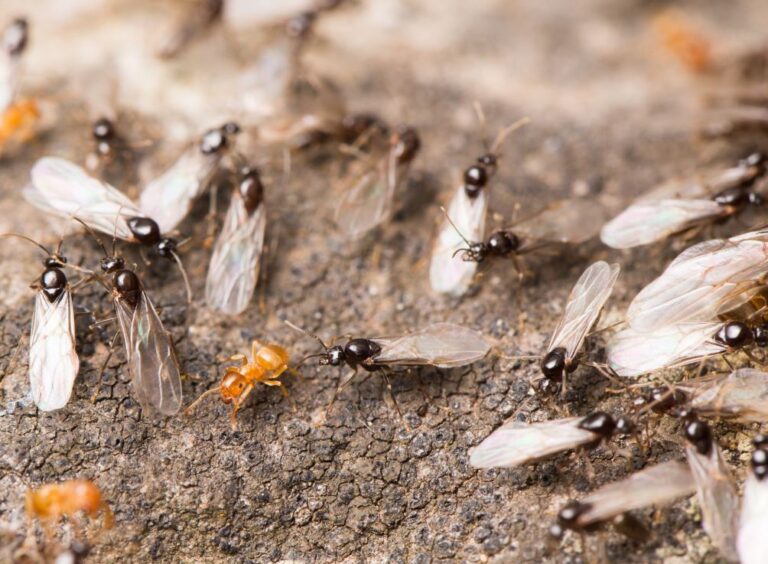
Each year, typically from late spring through summer, Ohio residents witness a curious natural event: clouds of winged ants taking to the skies. These “swarmers” or “alates” are not a sign of an infestation gone wild, but a crucial phase in ant reproduction and colony expansion. Understanding these winged ants demystifies their behavior and helps distinguish them from destructive pests like termites.
As Dr. Susan Jones, entomologist at The Ohio State University Extension, notes: “The sudden appearance of winged ants is a natural, seasonal occurrence. These are reproductive males and females leaving established colonies to mate and start new nests. While startling, it’s a sign of healthy ant populations in the ecosystem.”
Why Do Ants Grow Wings?
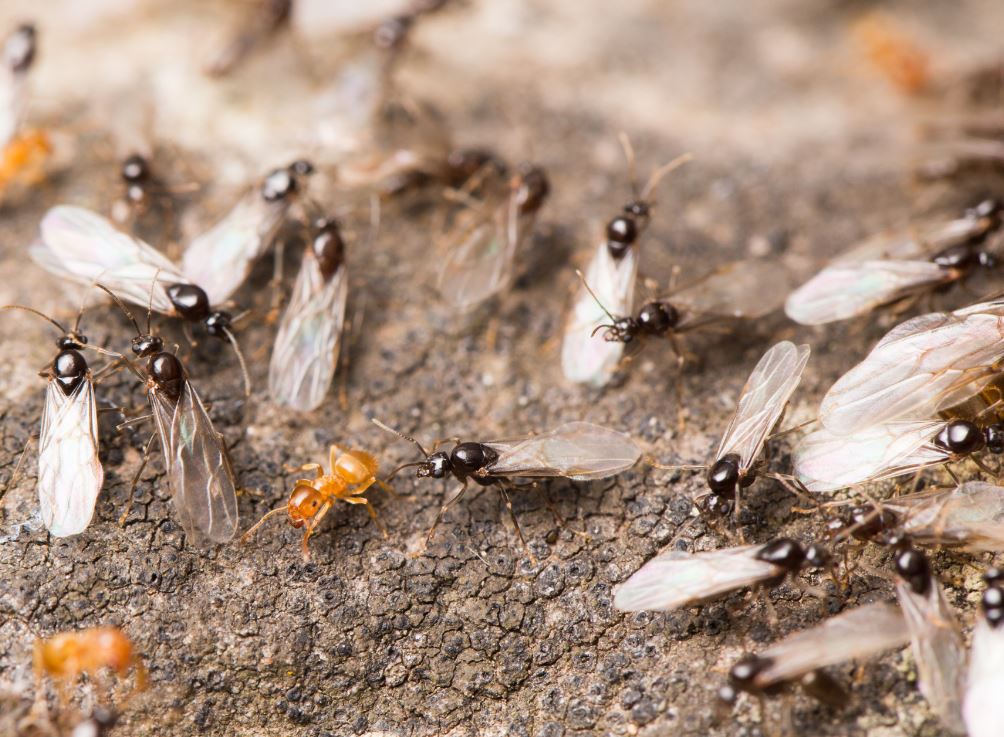
Winged ants are the reproductive members of an ant colony. They develop during specific times of the year when conditions—like temperature, humidity, and daylight—are optimal for mating flights, known as “nuptial flights.”
Key Roles:
- Queens: Fertilized females that will shed their wings after mating and attempt to establish a new colony.
- Males: Their sole purpose is to mate; they die shortly after the nuptial flight.
Common Winged Ant Species in Ohio
Several ant species native to Ohio produce noticeable swarms.
| Species | Swarm Season | Typical Habitat | Post-Flight Behavior |
|---|---|---|---|
| Carpenter Ant | Late Spring – Early Summer | Forests, wooded suburbs, buildings with wood moisture | Queens seek moist, decaying wood to establish new colonies |
| Pavement Ant | Mid to Late Summer | Urban areas, under pavement, sidewalks | Queens dig small burrows in soil or under slabs |
| Odorous House Ant | Late Spring | Wide variety, often near homes | Queens seek protected spaces, often indoors if accessible |
| Field Ant | Summer | Meadows, lawns, open areas | Queens burrow into soil to create new mounds |
Winged Ants vs. Termites: A Critical Distinction
Mistaking winged ants for termites can lead to unnecessary panic or missed warnings. Here’s a quick comparison:
| Feature | Winged Ants | Winged Termites |
|---|---|---|
| Body Shape | Pinched, clearly segmented waist | Straight, broad waist without pinching |
| Antennae | Elbowed or bent | Straight, bead-like |
| Wings | Front wings larger than hind wings; veins present | Two pairs of equal-length wings; few veins |
| Color | Typically dark (black, brown, red) | Usually uniform pale or cream-colored |
Quote from a Pest Control Professional:
“About 50% of our ‘termite’ emergency calls in Columbus during spring are actually winged ants,” says Mark Thompson of Buckeye Pest Solutions. “Taking a moment to look at the insect’s waist and wings can save homeowners significant worry and expense.”
The Ecological Role of Swarming Ants
Winged ants are a vital part of Ohio’s food web. They provide a seasonal bounty for birds, spiders, dragonflies, and other insectivores. Their mating flights also help genetically mix ant populations across regions. Furthermore, ants are soil aerators and decomposers, playing a key role in nutrient cycling.
When Should Ohio Homeowners Be Concerned?
Not all winged ants indicate a problem. However, consider taking action if you observe:
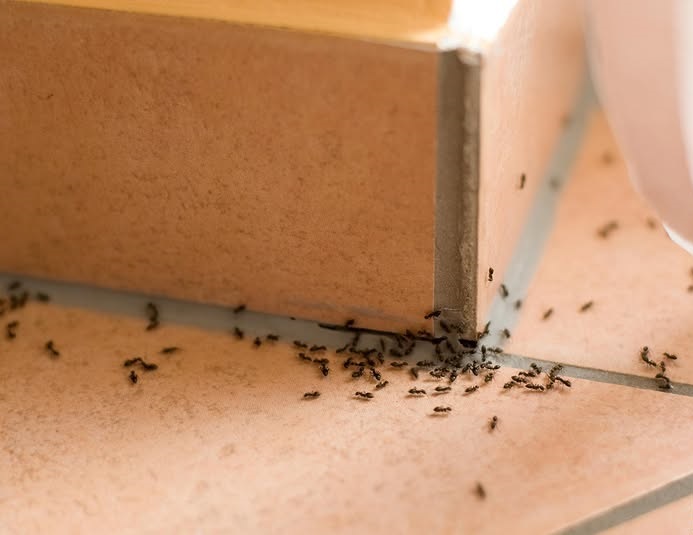
- Indoor Swarms: Large numbers emerging from inside your home, particularly from walls or flooring, may signal an indoor nest.
- Carpenter Ant Sightings: Since they excavate wood (though do not eat it), their presence can indicate moisture-damaged timber.
- Persistent Outdoor Numbers: Consistent swarming directly from your foundation or siding might mean a colony is domiciled in your structure.
Prevention Tips:
- Reduce moisture by fixing leaks and ensuring proper drainage.
- Seal cracks and crevices in the home’s exterior.
- Store firewood away from the house and elevated off the ground.
- Trim tree branches and vegetation away from the structure.
Managing Winged Ant Swarms
For most outdoor swarms, no intervention is needed—the event will be over in a few hours. If ants are entering from outdoors, vacuuming them up is an effective short-term solution. For suspected indoor colonies or carpenter ants, consulting a licensed pest management professional is recommended, as treatment often requires locating the parent colony.
Conclusion: Coexisting with Ohio’s Winged Ants
The appearance of winged ants across Ohio’s landscapes is a remarkable natural ritual, signaling the continuation of ant species that play essential roles in our environment. By understanding their lifecycle, identifying them correctly, and taking preventive steps for home protection, Ohioans can appreciate this aerial phenomenon without undue concern. Remember, these seasonal swarmers are a temporary sight, not a permanent nuisance.

![How Much Does Snake Removal Cost? [2025 Data]](https://slashandscroll.com/wp-content/uploads/2025/07/Snake-removal-cost-768x619.jpg)