
Do Pavement Ants Bite? A Complete Guide to Prevention and Treatment

Yes, pavement ants can and will bite if they feel threatened or their nest is disturbed. While their bites are generally mild, they can cause discomfort, minor pain, and potential allergic reactions in sensitive individuals. Understanding their behavior is key to peaceful coexistence.
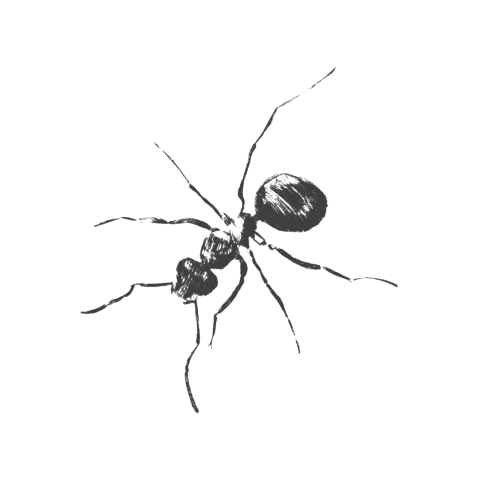
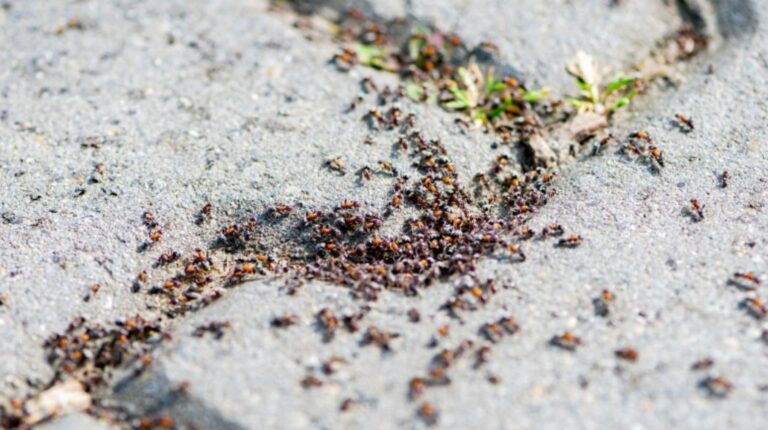
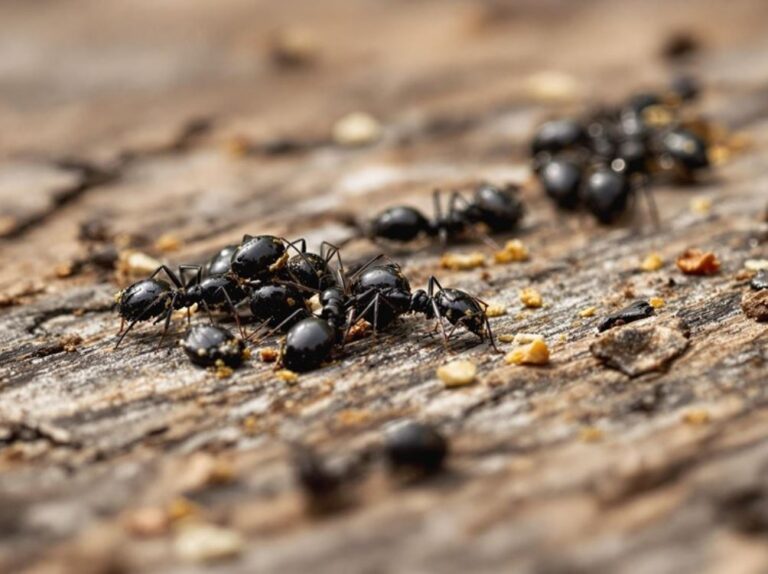
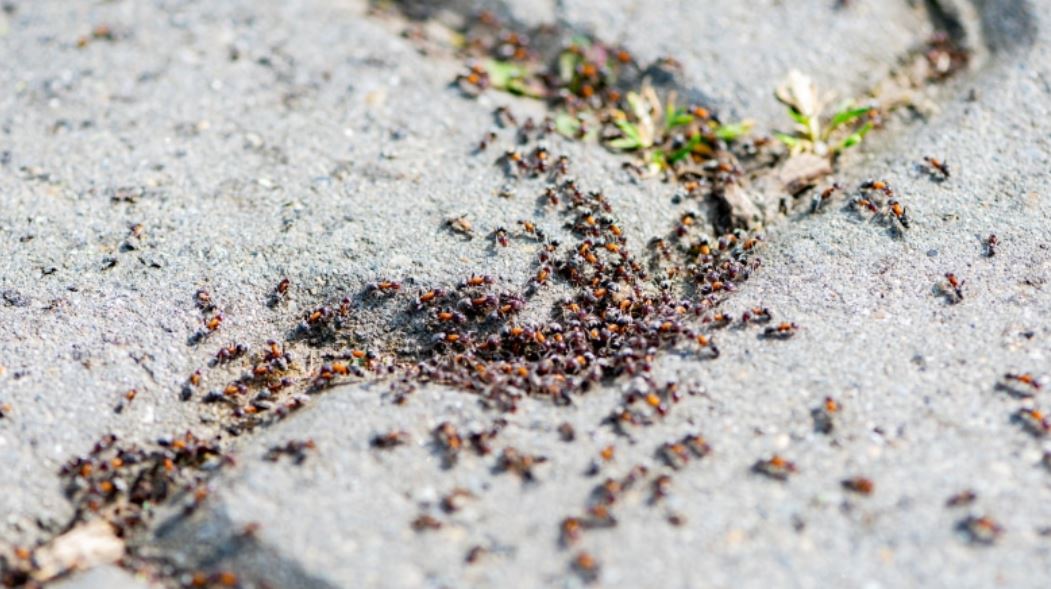
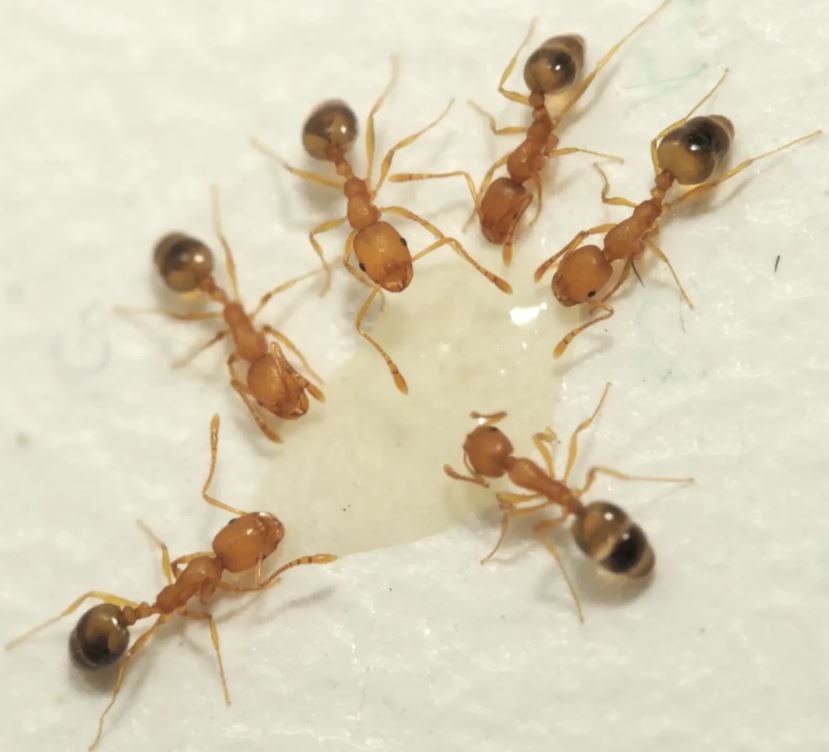
Pavement ants (Tetramorium immigrans) are one of the most common household ants in North America. Named for their habit of nesting under sidewalks, driveways, and building foundations, these small, dark brown to black ants often invade homes in search of food. A frequent question homeowners and gardeners ask is whether these tiny invaders pose a physical threat through biting.
Understanding Pavement Ant Behavior
Pavement ants are primarily foragers. They form large colonies with multiple queens and thousands of workers. Their main goals are food collection and colony protection.
Dr. Eleanor Vance, an urban entomologist, notes: “Pavement ants are more of a nuisance pest than a dangerous one. Their biting is a defensive mechanism, not an offensive one. They typically bite humans only when crushed against skin or when their nest is directly threatened.”
Unlike some ant species, pavement ants do not possess a stinger. Their primary means of defense is their mandibles—strong pincers they use to cut food and, when necessary, to bite.
The Pavement Ant Bite: What to Expect
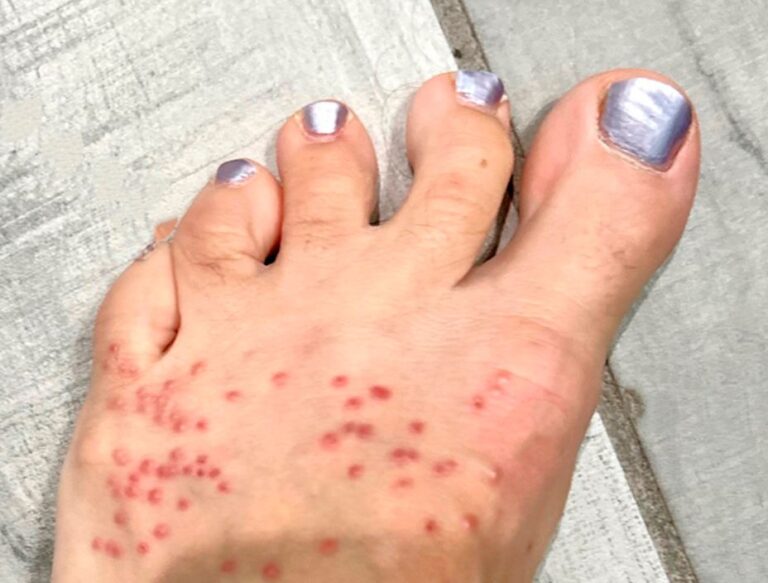
When a pavement ant bites, it uses its mandibles to grip and pinch the skin. This can result in:
- A momentary sharp pinch or mild pain.
- Minor redness and slight swelling at the bite site.
- Potential itching as the bite reacts.
For the vast majority of people, the reaction is mild and short-lived, subsiding within a few hours to a day. The bite is less severe than that of a fire ant or harvester ant.
Comparative Table: Pavement Ant Bite vs. Other Common Ant Bites
| Feature | Pavement Ant | Fire Ant | Carpenter Ant | Odorous House Ant |
|---|---|---|---|---|
| Primary Action | Bites (pinches) | Bites and stings | Bites (can tear skin) | Rarely bites |
| Pain Level | Mild, momentary | Sharp, burning, intense | Moderate, can be painful | Negligible |
| Common Reaction | Minor redness, itching | White pustule, severe redness, itching | Minor bleeding, possible swelling | Typically none |
| Medical Concern | Low (unless allergic) | Moderate to High (allergic risk) | Low (but bite can be painful) | Very Low |
| Typical Scenario | When nest is disturbed or ant is crushed | Aggressive, will attack if mound is disturbed | When handled or threatened | Avoids confrontation |
Risk Factors and Allergic Reactions
While rare, some individuals may experience an allergic reaction to ant bites, including those from pavement ants. Signs of a more serious reaction include:
- Excessive swelling extending far from the bite site.
- Difficulty breathing or tightness in the throat.
- Dizziness or nausea.
- Development of a rash or hives.
If you experience any of these symptoms, seek medical attention immediately, as they may indicate anaphylaxis.
Children and individuals with known insect allergies should be particularly cautious. Pest control professional Mark Davies advises: “If you have a severe pavement ant infestation indoors, especially in a child’s room or kitchen, it’s wise to call a pro. Reducing the population reduces the chance of accidental encounters and bites.”
First Aid and Treatment for Pavement Ant Bites
For a typical, mild bite, follow these steps:
- Wash the area with soap and cool water to prevent infection.
- Apply a cold compress or ice pack (wrapped in a cloth) to reduce swelling and soothe itching.
- Use over-the-counter remedies: Apply hydrocortisone cream, calamine lotion, or take an oral antihistamine (like Benadryl) to manage itching.
- Avoid scratching to prevent breaking the skin and causing a secondary bacterial infection.
The bite should heal on its own within a few days.
Prevention: Keeping Pavement Ants at Bay
The best way to avoid pavement ant bites is to prevent infestations.
- Seal Entry Points: Caulk cracks in foundations, gaps around doors, windows, and utility pipes.
- Eliminate Food Sources: Keep kitchens clean, store food (including pet food) in airtight containers, and manage garbage promptly.
- Remove Attractants: Clean up spills and crumbs immediately. Rinse recyclables before disposal.
- Landscape Management: Keep mulch and vegetation several inches away from the home’s foundation. Seal cracks in pavement where colonies may start.
When to Call a Professional
Consider professional pest control if:
- You see large, persistent trails of ants inside your home.
- You locate a nest that is difficult to access or treat.
- DIY methods (like bait stations) have failed.
- You or a family member have allergies to insect bites.
Conclusion
Pavement ants are equipped to bite, but they do so infrequently and without severe consequences for most people. Their bite is a minor defensive act, far less aggressive and painful than that of many other ant species. By understanding their behavior—that they bite primarily in defense—and taking proactive steps to seal your home and remove food sources, you can minimize contact and live without concern. The key is integrated pest management: exclusion, sanitation, and targeted control when necessary. Remember, if you are ever unsure about an insect bite or experience signs of an allergic reaction, consulting a healthcare professional is always the safest course of action.