
The Complete Guide to Ants Infesting Trees: Prevention, Risks, and Solutions

Are Ants in Your Tree a Sign of Trouble?
Discovering a trail of ants marching up and down your favorite shade tree can be alarming. While ants are a vital part of healthy ecosystems, their presence in trees often signals underlying issues that could threaten the tree’s health. This comprehensive guide will help you understand why ants infest trees, the risks they pose, and effective, science-backed solutions to protect your arboreal assets.
Understanding the Ant-Tree Relationship: Symbiosis or Infestation?
Not all ants in trees are harmful. In fact, many species play beneficial roles. However, certain behaviors indicate a problematic infestation requiring intervention.
Why Ants Are Attracted to Trees
Ants seek out trees for several key reasons:
- Food sources: Aphids, scale insects, and other honeydew-producing pests
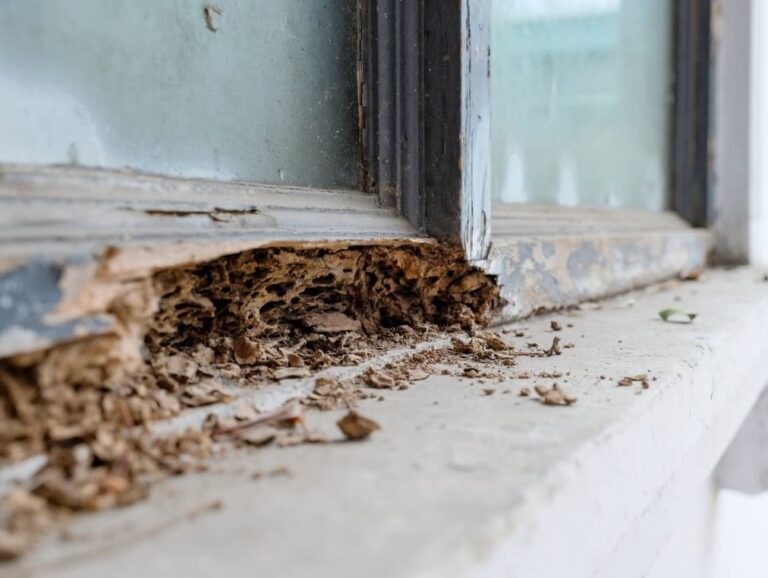
- Shelter: Hollow cavities, decaying wood, or under loose bark
- Nesting sites: Protected environments for colony establishment
- Moisture: Especially in dry conditions, trees can provide vital water
The Hidden Danger: Ants as Secondary Invaders
Crucially, ants are often symptoms rather than primary causes of tree decline. They frequently move into trees already compromised by other factors.
Primary Causes That Enable Ant Infestations
| Primary Issue | How It Attracts Ants | Tree Species Most Vulnerable |
|---|---|---|
| Wood Decay & Rot | Creates soft, excavatable nesting material | Maples, Oaks, Willows, Poplars |
| Borer Insect Damage | Provides entry points and decaying tissue | Pine, Spruce, Fruit Trees |
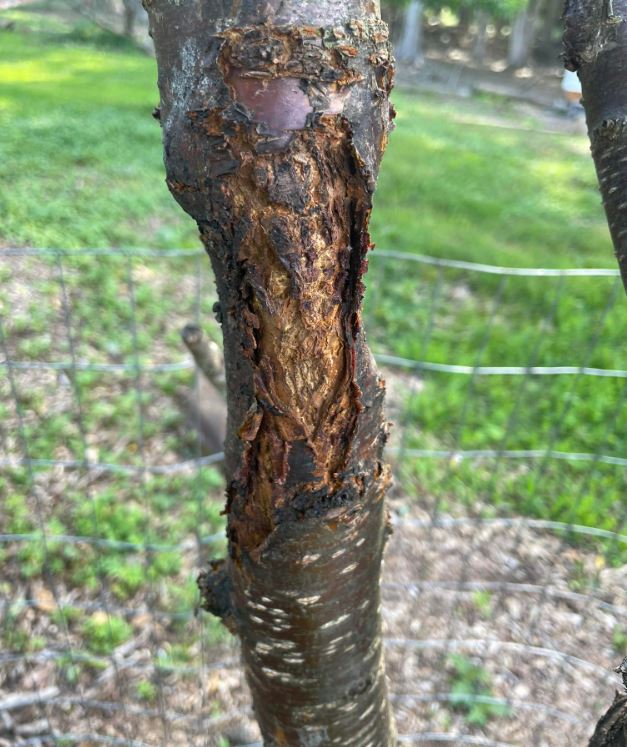
| Cankers & Wounds | Exposes moist, decaying wood | Most species, especially stressed trees |
| Aphid/Scale Infestations | Provides honeydew food source | Citrus, Crepe Myrtle, Pine, Maple |
Identifying Problematic Ant Species in Trees
Not all tree-visiting ants are equal. Here are the most common culprits:
Comparison of Tree-Infesting Ant Species
| Ant Species | Nesting Preference | Signs of Infestation | Potential for Damage |
|---|---|---|---|
| Carpenter Ants | Moist, decaying wood | Sawdust-like frass, large workers at night, rustling sounds | High – Can accelerate structural decay |
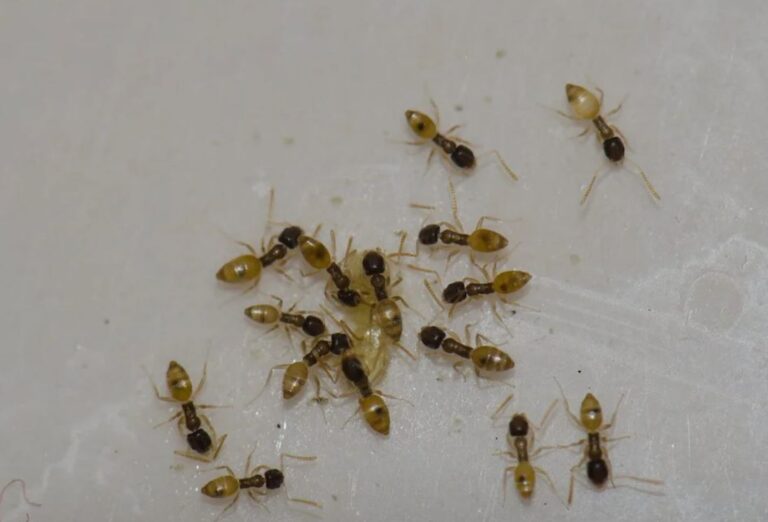
| Argentine Ants | Moist areas under bark | Extensive trailing, protect honeydew-producing pests | Moderate – Indirect harm via farming pests |
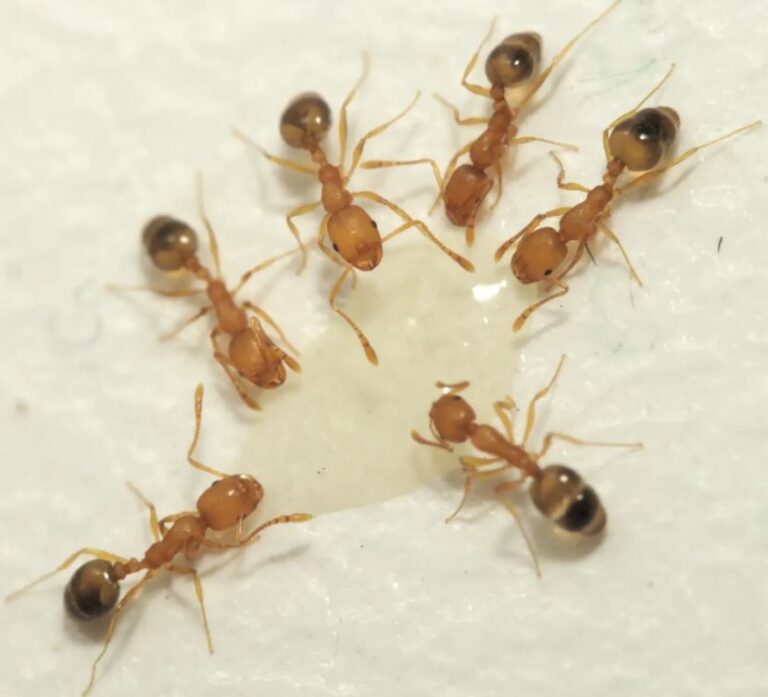
| Pavement Ants | Root zones, base cracks | Mounds at base, minor wood excavation | Low – Mostly nuisance |
| Acrobat Ants | Decaying branches, cavities | Heartwood damage, raise abdomen when disturbed | Moderate – Can hollow limbs |
Carpenter ants deserve special attention. Unlike termites, they don’t eat wood but excavate it to create nesting galleries. Their presence almost always indicates moisture problems and pre-existing decay.
Health Risks: When Ants Threaten Your Tree’s Vitality
Direct and Indirect Impacts
- Structural Weakening
- Excavation of heartwood compromises trunk and limb integrity
- Increased risk of branch drop or tree failure during storms
- Pest Facilitation
- Ants actively protect honeydew-producing insects (aphids, scales)
- These pests drain tree resources and can introduce diseases
- Disease Entry Points
- Ant activity can keep wounds open, preventing compartmentalization
- May introduce fungal spores into healthy tissue
Assessment Table: Is Your Tree at Risk?
| Risk Factor | Low Risk Indicators | High Risk Indicators |
|---|---|---|
| Ant Activity | Few ants, no visible nests | Continuous trails, frass piles, audible chewing |
| Tree Health | Vigorous growth, full canopy | Thinning canopy, dieback, multiple dead limbs |
| Structural Integrity | Solid trunk, no cavities | Hollow sounds when tapped, visible cavities, fungal growth |
| Location | Ornamental tree away from structures | Tree near home, playground, or parking area |
Step-by-Step Inspection: Diagnosing Your Ant Problem
Follow this systematic approach to assess the situation:
Visual Inspection Checklist
- Examine the base: Look for soil mounds, entrance holes
- Check bark: Probe for loose sections or hollow sounds
- Follow trails: Observe where ants are going and what they’re farming
- Look up: Check for canopy thinning, dieback, or honeydew shine
- Night inspection: Use a flashlight to spot nocturnal carpenter ants
Integrated Pest Management: Effective Control Strategies
A tiered approach yields the best, most sustainable results:
1. Cultural Controls (First Line of Defense)
- Prune properly: Remove dead/diseased limbs, maintain good air circulation
- Manage moisture: Fix irrigation overspray, improve drainage
- Seal wounds: Clean and properly seal pruning cuts (avoiding paint/sealants that trap moisture)
- Remove attractants: Address aphid/scale problems, clean up decaying material
2. Biological Controls
- Encourage natural predators: birds, beneficial insects
- Apply horticultural oils for honeydew-producing pests ants protect
- Use nematodes that target ant larvae in soil colonies
3. Targeted Chemical Interventions
Use as a last resort and always follow label instructions:
| Treatment Type | Application Method | Best For | Precautions |
|---|---|---|---|
| Borate Baits | Stations at base, trunk applications | Carpenter ants, widespread colonies | Keep away from pets, water sources |
| Dust Insecticides | Puffed into cavities, under bark | Localized nesting sites | Avoid blooming periods, windy days |
| Barrier Sprays | Applied to lower trunk | Climbing ants, Argentine ants | Don’t apply to wounded areas or roots |
| Soil Drenches | Applied to root zone | Nests at base, pavement ants | Prevent runoff, protect groundwater |
Professional vs. DIY: When to Call an Arborist
Decision Guide
You can likely handle it yourself if:
- Ant activity is minimal with no nesting signs
- Tree is otherwise healthy with no structural issues
- Infestation is limited to small, accessible areas
Call a certified arborist when:
- Large carpenter ant colonies are present
- Tree shows significant decline or structural weakness
- Nesting is in the upper canopy or main trunk
- You’re unsure about tree health or safety risks
Prevention: Long-Term Tree Health Strategies
Annual Maintenance Schedule
| Season | Key Actions | Prevention Focus |
|---|---|---|
| Spring | Inspect for winter damage, apply dormant oils | Early pest detection, wound management |
| Summer | Monitor for aphids/scale, check ant activity | Honeydew producer control, hydration |
| Fall | Prune deadwood, clean base, apply ant barriers | Winter prep, reducing nesting sites |
| Winter | Structural assessment, plan treatments | Dormant season care, evaluation |
The Ecological Balance: When to Leave Ants Alone
Not every ant in a tree requires intervention. Consider tolerance when:
- The tree shows no signs of decline
- Ants are not causing structural damage
- The colony is small and not expanding
- The tree is in a natural area away from human structures
- Ants are providing ecosystem services (predation on other pests)
Conclusion: A Holistic Approach to Tree and Ant Management
Ants in trees are nature’s indicators, often revealing moisture issues, decay, or pest imbalances. By focusing on tree health first—proper pruning, watering, and monitoring—you create an environment less susceptible to problematic infestations. Regular inspections, prompt attention to wounds, and addressing the root causes (rather than just the ants) will protect your trees most effectively.
Remember: Healthy trees resist pests naturally. Your goal shouldn’t be a sterile, ant-free landscape, but rather a balanced ecosystem where trees thrive with minimal intervention. When action is needed, choose targeted, least-toxic methods that preserve both your trees and the beneficial insects that maintain garden health.