
Can Ants Live in Walls? The Hidden Infestation Guide

Introduction: The Colony
You notice a few ants wandering across your kitchen counter. Annoying, but no big deal, right? What you might not realize is that these lone scouts could be evidence of a much larger problem hidden from view: ants living inside your walls. Yes, ants can not only live in walls, but they often establish extensive, thriving colonies there, turning the structural cavities of your home into their own fortified cities. This article delves deep into the reality of wall-dwelling ants, how they get in, the risks they pose, and most importantly, how to identify and eliminate them.
Why Walls Are the Perfect Ant Habitat
Walls provide ants with an ideal environment that meets all their survival needs:
- Shelter and Protection: The spaces between drywall, around wiring, and in insulation offer a dark, enclosed space safe from weather, predators, and human interference.
- Moisture Source: Leaky pipes, condensation, or poor ventilation in wall cavities create the moisture ants need to thrive. Carpenter ants, in particular, seek out damp wood.
- Temperature Control: Walls buffer extreme outdoor temperatures, maintaining a relatively stable climate ideal for brood rearing.
- Proximity to Food: Walls are often adjacent to kitchens, bathrooms, and pantries, giving ants secret access to your home’s food and water sources.
- Network of Highways: Wall voids act as concealed superhighways, allowing ants to travel undetected to various parts of your home.
Types of Ants Commonly Found in Walls
Not all ants are equal when it comes to wall infestations. The two most common and problematic types are:
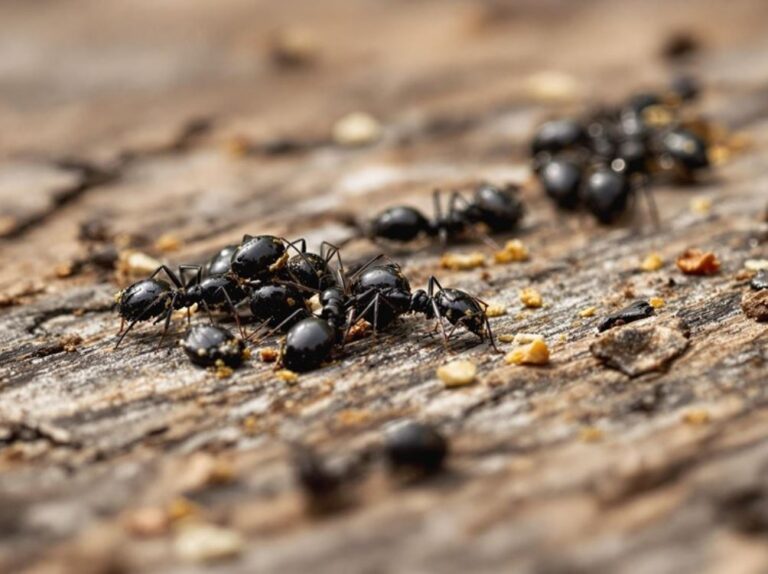
1. Carpenter Ants
These are the most destructive wall-dwelling ants. They don’t eat wood but excavate it to create smooth, clean galleries for their nests. Over time, this can compromise structural integrity.
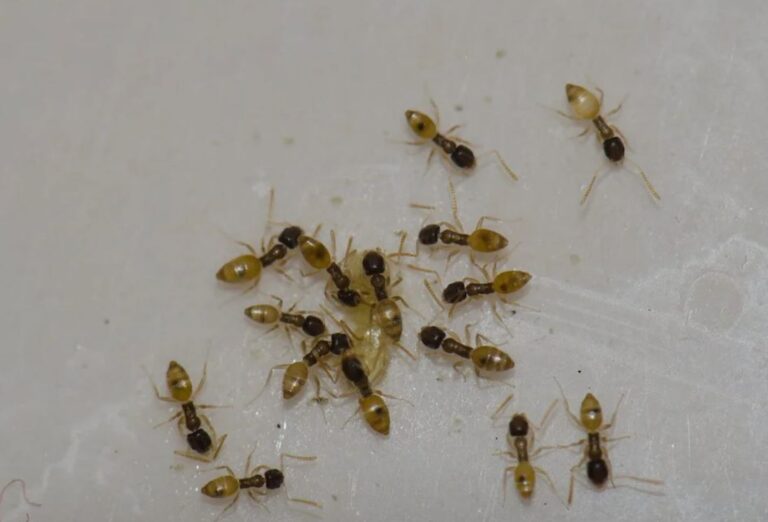
2. Odorous House Ants
These small ants nest almost anywhere, including wall voids. They are attracted to sweets and are known for the rotten coconut smell they emit when crushed. While they don’t cause structural damage, their large colony sizes can be a significant nuisance.
Less common, but possible: Pavement ants, Pharaoh ants, and Argentine ants may also nest in walls under the right conditions.
Comparison Table: Carpenter Ants vs. Odorous House Ants in Walls
| Feature | Carpenter Ants | Odorous House Ants |
|---|---|---|
| Primary Attraction | Damp, decaying wood (from leaks or condensation). | Food sources, especially sweets; moisture. |
| Damage Caused | Structural. Excavate wood to create nests, weakening timbers and framing. | No structural damage. Contamination nuisance only. |
| Signs in Walls | Rustling sounds (at night), frass (sawdust-like debris) falling from cracks, bulging walls. | Visible foraging trails indoors, smell when crushed, few visible nest signs. |
| Typical Nest Location | Hollow doors, wall voids, insulation, foam paneling, especially near water leaks. | Wall voids near heat sources, under floors, throughout cavity spaces. |
| Size & Color | Large (1/4″ to 1/2″), usually black, sometimes red/black. | Small (1/8″), dark brown to black. |
How to Tell if Ants Are Living in Your Walls: 7 Key Signs
Detecting ants in your walls requires keen observation. Look for these telltale indicators:
- Sightings of Foraging Ants: Consistent trails of ants, especially appearing from baseboards, electrical outlets, or cracks in trim. Scouts are often seen alone.
- Rustling Sounds: In quiet moments (often at night), listen for a faint rustling or crinkling sound coming from inside walls. This is more common with larger ants like Carpenter ants.
- Frass (Debris): For Carpenter ants, look for piles of frass—a material resembling fine sawdust or coarse coffee grounds—kicked out of their galleries. Finding this near baseboards or on windowsills is a major red flag.
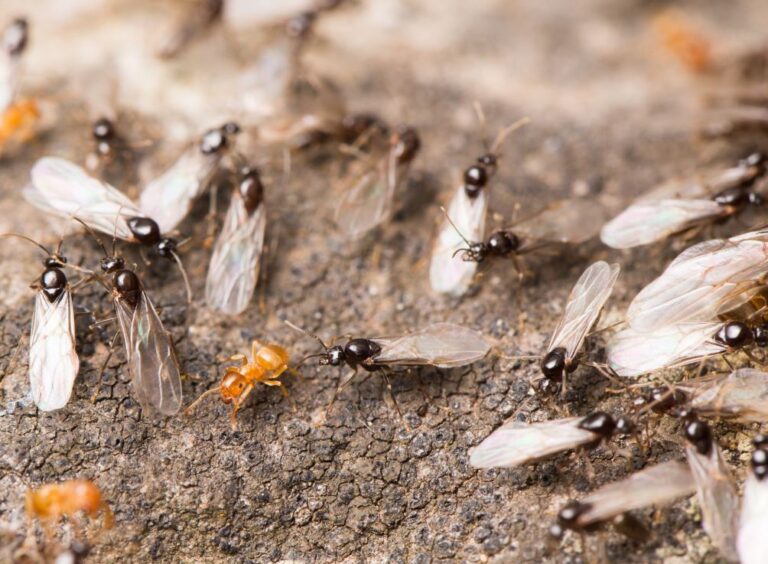
- Swarmers (Reproductives): The appearance of winged ants (swarmers) indoors, particularly emerging from walls, is a sure sign of an established interior colony.
- Hollow-Sounding Wood: Tap on walls or wood trim. If it sounds hollow or papery in spots where it shouldn’t, Carpenter ants may have excavated it.
- Mysterious Dirt Trails: Soil or debris along cracks or seams in walls can indicate ant activity.
- Ants from Electrical Outlets: Seeing ants crawl from around or inside electrical outlets is a clear sign they are using wall voids as highways.
The Dangers of Ants in Walls: Beyond Nuisance
- Structural Damage (Carpenter Ants): This is the most serious risk. Over years, extensive tunneling can weaken load-bearing beams, joists, and wall studs, leading to costly repairs.
- Electrical Hazards: Ants are attracted to the warmth and magnetism of electrical wiring. They can chew through insulation, causing short circuits, power outages, and even creating a fire risk.
- Contamination: Ants travel through unsanitary areas and then over your food and surfaces, potentially spreading bacteria like Salmonella and E. coli.
- Persistent Infestations: A colony inside your walls is a constant source of ants. Surface sprays only kill foragers, leaving the heart of the colony intact to grow and produce more ants.
- Decreased Property Value: A known, active infestation can be a significant issue during home inspections and appraisals.
How to Get Rid of Ants in Your Walls: A Strategic Approach
Eliminating a wall nest is challenging because you can’t see or directly access it. The key is to use strategies that get the ants to eliminate their own colony.
1. Baiting is Your Most Effective Tool
Ant baits work by using attractive food mixed with a slow-acting insecticide. Worker ants carry the bait back to the hidden nest, sharing it with the queen and larvae, ultimately killing the entire colony.
- Gel Baits: Excellent for placement in cracks, crevices, and along suspected trails.
- Station Baits: Pre-filled plastic stations are safer for homes with kids/pets. Place them near entry points and trails.
- KEY TIP: Do not use repellent sprays while baiting. You must let the ants freely travel to and from the bait for it to work.
2. Locate and Seal Entry Points
Caulk cracks in foundation, around windows, and where utility lines enter. This prevents new ants from entering, but remember, it won’t stop an already-established interior colony.
3. Address Moisture Problems
Fix leaky pipes, ensure downspouts direct water away from the foundation, and improve ventilation in crawl spaces and attics. Removing moisture removes a primary attractant, especially for Carpenter ants.
4. Know When to Call a Professional
If the infestation is large, involves Carpenter ants, or DIY methods fail after 2-3 weeks, call a licensed pest control professional. They have:
- Tools to better locate nests (e.g., thermal cameras, moisture meters).
- Access to more potent, commercial-grade baits and products.
- The expertise to drill and treat directly into wall voids (if necessary) and provide a warranty.
Prevention: Keeping Ants Out of Your Walls
An ounce of prevention is worth a pound of cure. Make your home and walls less inviting:
- Store food in airtight containers.
- Wipe up spills and crumbs immediately.
- Take out trash regularly and use bins with tight lids.
- Trim vegetation so branches and shrubs don’t touch your house.
- Seal cracks and gaps on the exterior of your home with silicone caulk.
- Ensure proper drainage around your foundation to keep soil dry.
- Store firewood away from the house and elevated off the ground.
Conclusion: Don’t Let Them Settle In
Ants can and do live in walls, transforming a minor pest issue into a major hidden infestation. The key is early detection and strategic action. By learning the signs—like frass, rustling sounds, and persistent trails—you can identify a wall colony before significant damage occurs. Remember, for these hidden invaders, baits are your best friend, and sometimes, the expert eyes of a professional are the smartest investment to reclaim the integrity of your home. Stay vigilant, address moisture, and seal up your home to ensure your walls remain a stronghold for your family, not an ant metropolis.